2026 Top Airless Bottle Packaging Trends Buyers Need to Know
In the evolving landscape of cosmetics and skincare, Airless Bottle Packaging is gaining significant traction. The market is projected to reach $2.5 billion by 2026, according to industry reports. This packaging method, known for minimizing product oxidation and contamination, offers a reliable solution for brands seeking quality preservation.
Recent studies indicate that nearly 75% of consumers prefer products in airless containers. They associate these with higher quality and longer shelf life. The demand for sustainability also influences trends. Brands are increasingly adopting eco-friendly materials to appeal to environmentally conscious consumers. However, not all airless bottles are created equal.
Some designs fail to deliver on their promises, leading to product waste and dissatisfaction. Consumers report frustrations with pumps that clog or fail to dispense effectively. As the market grows, it’s crucial for buyers to choose wisely. Understanding the nuances of Airless Bottle Packaging will empower brands to make informed decisions that enhance customer satisfaction while maintaining product integrity.
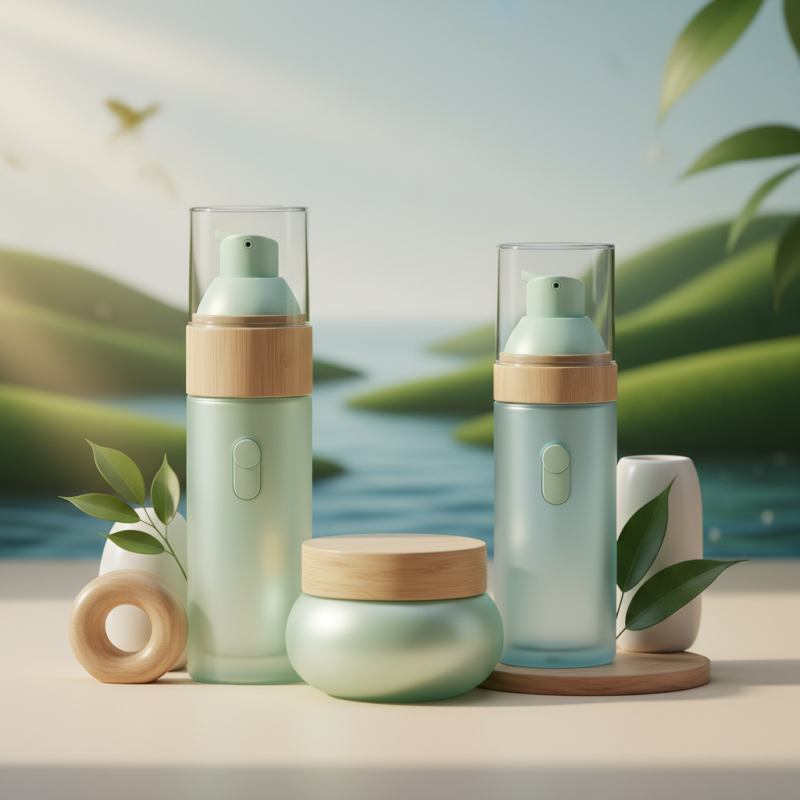
Understanding Airless Bottle Technology and Its Benefits
Airless bottle technology has gained popularity due to its numerous advantages. These bottles prevent air from entering, which protects the product inside. According to a 2022 market report, 40% of brands now use airless technology to enhance product stability. This shift has led to improved shelf life for creams, serums, and other cosmetic products. Brands are noticing less oxidation, a crucial factor in maintaining product efficacy.
Another benefit of airless bottles is the dispensing mechanism. These bottles can deliver precise doses, minimizing waste. The design often allows for complete evacuation of the contents. A consumer study revealed that 75% of users prefer packaging that ensures they can use every last drop. This level of usability impacts customer satisfaction and brand loyalty significantly.
However, some challenges still exist. The initial cost of airless packaging is higher than traditional options. Brands must weigh these costs against potential long-term benefits. The technology requires additional research to ensure compatibility with various formulations. As the industry adapts, these factors will play a vital role in the future of airless bottle packaging.
Key Materials Used in 2026 Airless Bottle Packaging Innovations
In 2026, airless bottle packaging is evolving with innovative materials that enhance functionality and sustainability. One key material gaining traction is recycled plastics. Manufacturers are looking for ways to incorporate these materials while maintaining quality. This shift reflects a growing demand for eco-friendly options in personal care and cosmetics. These bottles not only reduce waste but also attract environmentally conscious consumers.
Glass continues to be a favored choice for airless bottles. Its elegance and recyclability make it attractive. However, glass has its challenges. It can be heavier and more fragile than other materials. This can lead to increased shipping costs and the risk of breakage. Yet, many brands believe the premium feel of glass is worth these downsides.
Another innovative material is bioplastics, derived from renewable sources. These materials meet sustainability goals but can be costly. While their use is increasing, there's still room for improvement in performance. Balancing cost, functionality, and sustainability is essential for future growth. Focusing on these factors will drive better airless packaging solutions in the years to come.
Sustainability Trends Driving Airless Bottle Design in 2026
In 2026, sustainability is shaping the design of airless bottles. The focus is on eco-friendly materials and efficient production processes. Brands are opting for biodegradable plastics or recycled materials. This shift helps minimize environmental impacts. However, it raises challenges in durability and cost.
Designers are also exploring how to reduce waste in packaging. Traditional pump bottles often lead to leftover product waste. Airless technology addresses this issue by dispensing every drop. Yet, achieving an effective seal without compromising the material can be tricky. This balance between innovation and practicality requires thoughtful consideration.
Another trend emerging is minimalistic design. Consumers prefer sleek, simple aesthetics that convey sustainability. However, striking a balance can be tough. Brands need to ensure their designs are attractive without unnecessary embellishments. As the market evolves, it is crucial for manufacturers to remain adaptable and open-minded about emerging sustainable practices.
Consumer Preferences Shaping the Future of Airless Bottle Packaging
The airless bottle packaging industry is evolving rapidly. Consumer preferences play a crucial role in this transformation. According to a recent report by Smithers Pira, the demand for airless packaging is projected to grow by 15% annually. This shift reflects a strong consumer interest in high-quality, sustainable products.
One key attraction of airless bottles is their ability to preserve product integrity. They minimize exposure to air, which prevents oxidation and extends shelf life. A survey by Mintel shows that 70% of consumers prioritize product freshness. Therefore, brands are increasingly adopting airless designs to meet these expectations. However, manufacturers face challenges in balancing cost with quality. Developing innovative materials can translate to higher production costs.
Sustainability is another critical factor driving change. Research indicates that 65% of consumers prefer eco-friendly packaging. Companies are now experimenting with biodegradable materials and recyclable designs. Yet, the transition isn't straightforward. Some businesses struggle to source sustainable materials without compromising performance. The industry must navigate these complexities to satisfy an informed and demanding consumer base.
Market Leaders and Emerging Brands in the Airless Bottle Sector
In recent years, the airless bottle sector has evolved significantly. Market leaders and emerging brands are reshaping product offerings. They focus on sustainability, elegance, and practical design. As consumers become more aware, brands are adapting to meet these expectations.
One notable trend is the increasing demand for eco-friendly materials. Many brands now prioritize biodegradable components. This shift not only appeals to environmentally conscious consumers, but it also positions brands as industry leaders. Emerging brands often highlight their commitment to sustainability in their marketing.
Tip: Consider using airless bottles that demonstrate your brand's values. Choose designs that reflect your product's essence. Research potential suppliers who offer innovative solutions.
Another trend is customization. Brands are now exploring personalized packaging options. This approach enhances consumer engagement and loyalty. While customization offers unique advantages, it also poses challenges. Smaller brands may struggle with production scalability.
Tip: Analyze your brand's needs before investing in customized solutions. Ensure you understand your target consumers. This knowledge can guide your packaging decisions.
