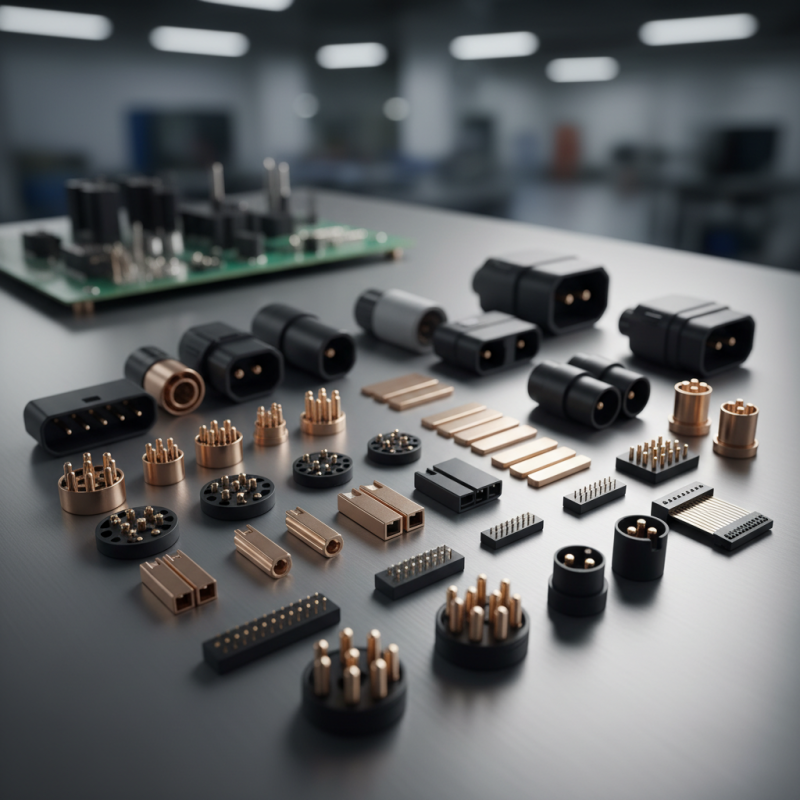
Top Battery Connector Types for Your Global Sourcing Needs?
In today's rapidly evolving technology landscape, selecting the right Battery Connector is more crucial than ever. Battery connectors facilitate power transfer, ensuring devices operate efficiently. They come in various types, each tailored to different applications and industries.
Understanding the diverse options available is vital for global sourcing needs. Choosing the appropriate battery connector can affect performance and longevity. Each type offers unique advantages, but there are challenges to navigate. For instance, ensuring compatibility with existing systems proves essential.
Moreover, sourcing quality battery connectors involves weighing cost against reliability. It's easy to overlook specifications and performance ratings. However, a hasty choice can lead to costly failures. Thus, doing thorough research and consulting experts remains vital in this decision-making process.
Overview of Battery Connectors and Their Importance in Sourcing
Battery connectors play a crucial role in electrical systems. They ensure seamless connections between batteries and devices. The right type impacts device performance and safety. According to a recent report by Markets and Markets, the global battery connector market is expected to reach $3.2 billion by 2025, driven by rising demand for electric vehicles (EVs).
Choosing the right connector requires understanding electrical specifications and environmental factors. For instance, connectors should handle high currents while resisting wear over time. The International Electrotechnical Commission (IEC) provides standards that guide manufacturers to produce reliable connectors. This guarantees safety in diverse applications, from consumer electronics to industrial machines.
**Tips:** Consider the connector's temperature range and material durability. These factors affect long-term reliability. Regularly evaluate connector performance to identify signs of wear. This proactive approach can prevent unexpected failures and costly downtime. Proper selection and maintenance are essential for minimizing risks in battery sourcing.
Common Types of Battery Connectors and Their Applications
Battery connectors play a crucial role in linking batteries to devices. Understanding the common types available is essential for effective global sourcing. Among the popular types, the JST connector stands out for its compact size and versatility. It is widely used in consumer electronics, robotics, and small battery packs. Its reliable connection ensures stable power delivery, making it a go-to option.
Another common type is the Anderson Powerpole connector. These connectors are well-known for their robust design and can handle higher currents. They are often found in larger applications such as electric vehicles and renewable energy systems. Reliability is key; however, they require proper handling to prevent wear over time.
Lastly, the XT60 connector is favored in the hobbyist community, especially for drones and RC vehicles. They provide excellent performance and are easy to connect. Yet, caution is necessary when working with higher voltages to avoid potential hazards. Choosing the right connector is vital for safety and performance, so weighing the pros and cons of each type is crucial.
Top Battery Connector Types
This chart illustrates the various types of battery connectors and their common applications. The data is based on industry usage metrics.
Factors to Consider When Selecting Battery Connectors
When selecting battery connectors, several critical factors come into play. The connector type must match the battery specifications. Consider the voltage and current ratings, as mismatched connectors can lead to failure or hazards. Material choice is also vital; connectors should resist corrosion and wear to ensure longevity. Look for robust designs that can withstand frequent connections and disconnections.
Temperature tolerance is another factor. Some connectors perform well in extreme environments, while others do not. Check the operating temperature range to ensure reliability under specific conditions. Connector size can also affect system compactness. A smaller connector might fit better in tight spaces, but ensure it does not compromise performance.
Lastly, always consider regulatory compliance. Different industries have distinct standards for safety and performance. Ignoring these can lead to serious issues. It’s crucial to evaluate connectors based on performance and the potential for real-world challenges. The choice should reflect not just immediate needs, but also future scalability and application requirements. Balancing all these factors creates a more informed decision-making process.
Global Sourcing Strategies for Battery Connector Components
When sourcing battery connector components globally, it’s crucial to understand the landscape. Different regions may offer varying standards and designs. Familiarizing yourself with local regulations can save time and resources. For instance, Europe often adheres to strict environmental guidelines, while Asia may focus more on cost efficiency.
Understanding the specific needs of your market is essential. Factors such as voltage requirements, current ratings, and environmental resistance can significantly affect your choice. Collaborating with local suppliers can bring insights into region-specific materials. Reflecting on feedback from previous sourcing efforts is vital. Assess whether past decisions met your performance standards.
Engaging with technical experts during the sourcing process enhances reliability. Thoroughly evaluate the supply chain, from manufacturing to delivery. Quality control measures must be prioritized. Asking tough questions about materials and processes helps ensure suitability. If any gaps are identified, document them for future reference and improvement.
Future Trends in Battery Connector Technology and Design
The evolution of battery connector technology is crucial for various industries. Today's connectors must support higher voltages and optimal efficiency. This shift is propelled by the growing demand for electric vehicles and renewable energy storage solutions. Companies are investing more in smarter designs. These innovations include improved thermal management and compact configurations. Smaller components often lead to higher energy density.
Future trends suggest a focus on modular designs. These designs allow for easier upgrades and maintenance. As technologies advance, connectors need to adapt. Wireless charging solutions may become more prevalent, reducing physical connector wear. However, the transition to wireless technology raises concerns about efficiency and depends heavily on the specific application.
Sustainability plays a significant role in future developments. Manufacturers aim to use eco-friendly materials in connector designs. Yet, this shift challenges engineers to balance performance and environmental impact. Striking that balance can lead to innovative yet practical solutions. Engaging in this evolution requires constant reflection on best practices in the industry.