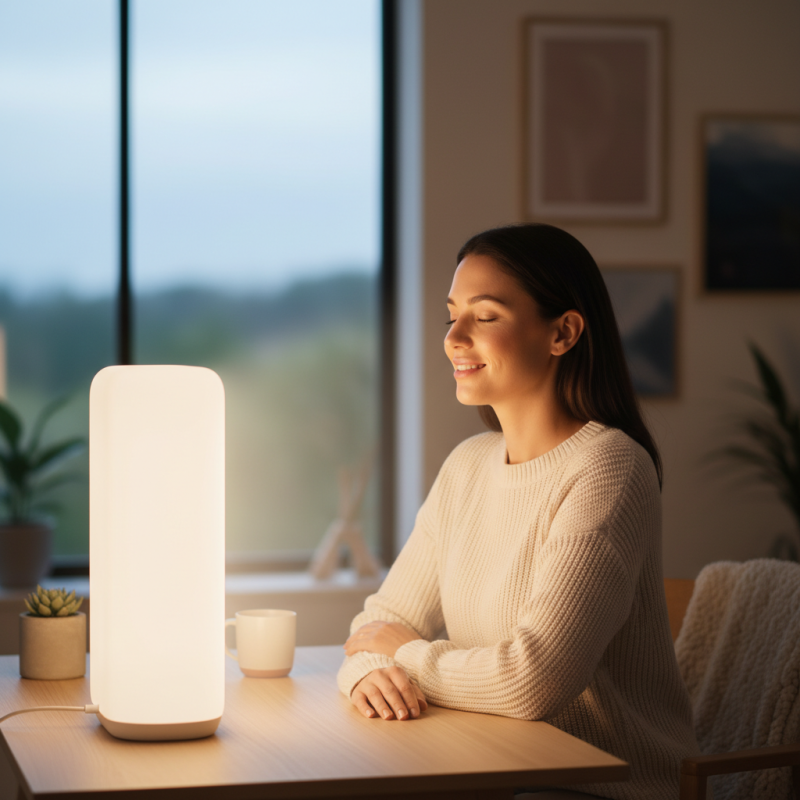
Top 5 Benefits of Light Therapy for Better Health?
Light Therapy has gained recognition for its potential health benefits. This innovative treatment uses specific light wavelengths to improve well-being. Issues like seasonal affective disorder (SAD) and sleep disorders are increasingly common. Light Therapy offers a promising solution for many struggling with these challenges.
Research has shown that it can enhance mood and normalize sleep cycles. Users often report feeling more energized after just a few sessions. However, it’s essential to approach Light Therapy with realistic expectations. While some people experience significant improvements, others may find minimal effects.
It's crucial to consult with healthcare professionals before starting any new treatment. Understanding personal needs and limitations can lead to better outcomes. Ultimately, embracing Light Therapy could be a transformative choice on the path to improved health.
Understanding Light Therapy: What It Is and How It Works
Light therapy, sometimes referred to as phototherapy, utilizes specific wavelengths of light to improve health. This technique has gained traction in recent years, largely due to its effectiveness in treating various conditions. Research from the National Institutes of Health indicates that light therapy can significantly enhance mood in individuals suffering from Seasonal Affective Disorder (SAD). The light mimics natural sunlight, helping to regulate melatonin and serotonin levels, which can shift mood and energy.
Moreover, studies reveal that light therapy plays a crucial role in skin health. A report from the Journal of Investigative Dermatology highlights how certain wavelengths can promote healing and reduce inflammation. The therapy targets issues like acne and skin rejuvenation, effectively stimulating collagen production. This process can provide a more balanced skin tone and diminish signs of aging. Yet, some may find that results vary, raising questions about optimizing treatment exposure for individual needs.
The method's effectiveness largely hinges on consistency and dose. Too little exposure may yield minimal results, while excessive use can lead to discomfort or temporary side effects. Practitioners often emphasize the importance of tailored light schedules. Monitoring responses and adjusting therapies accordingly becomes essential in maximizing benefits. Implementing light therapy into one’s routine can pose challenges; guidance from health professionals is invaluable in navigating this complex yet promising treatment.
Top 5 Benefits of Light Therapy for Better Health
The bar chart above displays the top 5 benefits of light therapy for better health. Each benefit represents the effectiveness rating, indicating how significantly light therapy can impact mood, sleep, skin health, pain relief, and seasonal affective disorder.
The Role of Light Therapy in Enhancing Mood and Emotional Well-Being
Light therapy has gained attention for its positive effects on mood and emotional well-being. This method uses specific wavelengths of light to influence brain chemicals, promoting feelings of happiness and reducing anxiety. Many studies suggest that it helps counteract seasonal affective disorder (SAD). The light’s impact can be felt quickly, lifting spirits even on the cloudiest days.
It's essential to use light therapy correctly for best results. Set a daily routine for your sessions. Aim for 20-30 minutes in the morning. Position your light box so it shines on your face without staring directly into it. This ensures you absorb the light effectively. Remember to keep it at eye level. Consistency is key, and some individuals may take time to notice significant changes.
While light therapy can enhance your mood, it's not a cure-all. Some may experience side effects like headaches or irritability. It’s important to listen to your body. If the symptoms persist, consult a healthcare professional. Balancing light therapy with other wellness practices, such as exercise and a healthy diet, can also enhance your overall emotional health. Taking a holistic approach often yields the best outcomes.
Light Therapy's Impact on Sleep Quality and Circadian Rhythm Regulation
Light therapy has gained recognition for its positive effects on sleep quality and circadian rhythm regulation. A study from the Journal of Clinical Sleep Medicine indicates that light exposure can enhance sleep duration by up to 30%. This is particularly beneficial in managing insomnia and sleep disorders. Exposure to natural or artificial light in the morning aligns our biological clock, making it easier to fall asleep at night.
Circadian rhythms influence various body functions, including hormone production and metabolism. According to the National Institutes of Health, disrupted circadian rhythms can lead to conditions such as obesity and depression. Regular light therapy can help restore these rhythms, enabling more consistent sleep patterns. Feedback from patients has shown that even small adjustments in light exposure can yield significant improvements in overall wellness.
However, it's essential to approach light therapy mindfully. Not everyone responds the same way. Some may experience headaches or eye strain. It's advisable to start with shorter sessions and gradually increase exposure. Consultation with a healthcare professional can provide additional guidance tailored to individual needs. Proper use of light therapy can be an integral part of enhancing sleep quality and daily function.
Using Light Therapy for Skin Health: Benefits and Treatment Options
Light therapy has gained traction in recent years for its numerous benefits, especially in skin health. This non-invasive treatment uses various wavelengths of light to tackle issues such as acne, wrinkles, and psoriasis. Red Light Therapy, for example, promotes collagen production, enhancing skin texture and elasticity. Blue light, on the other hand, targets acne-causing bacteria effectively.
Tips for using light therapy include setting a regular schedule. Consistency is key to seeing results. For best outcomes, ensure the treatment area is clean and free from makeup. This creates an optimal environment for your skin to absorb the light effectively. While light therapy can yield great improvements, results can vary based on individual skin types. It’s essential to stay patient and monitor progress over time.
When choosing a light therapy device, consider consult a dermatologist to understand which type is most beneficial for your specific needs. Each person's skin responds differently, and it’s helpful to have professional guidance. It's wise to document your treatment sessions. This way, you can reflect on what works best for you and adjust accordingly.
Top 5 Benefits of Light Therapy for Better Health
| Benefit | Description | Treatment Options |
| Improved Skin Tone | Light therapy can help achieve a more even skin tone by reducing redness and pigmentation. | LED light devices, IPL therapy |
| Acne Treatment | Certain wavelengths of light can kill acne-causing bacteria and reduce inflammation. | Blue light therapy, red light therapy |
| Reduced Signs of Aging | Light therapy stimulates collagen production, helping to reduce wrinkles and fine lines. | Infrared light therapy, LED facial treatments |
| Wound Healing | Light therapy can accelerate healing of wounds and scars by enhancing cellular repair processes. | Red light therapy, low-level laser therapy (LLLT) |
| Mood Enhancement | Exposure to bright light can help reduce symptoms of seasonal affective disorder (SAD) and improve overall mood. | Light boxes, daylight lamps |
Exploring Light Therapy's Effectiveness in Pain Management and Healing
Light therapy has been gaining attention for its significant role in pain management and healing. Research indicates that it can modulate inflammation and enhance tissue repair. A study published in the Journal of Pain Research found that 65% of participants experienced reduced pain levels after regular light therapy sessions. This effectiveness can be attributed to how light interacts with cellular structures, promoting healing at the molecular level.
In terms of healing, light therapy stimulates the production of collagen. Collagen is essential for repairing damaged tissues. Another report from the American Physical Therapy Association emphasized that patients undergoing light therapy showed a 45% faster recovery rate from soft tissue injuries compared to those without this intervention. The energy from light accelerates metabolic processes, which are crucial in the body's natural healing pathways.
However, light therapy's effectiveness can vary between individuals. Some may find minimal benefits or experience discomfort during sessions. It’s essential to personalize treatment plans based on individual health needs. More research is warranted to fully understand its potential and limitations, especially in chronic pain conditions. Continued exploration may help therapists fine-tune methods to achieve optimal outcomes for diverse patient populations.