Top 5 Benefits of Prefab Container Houses You Should Know?

Today, the construction industry is witnessing a shift towards sustainable solutions. One innovative approach is the use of Prefab Container Houses. According to a recent market study, the modular construction market is expected to grow by 6.2% annually. This trend indicates a rising interest in alternatives to traditional housing.

Prefab Container Houses offer remarkable benefits. They are cost-effective, reducing waste and construction time significantly. A study showed that modular homes can be built 40% faster than conventional houses. The eco-friendly nature of these homes reduces their carbon footprint, appealing to environmentally conscious consumers.

However, some drawbacks exist, such as limited customization options. Additionally, depending on location, finding appropriate land may pose challenges. Still, the advantages of Prefab Container Houses are hard to overlook. They represent a forward-thinking solution in an evolving housing market, addressing both affordability and sustainability.
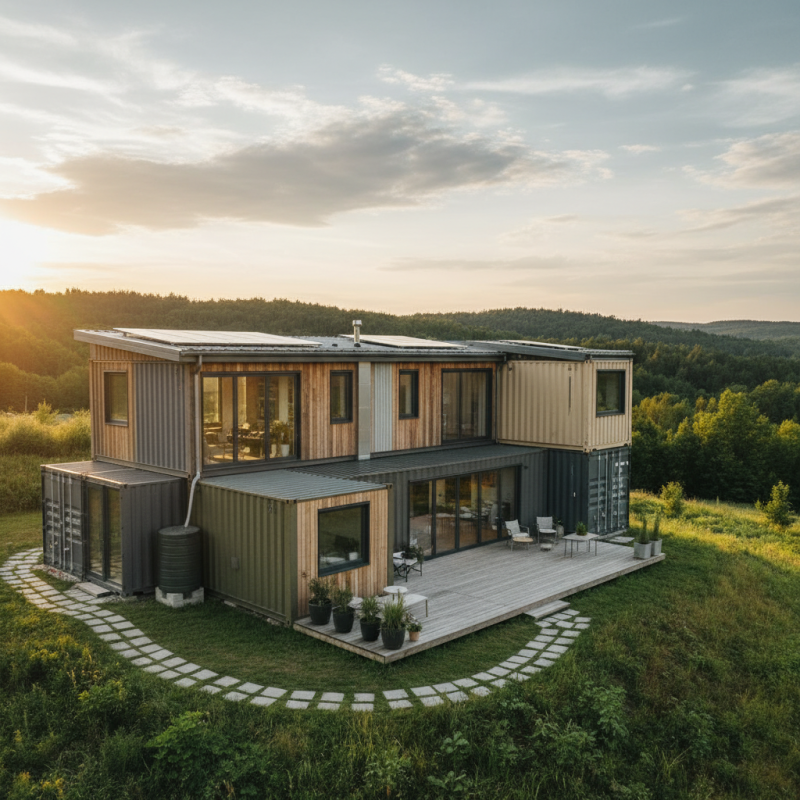
Top 5 Benefits of Prefab Container Houses You Should Know?

Advantages of Prefab Container Houses for Affordable Housing

Prefab container houses are transforming affordable housing solutions globally. They provide an innovative approach to meet growing housing demands. Research shows that these homes can be constructed at 30% less than traditional houses. This makes them a viable option for many families seeking affordable living.

Cost efficiency is a key advantage. With the average construction cost rising by 5% annually, prefab homes offer immediate relief. A report from the National Association of Home Builders highlights that over 50% of buyers prefer budget-friendly options. Additionally, the adaptability of container homes allows for unique designs that suit various lifestyles.

**Tip:** When considering a prefab container home, evaluate local zoning laws. Some areas have strict regulations that could affect your project.

Prefab homes are also sustainable. They often use recycled materials, reducing environmental impact. Approximately 25% of new home constructions are in urban areas where land is limited. Prefab solutions can be the answer, providing efficient use of space while becoming a part of the city's fabric.

**Tip:** Collaborate with architects experienced in prefab designs. Their insights will help maximize your space and functionality.

However, challenges exist. Some companies face delays in delivery and construction. It's crucial to choose reliable suppliers and understand potential pitfalls before embarking on this journey.

Design Flexibility: Customization Options for Container Homes

Container homes are gaining popularity due to their design flexibility. One of the key attractions is the ability to customize these structures. Homeowners can choose the layout, color, and finishes that suit their taste. According to a recent survey, about 72% of container home owners report satisfaction with their customization options.

The versatility of container homes allows for innovative designs. For instance, different modules can be combined to create unique spaces. Some designs incorporate large windows for natural light, while others may feature outdoor patios. A 2022 industry report indicated that about 60% of container home projects included significant custom features.

However, the customization process can present challenges. Homeowners often encounter issues with zoning laws and local regulations. Understanding these legalities is crucial before making alterations. Resources are available for guidance, but navigating the rules can be complex. Many find themselves reconsidering their design plans mid-project, leading to delays. This reflects the need for thorough research and planning in the customization phase.

Top 5 Benefits of Prefab Container Houses You Should Know?

Benefit Description Customization Options Environmental Impact Cost Efficiency
Design Flexibility Container homes can be easily customized in layout and design to suit individual needs. Multiple sizes, colors, and finishes available; can be stacked or combined. Generally made from recycled materials, reducing waste in construction. Lower construction costs and faster building times compared to traditional homes.
Time Efficiency Prefab construction reduces overall build time, ideal for urgent housing needs. Pre-designed models available for quicker turnarounds. Streamlined manufacturing process leads to less environmental disruption. Reduced labor costs as a result of quicker assembly.
Mobility Container homes can be relocated easily without significant demolition. Can be designed as a modular system for easy transport. Less impact on traditional land use since they can be placed in various environments. Less investment in permanent land development needed.
Durability Built to withstand harsh weather conditions, providing long-lasting shelter. Interior layouts can be reinforced to enhance structural integrity. Frames can be insulated to reduce energy consumption. Maintenance costs are generally lower due to durable materials.
Sustainability Using recycled shipping containers minimizes the need for new materials. Can include solar panels, rainwater collection, and eco-friendly building materials. Promotes sustainable living with energy-efficient designs. Lower energy bills due to efficient designs and renewable energy options.

Sustainability: Eco-Friendly Benefits of Using Shipping Containers

The rise of prefab container houses brings notable eco-friendly benefits. Shipping containers are repurposed materials. They reduce the need for new resources. This helps lower the overall environmental impact. Each container reused means less waste in landfills.

These homes can be built with sustainable practices. They can be fitted with solar panels and rainwater collection systems. This setup promotes energy efficiency and reduces utility costs. However, there are still questions about materials used for insulation or interior finishes. Not all choices are eco-friendly, and this needs attention.

Choosing container houses encourages a shift in thinking. It urges us to consider alternative living options. However, quality and design vary greatly in the market. While many containers are durable, some might require frequent repairs. This could deter potential eco-conscious buyers. We must weigh these factors carefully. The movement is promising, yet it’s not without its imperfections.

Quick Construction: Time Efficiency in Building Container Houses

Quick construction is one of the standout benefits of prefab container houses. The energy and time spent on traditional building can be overwhelming. Container houses can be ready for use in a matter of weeks. This efficiency is especially appealing for those with tight deadlines. You can focus on other important tasks while your new home takes shape quickly.

Building with containers requires less material and labor. This can lead to fewer delays in the construction phase. Even unexpected weather changes have a reduced impact on the timeline. Yet, it’s essential to consider the limitations. Rushing the process might lead to quality control issues. Careful planning ensures that time efficiency does not compromise stability. Addressing these factors early on can make a significant difference.

Moreover, modular construction allows for flexibility in design and space. You can customize your container home according to your needs. However, finding the right balance between time and creativity can be challenging. It’s easy to get caught up in the excitement and overlook important details. A careful approach allows you to enjoy both quick construction and personalized design.

Top 5 Benefits of Prefab Container Houses

The chart below illustrates the top five benefits of prefab container houses, highlighting aspects such as quick construction time, cost efficiency, sustainability, mobility, and design flexibility.

Mobility and Versatility: The Benefits of Transportable Living Spaces

Prefab container houses offer remarkable mobility and versatility, making them an appealing choice for many. These living spaces can easily be transported from one location to another. This flexibility means they can adapt to various environments, such as urban areas or rural settings. Container homes can be situated near beaches, in forests, or even on mountain tops. The possibilities are endless.

Designing a container home allows for creative expression. You can customize the interior to suit your lifestyle. Open layouts often maximize space, while large windows enhance light. However, some may struggle with limited square footage. Balancing aesthetics and functionality can be challenging. It's essential to ensure that every inch serves a purpose. With careful planning, these homes can meet individual needs while also providing a unique living experience.

Article Source: