Best Desizing Enzyme for Effective Fabric Preparation?
The textile industry is under constant pressure to improve efficiency and reduce costs. Fabric preparation is a crucial step that influences the overall quality of textile products. A significant aspect of this process is the use of effective desizing enzymes. These enzymes aid in removing sizing agents, which are essential for maintaining fabric stability during weaving. According to industry reports, the global demand for enzymes in textile applications is projected to exceed USD 650 million by 2025.
desizing enzymes play a vital role in ensuring optimal fabric preparation. They help improve the dye uptake and enhance fabric softness. However, not all desizing enzymes provide the same results. Choosing the right enzyme can be challenging, as various factors affect their effectiveness. For instance, the type of fiber and sizing material can influence enzyme performance.
Many manufacturers report inconsistent results when using desizing enzymes. This highlights the need for more research to identify the best options available. Moreover, the sustainability of these enzymes is under scrutiny. As the industry moves towards eco-friendly practices, selecting the right desizing enzyme can impact both production costs and environmental responsibility.
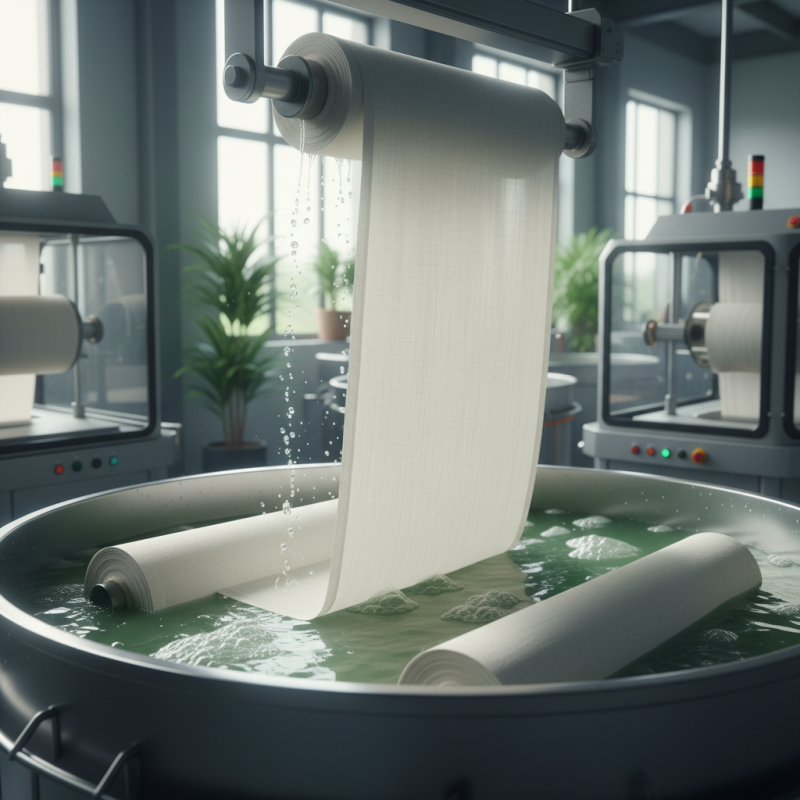
Overview of Desizing Enzymes in Fabric Preparation
Desizing enzymes play a crucial role in fabric preparation. They are essential for removing sizing agents from textiles. These agents can hinder the dyeing and finishing processes. According to industry reports, around 20-30% of textile production involves sizing. Yet, many manufacturers still overlook the efficiency of desizing.
There are various types of desizing enzymes available. Amylases are predominantly used due to their effectiveness in breaking down starch-based sizes. Research shows that utilizing proper enzymes can enhance fabric absorbency by up to 50%. However, the choice of enzyme is often based on cost rather than performance. This approach can lead to suboptimal results and wasted resources.
Moreover, the process of desizing can vary significantly in effectiveness. Some methods may leave residues, affecting subsequent treatments. A recent study highlighted that poorly chosen enzymes caused up to a 15% increase in dyeing time. It’s vital to evaluate enzyme performance continuously. Improving desizing methods can reduce waste and enhance overall fabric quality, but many still stick to outdated practices. There’s a clear need for better education and resources regarding enzyme selection.
Types of Desizing Enzymes and Their Characteristics
When it comes to desizing enzymes, understanding their types is crucial for fabric preparation. There are primarily two categories: amylases and cellulases. Amylases target starch sizes used in weaving fabrics. They break down the starch into sugars, making it easier to rinse away. This is especially effective for cotton fabrics, which often use starch in the sizing process.
Cellulases, on the other hand, act on the cellulose fibers. They help in removing residual sizing agents, enhancing the textile's softness and overall quality. The choice between these enzymes can influence the fabric's final appearance. An improper selection might lead to a washed-out look or reduced durability. The precise pH and temperature for these enzymes are vital, but many times, manufacturers overlook them.
Finding the best enzyme is not just about efficacy; it involves balancing performance and environmental impact. Sometimes, enzymes may not work as intended under standard conditions. Investigating enzyme inactivity can lead to significant insights into the textile industry’s ongoing challenges. Effective communication with suppliers about enzyme performance is essential, yet often neglected. This exchange can help streamline processes and improve outcomes.
Best Desizing Enzyme for Effective Fabric Preparation
This chart illustrates the efficiency percentages of various desizing enzymes used in fabric preparation. Amylase exhibits the highest effectiveness, followed by Pectinase, Cellulase, and Protease.
Factors Affecting the Efficacy of Desizing Enzymes
When selecting a desizing enzyme, various factors influence its effectiveness. The type of fabric significantly impacts enzyme performance. For instance, cotton and synthetic fabrics may require different enzyme formulations. The fabric's initial conditions, such as moisture content and prior treatments, also matter. If the fabric is too soiled or poorly prepared, the enzyme may struggle to work efficiently.
Temperature plays a crucial role in enzyme activity. Many enzymes thrive at specific ranges. An environment that is too hot or too cold can hinder their performance. Furthermore, pH levels are another key element. Each enzyme has an optimal pH where it performs best. Deviating from this can reduce effectiveness.
**Tips:** Keep an eye on the fabric’s condition before application. A proper pre-treatment can enhance enzyme activity. Also, regularly check your temperature and pH levels. Small adjustments can lead to significant improvements. Failure to monitor these factors may result in subpar desizing efforts. Always revisit your process and refine it for better results.
Best Desizing Enzyme for Effective Fabric Preparation
| Enzyme Type | Source | Optimal pH | Temperature Range (°C) | Dissolving Time (min) | Efficacy (%) | Notes |
| Alpha-Amylase | Bacterial | 6.0 - 7.0 | 50 - 70 | 30 | 95 | Widely used for starch removal. |
| Pectolytic Enzyme | Fungal | 4.0 - 5.5 | 40 - 60 | 25 | 98 | Effective for cotton fabrics. |
| Cellulase | Bacterial | 5.5 - 7.5 | 45 - 65 | 20 | 90 | Reduces pilling and enhances texture. |
| Laccase | Fungal | 4.5 - 5.5 | 30 - 50 | 15 | 85 | Works well with dyes. |
Evaluation of Best Practices for Using Desizing Enzymes
Desizing enzymes play a crucial role in fabric preparation, particularly in the textile industry. Proper evaluation of best practices can enhance their effectiveness. Studies suggest that conventional methods may leave behind residual starch, affecting dye uptake and fabric quality. In fact, approximately 30% of fabrics can show uneven coloration due to improper desizing.
Tips: Always conduct tests on fabric samples before full-scale application. This step can prevent costly mistakes and ensure optimal results.
Different types of enzymes yield varying effectiveness. Alpha-amylase and protease enzymes are commonly used. Research indicates that alpha-amylase can remove starches efficiently, achieving up to 90% desizing in some trials. However, the temperature and pH levels must be monitored closely for best results.
Tips: Monitor enzyme activity regularly during use. Testing water quality and enzyme concentrations can help maintain desired performance levels.
While innovative, the reliance on enzymes poses challenges. Not all fabrics respond uniformly to desizing enzymes. Some may require tailored solutions or an adjustment in concentration. Understanding these nuances is paramount for consistent quality.
Comparative Analysis of Popular Desizing Enzymes on the Market
In the textile industry, desizing enzymes play a crucial role in preparing fabrics for dyeing and finishing. A comparative analysis of current market offerings shows a variety of enzymes, each with unique properties. Alpha-amylase and cellulase are among the most popular choices for efficient starch removal. According to a 2022 industry report, over 50% of textile manufacturers prefer these enzymes for their effectiveness and speed.
An essential aspect to consider is the efficiency of these enzymes under different conditions. Factors like temperature and pH significantly impact their performance. Some studies suggest that while enzymatic desizing is effective, not all enzymes perform equally well on all fabric types. This inconsistency can lead to varying results, requiring manufacturers to exercise caution in their choices. Additionally, the enzyme's ability to minimize fabric damage is crucial. Research indicates that some enzymes can leave residual starch, which may affect subsequent dyeing processes.
Market trends also indicate an increasing demand for eco-friendly options. While many enzymes are biodegradable, their production and use may still have environmental implications. An industry report from 2021 highlighted that many manufacturers are exploring alternatives. However, balancing cost and environmental responsibility poses challenges. In this context, careful evaluation and selection of desizing enzymes remain essential for effective fabric preparation.
