10 Best Industrial Tool Bags for Professionals?
A dependable Industrial Tool Bag does more than carry equipment. It protects expensive tools, improves access, and reduces wasted movement on demanding jobs. Professionals often work in cramped plant rooms, dusty workshops, and outdoor sites where weak fabric quickly becomes a problem. A torn handle can interrupt an entire shift.
Mike Holmes, a respected Canadian contractor and renovation expert, has often said, “The right tool makes all the difference.” The same principle applies to the bag holding those tools. A strong design should balance capacity, comfort, weather resistance, and quick access. Heavy-duty stitching matters. So does a reinforced base. Small details matter.
This guide examines 10 Industrial Tool Bag options for electricians, mechanics, technicians, installers, and maintenance crews. Each choice is considered through practical factors, including material strength, pocket layout, zipper quality, shoulder support, and stability when fully loaded. We also consider how the bags behave after repeated handling, not just how attractive they look online.
No bag wins every job. That is worth admitting. A compact pouch may suit service calls but fail during large installations. A wide-open tote may improve visibility but strain one shoulder. Some models also advertise waterproof protection without offering fully sealed construction. Our comparisons may not capture every workplace condition, and real users can reach different conclusions. Still, the shortlist aims to provide clear, experience-based guidance for professionals who need reliable storage, safer transport, and faster access throughout the working day.
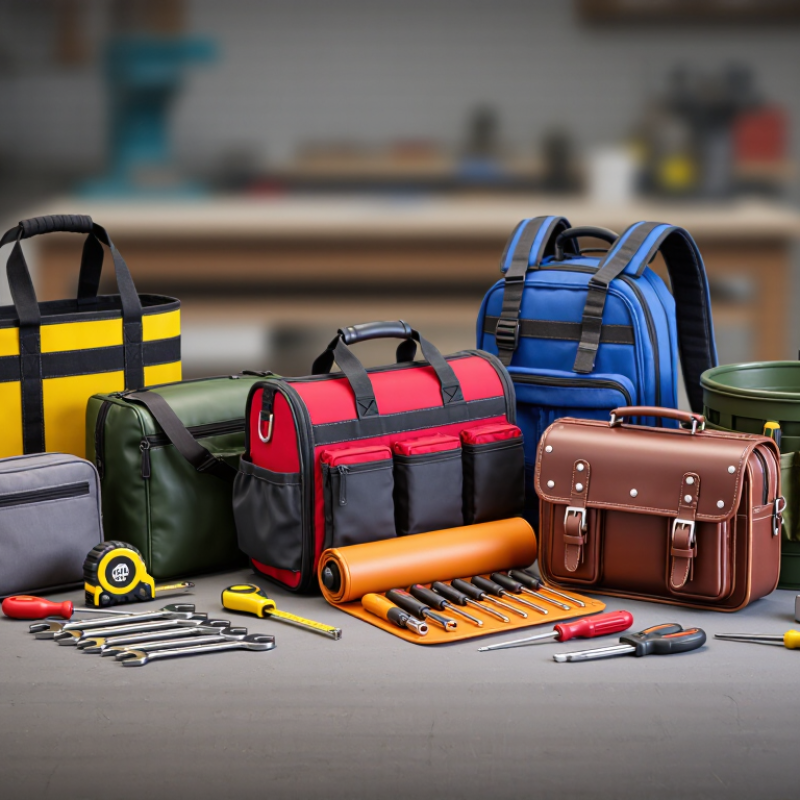
What Defines a Professional-Grade Industrial Tool Bag
A professional-grade industrial tool bag is more than a large container with heavy stitching.
In daily field work, it must protect tools, control weight, and survive repeated handling. I look for abrasion-resistant fabric, reinforced corners, and strong seams around every load-bearing handle. A rigid base matters when the bag sits on wet concrete or uneven flooring. It keeps the contents above dirt and helps the bag stand open. Good design also prevents small items from disappearing beneath larger equipment. That sounds simple, but many bags overlook it.
Capacity should match the job, not personal optimism. A bag packed until its zipper strains becomes slow, unsafe, and awkward to carry. Separate pockets should hold fasteners, meters, blades, and delicate instruments without allowing contact damage. Padded sections are useful, although excessive padding can steal valuable space.
I prefer balanced compartments and a shoulder strap with a broad, non-slip pad. During long site visits, this reduces pressure on one side of the body.
Water resistance helps, but it is not the same as waterproof protection.
Professional judgment also includes maintenance. Dust and metal filings collect in seams, pockets, and zipper tracks. A washable lining and accessible corners make inspection easier.
I once chose a bag with excellent capacity but poor balance; my wrist noticed before my checklist did. That mistake changed my testing routine. I now load typical tools, lift the bag, open every pocket, and inspect the base before buying.
No bag is perfect. Durability, organization, comfort, and repairability must be judged against the actual working environment.
Key Features to Compare Before Choosing a Tool Bag
10 Best Industrial Tool Bags for Professionals
Key Features to Compare Before Choosing a Tool Bag
A professional tool bag should match the worksite, not just look rugged. Compare its capacity with your daily tool list, including meters, drivers, fasteners, and spare batteries. Too much empty space causes tools to shift. Too little space strains the seams and slows access. Fit matters.
Inspect the fabric denier, stitching, zipper quality, and reinforced stress points. A rigid, water-resistant base keeps the bag stable on concrete and protects tools from damp floors. However, “water-resistant” does not mean waterproof. I once trusted a sealed-looking bag during heavy rain, and moisture still reached the lower compartment. That mistake changed how I judge closure design.
Check the handle padding and shoulder strap adjustment with a realistic load. A comfortable bag can still become painful after several hours on stairs or ladders. Look for wide openings, bright interior lining, and separate pockets for sharp tools. Those details reduce searching and accidental hand injuries.
Confirm the stated load rating, then leave a practical margin below it. Manufacturers may test ideal conditions, while real jobs involve dust, twisting, and uneven carrying. Tool bags with removable dividers offer flexibility, but loose dividers can waste space. Fasteners should feel secure without becoming difficult to release with gloves. Easy cleaning also matters; hardened dust can hide damaged stitching and worn hardware.
Ten Leading Industrial Tool Bags for Professional Use
Choosing among the ten leading industrial tool bags for professional use requires more than checking pocket counts. A reliable bag should survive daily loading, vehicle storage, and rough jobsite movement. Look for reinforced stitching, abrasion-resistant fabric, and handles that remain comfortable under weight. A wide opening helps professionals identify tools quickly. Separate compartments protect measuring devices, fasteners, and delicate accessories from contact damage. Water resistance is valuable, although it should not be confused with complete waterproofing.
Tips: Load heavy tools near the base and keep frequently used items within reach. Test the shoulder strap before carrying the bag for several hours. Check the zipper with gloved hands, if possible. Small details matter.
In practical use, stability often matters more than appearance. A flat-bottom design reduces tipping on concrete or uneven flooring. Metal feet can limit fabric contact with oil, dust, and damp surfaces. Ventilated sections may reduce trapped moisture after outdoor work. However, extra pockets can add weight and encourage overpacking. That trade-off is easy to overlook. Measure your everyday tool set before choosing capacity, rather than selecting the largest model available. Professional evaluations should include stitching strength, balance, comfort, and access speed. No bag performs perfectly in every trade. A design that suits electrical maintenance may feel awkward for mechanical repair. Personal testing remains important, because published specifications cannot show every real working condition.
10 Best Industrial Tool Bags for Professionals? - Ten Leading Industrial Tool Bags for Professional Use
| Rank | Tool Bag Type | Approx. Capacity | Approx. Empty Weight | Main Material | Pocket Count | Load Rating | Carry System | Closure | Best Professional Use |
|---|---|---|---|---|---|---|---|---|---|
| 1 | Structured Open-Top Tote | 18–24 L | 1.3–1.8 kg | 600D polyester with reinforced base | 20–30 | 15–20 kg | Padded hand grips and shoulder strap | Open top | General maintenance and service calls |
| 2 | Wide-Mouth Zippered Duffel | 30–40 L | 1.5–2.2 kg | Heavy-duty polyester or nylon | 12–20 | 18–25 kg | Dual handles and detachable shoulder strap | Full-length zipper | Large hand-tool and power-tool kits |
| 3 | Rolling Tool Bag | 35–50 L | 3.5–5.5 kg | Ballistic nylon with molded base | 15–25 | 20–30 kg | Telescoping handle and wheels | Zippered main compartment | Frequent travel between job sites |
| 4 | Backpack Tool Bag | 25–35 L | 2.0–3.0 kg | 600D polyester with padded panels | 25–40 | 12–18 kg | Padded shoulder straps and back panel | Zippered compartments | Technicians working on stairs or ladders |
| 5 | Hard-Base Tool Tote | 20–30 L | 1.8–2.8 kg | 600D fabric with waterproof polymer base | 18–28 | 15–22 kg | Rigid handles and shoulder strap | Open top with central cover | Wet, dusty, or uneven work environments |
| 6 | Compact Electrician Tool Bag | 12–18 L | 0.9–1.5 kg | Ripstop polyester with reinforced stitching | 20–35 | 8–12 kg | Handle or slim shoulder strap | Zipper or hook-and-loop flap | Meters, drivers, pliers, and connectors |
| 7 | Plumber’s Wide-Opening Bag | 22–32 L | 1.4–2.1 kg | Coated nylon or polyester | 14–24 | 15–20 kg | Padded shoulder strap and carry handles | Wide zipper opening | Pipe tools, fittings, and compact power tools |
| 8 | Modular Tool-Belt-Compatible Bag | 8–15 L | 0.7–1.3 kg | Reinforced nylon or polyester | 10–20 | 8–15 kg | Belt loops and detachable shoulder strap | Open pockets or snap flap | Short-duration repairs and elevated work |
| 9 | Water-Resistant Contractor Bag | 25–40 L | 1.6–2.5 kg | Coated fabric with sealed base | 10–18 | 18–25 kg | Reinforced handles and shoulder strap | Roll-top or zipper closure | Outdoor construction and utility maintenance |
| 10 | Small Parts Organizer Bag | 10–20 L | 0.8–1.6 kg | Polyester with transparent pockets | 25–45 | 8–15 kg | Hand carry or shoulder strap | Zippered organizer sections | Fasteners, fittings, terminals, and consumables |
Best Tool Bags for Different Trades and Work Environments
10 Best Industrial Tool Bags for Professionals
The best tool bag depends on the trade, not the biggest capacity. Electricians often need narrow compartments, insulated tool separation, and a stable opening. A padded shoulder strap helps during long service calls. Small parts should stay visible, not buried beneath cables.
Carpenters usually benefit from a wide-mouth bag with reinforced handles and exterior pockets. It should hold a tape measure, chisels, fasteners, and a compact drill without collapsing.
For plumbers and HVAC technicians, waterproof fabric and a washable base matter more. Wet floors and leaking pipes quickly expose weak stitching.
Mechanics may prefer a rolling tool bag, especially when carrying heavy sockets and diagnostic equipment across a workshop.
Construction crews need abrasion-resistant fabric, strong zippers, and a flat bottom. A dark interior looks professional but hides loose screws. Bright lining is more practical.
For maintenance workers in factories, a compact bag reduces snagging near machinery and fits inside service carts. Mobile technicians may need lockable compartments, although security features can add weight.
A good fit matters most.
In real use, I often carry too much. That mistake makes even a strong bag uncomfortable. Check the handle balance before buying, and test access with work gloves. Consider dust, rain, stairs, and vehicle storage. A bag that works perfectly indoors may fail on a muddy site. There is no universal winner, only a better match for the daily workload.
How to Select, Organize, and Maintain an Industrial Tool Bag
A professional tool bag should match the work, not merely hold the most equipment. Start with load capacity, abrasion-resistant fabric, reinforced handles, stable bases, and compartments that fit your daily tools. The U.S. Bureau of Labor Statistics reported 2.6 million nonfatal private-industry injuries and illnesses in 2023. A poorly balanced bag can add avoidable strain during repeated lifting and climbing. Choose a bag that stays comfortable when fully loaded, but test it before buying.
Organization affects speed and safety. Place frequently used tools in open outer pockets, while sharp or heavy items belong low and close to the center. Use contrasting labels for electrical testers, fasteners, and measuring tools. Keep one small section empty for temporary parts. That space matters. A 2023 occupational safety review from the National Safety Council emphasizes hazard recognition and control, and clutter can hide damaged tools or leaking materials. Inspect the bag weekly. Remove metal filings, check stitching, and replace cracked handles immediately. The International Organization for Standardization recommends documented inspection and maintenance practices across many workplace systems, yet small tool bags are often ignored. I still overpack occasionally. It feels prepared, but it slows every task. A short inventory after each shift exposes what you never used and what you forgot.