10 Best Modular Office Desks for Global Buyers

Global workplaces are changing from fixed rows into adaptable settings. The 10 Best Modular Office Desks for Global Buyers examines products built for that shift. A well-designed Modular Desk Office can support focused work, team collaboration, and future reconfiguration without replacing every workstation.

Recent research supports this direction. Gensler Research Institute’s 2024 Global Workplace Survey shows that office experience strongly influences employee effectiveness and workplace choice. JLL’s 2024 Global Workplace Report also highlights flexibility, utilization, and employee experience as major real-estate priorities. Steelcase’s Global Report on hybrid work adds an important detail: employees need spaces that support both concentration and connection. The desk is not the whole workplace. It still matters.

For international buyers, practical specifications deserve equal attention. Desk dimensions, height adjustment, cable routing, acoustic accessories, and component compatibility affect daily performance. Material declarations and recognized certifications can improve purchasing confidence. Regional voltage standards, packaging design, spare-part access, and import requirements may also change the real cost. A low factory price can become expensive after shipping and installation.

Our evaluation considers durability, ergonomic value, modular expansion, maintenance, and supplier transparency. It also considers evidence, not attractive photography alone. No desk wins everywhere. A compact bench system may suit a dense Singapore office, while a larger private workstation may fit a distributed North American team. This comparison is useful, but not perfect. Buyer priorities differ, and published market data often combines very different regions. Readers should verify local standards, warranties, and installation capacity before committing to a global order.
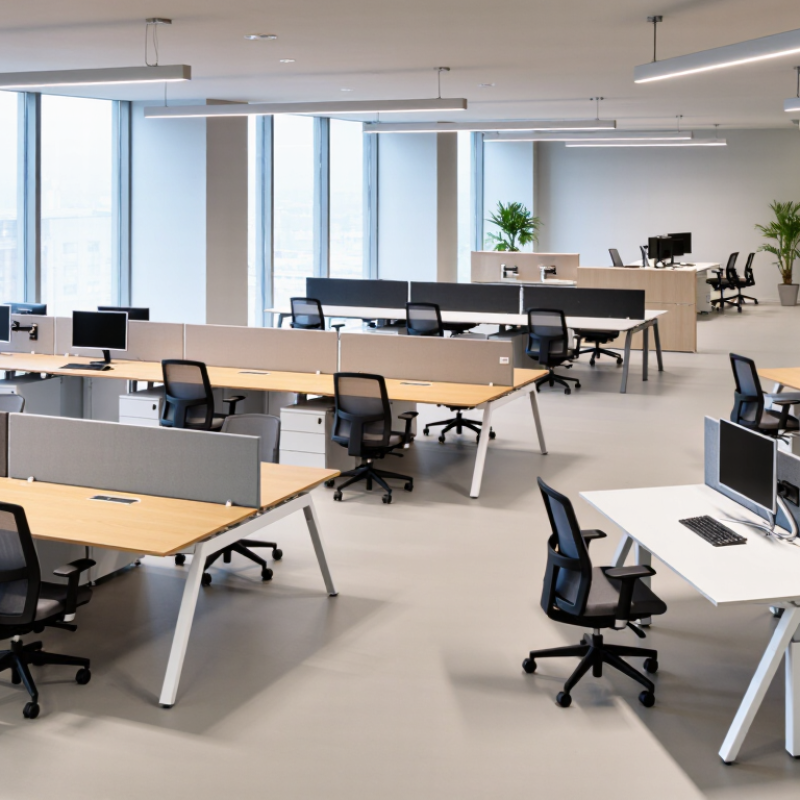
10 Best Modular Office Desks for Global Buyers

What Defines a Modular Office Desk?

A modular office desk is more than a tabletop with detachable legs. It is a configurable work system built from compatible parts. Typical components include desktops, frames, cable trays, screens, storage units, and linking panels. Buyers can rearrange these elements as teams grow or rooms change. This adaptability separates modular furniture from a fixed workstation. It also makes planning more practical for international offices with varied floor plans. Fit matters. A 120-centimeter desk may suit focused work, while shared projects need wider surfaces.

The strongest systems balance stability, adjustment, and serviceability. A dependable frame should resist movement when users type or lean. Height-adjustable options can support seated and standing work, but the lifting range and weight capacity require careful checking. Cable management should keep power leads away from feet and cleaning equipment. Removable panels make repairs easier and reduce unnecessary replacement. Materials deserve equal attention. Powder-coated steel, durable laminates, and sealed edges often handle busy offices well. Yet construction details matter more than attractive samples. Ask for load tests, assembly instructions, spare-part availability, and surface-care guidance.

Global buyers should also verify dimensions, electrical compatibility, packaging strength, and local installation support. A modular desk that fits a showroom may fail in a narrow elevator. Measure doorways and turning spaces. It sounds obvious. It is often missed. The system should allow future changes without forcing every component into one layout. Not every “modular” design achieves that; some offer only decorative rearrangement. I would question unclear connection methods and vague warranty language. A useful desk is flexible in daily use, not merely flexible in a catalogue.

Key Features Global Buyers Should Compare

10 Best Modular Office Desks for Global Buyers

Global buyers should compare more than appearance when choosing modular office desks. A strong desk system supports changing teams, different room sizes, and varied working habits. Measure the available floor space, cable routes, and user capacity before comparing models. A 120-centimeter workstation may suit focused work, while wider surfaces support dual monitors and shared documents. Stability matters too. Test the frame for movement, especially on hard floors.

Materials affect durability, maintenance, and long-term value. Powder-coated steel usually handles daily use well, while scratch-resistant laminate simplifies cleaning. Check edge finishing, load capacity, height options, and replacement-part availability. Electrical integration also deserves careful attention. Look for safe cable trays, accessible power modules, and clear installation instructions. I once reviewed a compact system that looked efficient but wasted valuable legroom. It taught me that attractive layouts can hide practical weaknesses.

Tips: Request technical drawings, packaging dimensions, and assembly videos before purchasing. Confirm whether parts can be replaced locally. Ask about surface testing and warranty conditions. Compare shipping volume, not only unit price. A lower quote may create higher installation costs. Also, check whether the desk can be reconfigured without specialized tools. No desk wins every test. Buyers should record their priorities, score each feature, and revisit weak points before approval.

10 Best Modular Office Desks for Global Buyers - Key Features Global Buyers Should Compare
No. Modular Desk Type Typical Configuration Desk Size Height Range Recommended Users Frame & Surface Materials Load Capacity Cable Management Modularity Features Best Use Case
1 Single Rectangular Workstation One desk with a straight desktop and shared-panel compatibility 1200–1600 × 600–800 mm Fixed: 720–750 mm 1 person Powder-coated steel frame; 18–25 mm melamine-faced particleboard 60–100 kg evenly distributed Rear cable port and under-desk cable tray Linkable panels, add-on modesty screens, pedestal compatibility Home offices, hot-desking areas, and compact workspaces
2 Back-to-Back Bench Desk Two facing workstations sharing a central frame or screen 1200–1600 × 1200–1600 mm overall Fixed: 720–750 mm 2 people Steel beam frame; melamine or laminate tops 80–120 kg per workstation Central cable spine, cable trays, and desktop grommets Expandable in linear runs; shared screens and storage can be added Open-plan offices requiring efficient floor utilization
3 Four-Person Cluster Desk Four workstations arranged in a square or cross configuration 2400–3200 × 2400–3200 mm overall Fixed: 720–750 mm 4 people Steel modular frame; scratch-resistant laminate desktops 80–120 kg per workstation Shared central cable column and individual cable ports Removable screens, interchangeable tops, and reconfigurable layouts Team zones and medium-sized collaborative departments
4 Electric Height-Adjustable Desk Single sit-stand workstation with two-stage or three-stage lifting columns 1200–1800 × 600–800 mm 650–1250 mm 1 person Steel lifting frame; melamine, laminate, or bamboo-style top 70–120 kg including desktop Under-desk tray, cable sleeve, and control-box cable routing Replaceable desktop, programmable handset, and compatible monitor arms Ergonomic workstations and flexible hybrid offices
5 Manual Sit-Stand Desk Crank-operated or counterbalance height-adjustable workstation 1200–1600 × 600–800 mm 680–1180 mm 1 person Powder-coated steel frame; laminated engineered-wood top 50–100 kg including desktop Basic rear cable port and optional cable basket No electrical system; easy desktop replacement and frame adjustment Projects requiring height adjustment without motorized controls
6 L-Shaped Corner Workstation Two connected work surfaces forming a 90-degree corner 1400–1800 × 1400–1800 mm Fixed: 720–750 mm 1 person Steel pedestal or leg frame; 18–25 mm laminate desktop 80–120 kg total distributed load Multiple grommets and under-surface cable tray Reversible orientation, add-on return units, and mobile pedestal support Managers, designers, analysts, and users needing more surface area
7 Mobile Folding Desk Foldable top mounted on lockable casters 1200–1600 × 600–750 mm Fixed: 720–750 mm 1–2 people depending on width Steel folding frame; laminate or melamine-faced top 50–80 kg Desktop cable port; limited under-frame cable storage Folds for storage, nests compactly, and can be rearranged quickly Training rooms, multipurpose rooms, and temporary work areas
8 Flip-Top Training Table Rectangular table with a hinged top that flips vertically 1200–1800 × 600–750 mm Fixed: 720–750 mm 2–3 people Steel legs with locking casters; durable laminate top 60–100 kg in working position Optional cable grommet and modest under-table cable basket Flip-and-nest storage, linked layouts, and quick room reconfiguration Classrooms, seminar rooms, and flexible collaboration spaces
9 Modular Conference Table Two or more rectangular modules joined into a meeting table Each module: 1200–1800 × 600–900 mm Fixed: 720–750 mm 4–12 people depending on the number of modules Steel or aluminum frame; laminate, veneer, or compact laminate surface 80–150 kg per module Center cable box, floor cable access, and integrated power module options Modules can form rectangular, boat-shaped, or U-shaped layouts Meeting rooms, boardrooms, and collaborative project areas
10 Privacy Panel Workstation System Individual or bench desks combined with acoustic or visual screens 1200–1600 × 600–800 mm per workstation Fixed: 720–750 mm 1 person per workstation Steel frame; laminate desktop; PET, fabric, or laminated privacy panels 60–100 kg per workstation Vertical cable spine, rear tray, and desktop grommet Panels, shelves, monitor arms, and storage units can be repositioned Open offices needing improved privacy and acoustic separation

Top Modular Office Desk Designs for Different Workspaces

Modular office desks work best when they respond to different workspace needs. Open-plan offices often benefit from benching desks with shared cable channels. These designs support teamwork while preserving a clear walking route. For private rooms, single desks with movable screens create focus without permanent construction. Small studios can use compact corner units or folding extensions. They make better use of limited floor space.

Meeting areas need flexible surfaces. Nesting desks can separate for training sessions or join for group work. Height-adjustable modules also suit mixed teams and support more active working habits. When selecting a desk, check frame strength, surface thickness, and load capacity. These details affect stability over years of daily use. Cable access matters too. Poor routing quickly creates visual clutter and maintenance problems.

Global buyers should measure doorways, lifts, and installation paths before ordering. Regional power systems may also require compatible cable trays and outlets. Materials should suit the local climate, especially humid or coastal environments. Powder-coated steel and sealed surfaces usually offer practical durability. Still, no modular layout is perfect. A desk may look efficient on paper but feel crowded after chairs and storage arrive. Leave space for movement, cleaning, and future changes. That small allowance often prevents expensive adjustments later.

Materials, Configurations, and Workplace Applications

10 Best Modular Office Desks for Global Buyers

Materials shape durability, maintenance, and workplace comfort. Powder-coated steel frames resist daily impacts and frequent relocation. High-pressure laminate offers a practical surface for shared offices. Wood veneer adds warmth, but it needs careful humidity control. Recycled composite panels can reduce material waste. Their color consistency may be imperfect. That detail matters during large installations.

Configurations should match real work patterns. Bench desks support dense teams and shared power access. Single desks suit focused work and smaller rooms. L-shaped units create separate zones for calls and document review. Height-adjustable modules support alternating seated and standing tasks. Meeting modules can connect desks with round or rectangular surfaces. Storage-integrated designs reduce loose cabinets and improve circulation. Cable trays should remain accessible, not buried behind fixed panels.

Workplace application decides whether a desk performs well. Training rooms need quick reconfiguration and nesting options. Open offices benefit from acoustic screens and modest visual separation. Private offices often need deeper tops for monitors, files, and writing space. Flexible project teams need lockable casters and replaceable components. I have found that one universal configuration rarely serves every department. Buyers should test samples with local users before approving volume orders. Check edge sealing, fasteners, load ratings, and replacement-part availability. A beautiful layout can still fail when assembly instructions are unclear. Regional electrical standards and shipping conditions also deserve review. Small oversights become expensive.

How to Choose a Reliable International Supplier

10 Best Modular Office Desks for Global Buyers

How to Choose a Reliable International Supplier

Global buyers should judge modular office desks by more than price and appearance. A dependable supplier provides clear drawings, material details, load ratings, and assembly instructions. Ask for a physical sample before placing a large order. Check the edge finish, cable ports, frame stability, and surface resistance under daily use. Small details matter.

During supplier reviews, I look for consistent communication and documented quality checks. The factory should explain its production capacity, lead times, packaging method, and inspection process without vague promises. Request recent product photos, sample reports, and references from comparable international orders. Confirm shipping terms, payment stages, spare-part support, and how defects are handled. Ask twice.

A factory audit can reveal practical risks. Watch how workers protect desktop corners and label cartons. Poor packing often creates expensive problems after a long journey. One easy mistake is trusting a polished catalog too quickly. I have learned that attractive images cannot prove stable production. A reliable partner welcomes technical questions and reports limitations honestly. Still, supplier checks are never perfect. Materials may change, schedules may slip, and communication can fail across time zones. Put every important specification in writing, including dimensions, colors, tolerance levels, inspection standards, and replacement responsibilities. That record protects both sides while ten shortlisted desks move from sample testing to real office use.

10 Best Modular Office Desks for Global Buyers: How to Choose a Reliable International Supplier

This chart compares ten common modular office-desk configurations by nominal work-surface area. The values are calculated from standard commercial dimensions shown in the tooltips. For international sourcing, buyers should also verify material specifications, load capacity, modular compatibility, packaging quality, certifications, lead times, and after-sales support before selecting a supplier.