10 Best Smart Garden Lights for Outdoor Use?
A beautiful garden changes after sunset. Paths disappear, leaves become silhouettes, and a damp patio can suddenly feel unsafe. Smart Garden Lights promise an easier solution. They combine illumination, timers, motion sensors, and app-based control in compact outdoor fixtures.
In testing and outdoor planning, small details matter. A warm 2700K glow usually feels calmer than harsh white light. Downward beams can highlight steps without shining into a bedroom window. Weather resistance matters too. Look for suitable IP ratings, sealed connectors, and cables designed for outdoor exposure. The brightest fixture is rarely the best fixture.
Lighting designer Janet Lennox Moyer, author of The Landscape Lighting Book, offers a useful principle: “Light should reveal the landscape, not compete with it.” That idea guides this selection of the 10 Best Smart Garden Lights for Outdoor Use. Each option deserves attention for a different reason, including app reliability, solar performance, installation flexibility, and night-time comfort.
Some promises need skepticism. Wi-Fi control may fail at the far end of a large yard. Solar batteries can weaken during cloudy weeks. I have also chosen overly bright lights before, and the result felt more like a driveway showroom than a garden. Not ideal.
This guide examines real outdoor use, not only polished product claims. It considers flower beds, narrow paths, balconies, patios, and exposed corners. The goal is simple: find Smart Garden Lights that add visibility, atmosphere, and practical control without overwhelming the landscape.
Types of Smart Garden Lights for Outdoor Spaces
10 Best Smart Garden Lights for Outdoor Use?
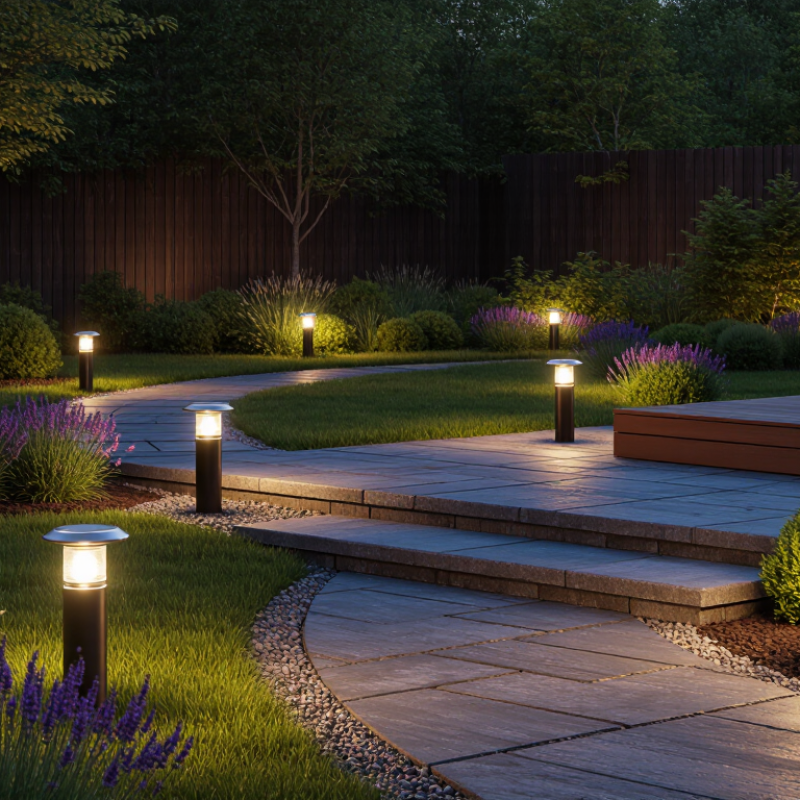
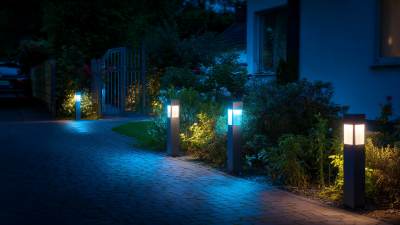
Smart garden lights come in several types, each suited to a different outdoor task. Pathway lights cast a low, wide glow along steps, borders, and walking routes. They improve visibility without making a small garden look like a parking area. Spotlights create narrow beams for trees, sculptures, ponds, or textured walls. Adjustable heads help when seasonal planting changes the view. In practical installations, warm white light often reveals leaves more naturally than harsh blue light. However, beam placement matters more than brightness. A strong lamp aimed at eye level quickly becomes uncomfortable.
Flexible strip lights fit under benches, railings, and raised beds. They provide soft accent lighting, but exposed sections need weather-resistant protection. String lights add a relaxed atmosphere across pergolas and balconies. Solar lights suit areas without nearby wiring, although cloudy weather can reduce their output. Low-voltage wired lights provide steadier illumination for larger layouts. Motion-sensor lights work well near gates and storage areas, though frequent triggers may disturb wildlife. Color-changing lights suit events, but fixed warm tones often age better visually. Check the IP rating, cable depth, drainage, and timer settings before installation. One practical lesson is easy to miss: leave enough cable slack. Otherwise, routine maintenance becomes awkward. Mains-connected systems should be inspected by a qualified electrician.
Key Features to Compare Before Choosing Smart Garden Lights
10 Best Smart Garden Lights for Outdoor Use?
When comparing smart garden lights, begin with brightness, beam spread, and color temperature. Lumens show output, while Kelvin indicates warmth. Warm light near 2,700–3,000K usually suits patios and planting beds. For pathways, I prefer even 300–500-lumen coverage over harsh, concentrated brightness. The U.S. Department of Energy reports that LEDs use at least 75% less energy and last up to 25 times longer than incandescent bulbs. That statistic matters, but real savings depend on schedules, standby power, and installation quality.
Weather protection needs careful attention. Look for a tested outdoor rating, such as IP65, and inspect cable seals before winter. A forgotten connector can ruin an otherwise reliable setup. Solar models need several hours of direct sun, not bright shade. Check battery capacity and cold-weather performance, because advertised runtime often assumes ideal conditions. The International Energy Agency has reported that lighting uses about 15% of global electricity, making automatic dimming a practical feature rather than decoration.
Control features also deserve comparison. Choose lights with sunrise schedules, motion sensing, local control, and clear data permissions. Interoperability through established smart-home standards can reduce future replacement problems. Security guidance from the U.S. National Institute of Standards and Technology supports strong passwords, software updates, and network separation for connected devices. I once valued colorful effects too highly; they looked impressive for one evening, then became visual clutter. Reliability is less exciting, but more useful.
How to Select Lights for Paths, Patios, Lawns, and Flower Beds
Choosing smart garden lights starts with the space, not the app. For paths, select low-glare fixtures with warm light around 2700–3000K. Space them unevenly to avoid a runway effect. I usually place lights about six to eight feet apart, then adjust after darkness. Motion sensors can improve safety, but overly sensitive settings may disturb sleeping neighbors.
Patios need wider, softer illumination. Look for dimming controls, reliable timers, and weather protection rated for outdoor exposure. A rating such as IP65 can help resist dust and water jets, though it does not protect against every installation mistake. Mount lights below eye level when possible. This reduces glare across dining areas. Test the controls from inside your home before fixing every cable permanently.
Lawns benefit from subtle uplighting near trees or garden edges. Flower beds need focused beams that reveal leaf shapes without bleaching their colors. Choose adjustable heads and modest brightness, especially around pale flowers. Keep cables protected and connections raised above wet soil. I have sometimes chosen lights that were too bright. They looked impressive at first, then flattened the garden’s shadows. Smart scheduling also deserves attention. Set different scenes for walking, entertaining, and late-night darkness. Connectivity can fail in thick walls or wet weather, so manual controls remain valuable. A beautiful setup still needs occasional cleaning, battery checks, and seasonal repositioning.
10 Best Smart Garden Lights for Outdoor Use? - How to Select Lights for Paths, Patios, Lawns, and Flower Beds
| Rank | Smart Light Type | Best Outdoor Location | Typical Brightness | Power Source | Smart Connection | Weather Protection | Typical Color Options | Recommended Features |
|---|---|---|---|---|---|---|---|---|
| 1 | Smart Pathway Bollard | Walkways, driveways, and steps | 200–800 lumens | Low-voltage wired or rechargeable battery | Wi-Fi, Bluetooth, or hub-based mesh | IP65 or higher | Warm white, cool white, and RGB | Motion detection, schedules, dimming, and downward glare control |
| 2 | Solar Smart Stake Light | Flower beds, borders, and lawn edges | 20–150 lumens | Integrated solar panel and rechargeable battery | Bluetooth or proprietary solar controller | IP44–IP65 | Warm white and limited color-changing modes | Automatic dusk-to-dawn operation, replaceable battery, and adjustable solar panel |
| 3 | Smart Patio String Light | Pergolas, balconies, fences, and seating areas | 5–50 lumens per bulb | Mains powered or USB-powered | Wi-Fi or Bluetooth | IP44 for sheltered areas; IP65 for exposed areas | Warm white, tunable white, and RGB | Scene presets, music response, timer control, and shatter-resistant covers |
| 4 | Smart Wall Sconce | Patio walls, entrances, and garage sides | 500–1,200 lumens | Mains powered | Wi-Fi, Bluetooth, or smart-home hub | IP44–IP65 | Warm white, tunable white, or RGB | Motion sensor, sunrise and sunset schedules, and adjustable beam direction |
| 5 | Smart In-Ground Uplight | Trees, shrubs, columns, and architectural features | 300–1,000 lumens | Low-voltage wired | Wi-Fi, Bluetooth, or low-voltage controller | IP67 recommended for ground installation | Warm white, tunable white, and RGBW | Adjustable head, corrosion-resistant housing, and glare shield |
| 6 | Smart Deck and Step Light | Deck stairs, retaining walls, and railings | 30–150 lumens | Low-voltage wired or rechargeable battery | Bluetooth, Wi-Fi, or hub-based mesh | IP65 or higher | Warm white and tunable white | Low-glare lens, occupancy sensing, dimming, and flush-mount design |
| 7 | Smart Floodlight | Lawns, side yards, driveways, and security zones | 1,000–3,000 lumens | Mains powered or solar with battery storage | Wi-Fi or cellular-enabled controller | IP65 or higher | Cool white, tunable white, and occasional RGB accent mode | Wide beam, motion alerts, camera integration, and adjustable brightness |
| 8 | Smart Spot and Garden Accent Light | Flower beds, ornamental plants, and garden sculptures | 100–500 lumens | Low-voltage wired or rechargeable battery | Bluetooth, Wi-Fi, or mesh network | IP65 recommended | Warm white, tunable white, and RGBW | Adjustable tilt, narrow beam angle, dimming, and plant-safe low heat output |
| 9 | Smart Lantern | Patio tables, outdoor kitchens, and portable seating areas | 50–300 lumens | Rechargeable battery | Bluetooth or Wi-Fi | IP44–IP65 | Warm white, candle effect, and RGB | Portable handle, battery indicator, USB charging, and automatic shutoff timer |
| 10 | Smart Poolside and Water-Resistant Light | Pool surrounds, fountains, ponds, and wet garden zones | 50–500 lumens | Low-voltage wired or sealed rechargeable battery | Bluetooth, Wi-Fi, or dedicated controller | IP67; fully submerged products require a suitable IP68 rating | Warm white, cool white, and RGBW | Sealed housing, corrosion resistance, timer control, and strict electrical-safety compliance |
Installation and Setup Guide for Smart Outdoor Lighting
Installing smart garden lights well begins with a simple site plan. Mark paths, steps, seating areas, and dark corners before buying fixtures.
The U.S. Department of Energy reports that LED lighting uses at least 75% less energy than incandescent lighting. It also lasts up to 25 times longer. That matters when lights are mounted beside wet soil or high borders.
Use outdoor-rated fixtures, sealed connectors, and a weather-protected low-voltage transformer. Check the IP rating, cable length, and maximum load before connecting anything. Keep cables under mulch, but avoid sharp bends near the transformer. Switch off power during installation.
The International Energy Agency identifies lighting efficiency as a major energy-saving opportunity, but poor placement can waste that benefit through glare and over-lighting.
My first layout was too bright. The patio looked like a parking area. I reduced brightness, aimed fixtures downward, and spaced path lights farther apart.
Smart controls should be configured after the physical setup works. Pair each light near the controller, name zones clearly, and test schedules across several evenings. Motion settings often trigger too easily when branches move. A five-minute delay may feel wasteful. It is worth reviewing.
Connectivity can also weaken behind masonry, so test the farthest fixture before burying every cable. Keep a printed wiring sketch; apps change, but the garden does not.
Safety, Maintenance, and Energy Efficiency Considerations
Smart garden lights can improve visibility, but outdoor safety should guide every purchase. Choose fixtures with a suitable IP rating for rain and dust. IP65 or higher is often practical for exposed areas. Check local electrical rules before installing cables or transformers. Low-voltage systems reduce risk, but they still need protection. Use outdoor-rated connectors and a ground-fault safety device. Keep plugs above wet soil and away from standing water. Secure cables under mulch or approved covers. Never leave loose wires across walkways.
Maintenance is easy to underestimate. Inspect lenses, stakes, seals, and cables after storms or freezing weather. Remove leaves from solar panels and wipe cloudy covers with a soft cloth. Replace cracked housings promptly. I once assumed a dim light had failed, but compacted soil had tilted its panel away from the path. Small details matter. Motion sensors also need seasonal adjustment as plants grow. Test the lights at night, not only during daylight.
Energy efficiency depends on control, not just wattage. Choose efficient LED fixtures with timers, dimming, or motion detection. Warm, moderate brightness usually protects night vision and reduces glare. Solar models can save wiring energy, but shaded gardens may produce disappointing results. A rechargeable battery may also degrade sooner than expected. Set shorter operating hours and update the control app regularly. Use strong account passwords, especially when lights connect to home networks.
How to read this chart: Lower annual energy use generally improves efficiency, while an IP65 or higher rating is recommended for exposed outdoor locations. The annual energy estimate assumes four hours of operation per day and is calculated as rated power × 1,460 hours ÷ 1,000. Solar models are shown as zero grid electricity use because their light output is powered by stored solar energy.
Related Posts
-
The Ultimate Resource for Global Buyers on Outdoor Solar Lighting Solutions
-
Exploring the Rise of Outdoor Solar Lamps and Their Impact on Energy Savings
-

Resilience in Manufacturing: How Chinese Brands of Best Low Voltage Garden Lights Thrive Amidst US-China Tariff Challenges
-
Best Tips for Choosing Solar Lights for Garden Spaces?
-
How to Choose the Best Solar Landscape Lighting
-
Enhancing Your Outdoor Space with Smart Garden Lights for Year Round Ambiance