How to Choose the Best Fruit and Flower Tea for Your Needs?
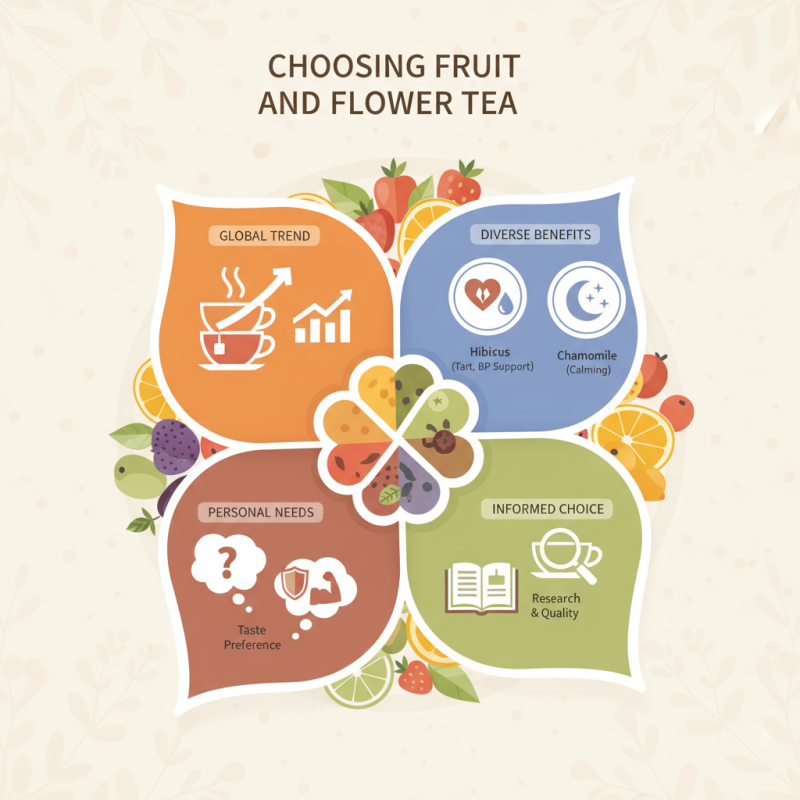
As the popularity of herbal infusions continues to rise, the demand for fruit and flower tea has soared. Industry reports indicate that the global herbal tea market was valued at approximately $2.25 billion in 2020 and is expected to grow significantly in the coming years. This trend reflects consumers' increasing interest in health benefits and natural flavors.
When selecting the best fruit and flower tea for your needs, consider the diverse flavors and benefits each blend offers. Fruit and flower teas provide unique aromas and tastes, but not all blends suit everyone. For example, hibiscus tea is known for its tart flavor and is linked to blood pressure regulation, while chamomile is favored for its calming properties.
However, navigating the vast options can be overwhelming. Not every blend will resonate with personal preference or health goals. Evaluating your tastes and what functionalities you seek is essential. Many brands boast unique blends, but the quality and sourcing of ingredients can vary significantly. Making an informed choice often requires some research and self-reflection on your tea experience.
Understanding the Basics of Fruit and Flower Teas
Fruit and flower teas have gained popularity for their rich flavors and health benefits. Research indicates that consumers are increasingly seeking herbal infusions due to their natural properties. According to the Herbal Tea Market Analysis report, the demand for fruit and flower teas is expected to grow by 7% annually through 2025. Understanding the basics helps in making informed choices.
Fruit teas typically use dried fruits as the main ingredient. They often contain antioxidants, vitamins, and essential nutrients. Hibiscus tea, for example, is known for its vibrant color and tart flavor. Studies have shown that hibiscus can help lower blood pressure and improve heart health. Flower teas, like chamomile and lavender, provide calming effects. These teas are rich in aromatic compounds that can reduce anxiety and promote relaxation.
When selecting a tea, consider your personal preferences and health goals. Some teas are caffeine-free, which is beneficial for nighttime consumption. Others might have diuretic properties. Not all teas suit every individual. For instance, sensitivity to certain floral flavors can lead to dissatisfaction. Experimenting with different options allows for a better understanding of your taste and health needs.
Health Benefits of Various Fruit and Flower Teas
Fruit and flower teas offer a wide range of health benefits. These herbal infusions are gaining popularity for their unique flavors and therapeutic properties. For instance, hibiscus tea is well-regarded for its ability to lower blood pressure and support heart health. The vibrant red petals provide a refreshing, tart flavor, making it a delightful summer beverage.
Chamomile tea, on the other hand, is famous for its calming effects. It can aid in reducing anxiety and promoting better sleep. The gentle, floral aroma creates a soothing atmosphere, which can be particularly beneficial after a long day. However, it's essential to remember that not all teas suit everyone. Allergies may arise with certain flowers or fruits, causing discomfort. Always consult with a healthcare professional if unsure.
Fruit teas, like those made from berries, are packed with antioxidants. These compounds help combat oxidative stress and support overall wellness. Yet, the sweetness of some fruit teas may mask their acidity, potentially causing indigestion for some people. Experimentation is key to finding the right blend for your needs. Try different combinations to see which ones resonate with you.
How to Identify Quality Ingredients in Teas
When exploring fruit and flower teas, identifying quality ingredients is essential. Start by examining the color. Fresh ingredients often have vibrant hues. Look for deep blues, bright reds, and lush greens. These colors indicate better preservation of nutrients and flavors.
Aroma plays a significant role as well. The scent should be strong and inviting. Dried fruits and flowers should have distinct fragrances. If the aroma is weak or stale, consider it a warning sign. Texture matters too. High-quality ingredients are often whole and intact. Crushed or broken pieces may indicate poor quality.
Take the time to read labels. Look for natural ingredients without additives or preservatives. Transparency is crucial in quality teas. Brands that provide detailed sourcing information often care more about their products. Try to sample teas before purchasing. Taste can reveal a lot about the quality of the ingredients used. If it tastes flat or artificial, it may not be the best choice for your needs. Trust your senses and don't rush your decision.
Choosing the Right Flavor Profiles for Your Taste Preferences
When choosing fruit and flower teas, consider your taste preferences. Some teas have bold and vibrant flavors, while others are subtle and soothing. If you love fruity notes, look for blends with berry or citrus components. These flavors can be refreshing and energizing. In contrast, floral notes like jasmine or hibiscus offer a delicate, calming experience.
The aroma of the tea can also affect your choice. Aroma plays a significant role in our perception of flavor. A tea that smells delightful may evoke feelings of warmth and happiness. If you're unsure, sampling different blends can help you discover your favorites. Remember, what tastes good today might not be the same tomorrow. Personal preferences can change based on your mood or the season.
Exploring various flavor profiles allows for a richer tea experience. Consider pairing your tea with food. A sweet dessert might enhance a floral tea's delicacy. Conversely, a savory snack could bring out the brightness in a fruit blend. It's a journey of exploration, and each cup has the potential to surprise you.
Choose the Best Fruit and Flower Tea Based on Flavor Profiles
Brewing Techniques for Optimal Enjoyment of Fruit and Flower Teas
Brewing fruit and flower tea can elevate your tea experience. Different techniques yield unique flavors and aromas. The right method brings out the best in each tea.
One important tip is to use fresh ingredients. Dried flowers and fruits pack more flavor when steeped correctly. Use filtered water to enhance the taste. Avoid boiling water as it can make the tea bitter. A gentle simmer is better for delicate flavors.
For optimal steeping, aim for the right temperature and time. Generally, fruit teas require around 5–7 minutes at 200°F (93°C). Flower teas often need 3–5 minutes at a lower temperature, around 180°F (82°C). Experimenting with these variables can help you find your perfect cup.
Consider blending flavors for a personalized touch. Mixing hibiscus with dried peaches creates a refreshing tea. Keep a notebook to jot down your favorite combinations and brewing tips. Reflect on each brew's outcome; learn what works and what may not. Enjoy the journey of discovering your preferred fruit and flower tea!
