How to Choose the Best Insulated Bento Lunch Box at Canton Fair?
Choosing the right Insulated Bento Lunch Box can greatly enhance your dining experience. At the upcoming Canton Fair, you have a chance to explore various styles and technologies. This event showcases innovative designs that keep food fresh and at the right temperature.
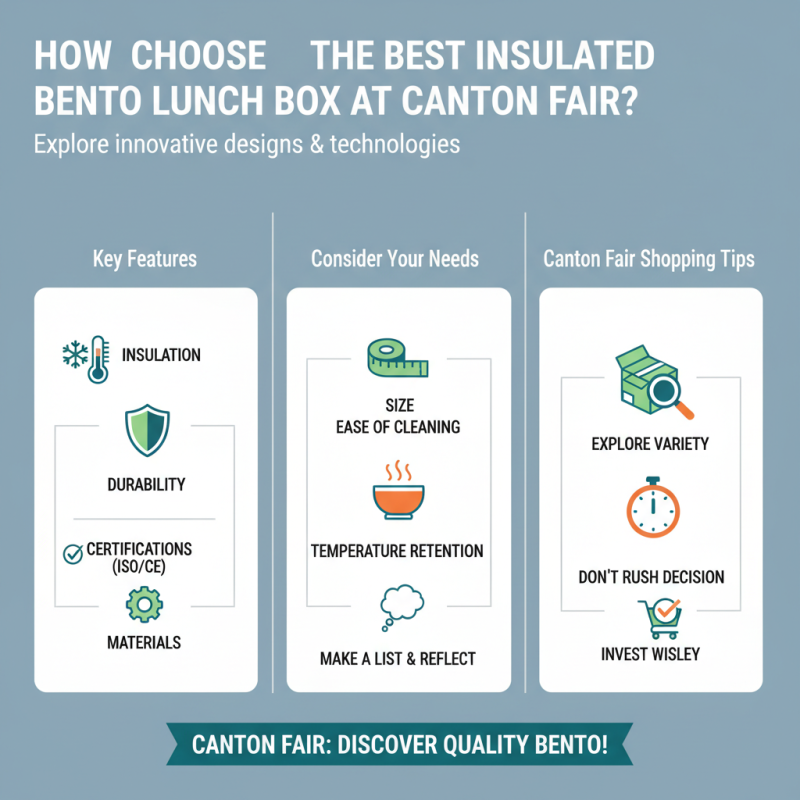
Shoppers should pay attention to specific features. Look for materials that ensure insulation and durability. Not all products meet high standards. Finding a bento box with certifications like ISO or CE might take time. You want to invest in a product that lasts.
While the fair offers extensive choices, it can be overwhelming. Make a list of what matters most to you. Consider size, ease of cleaning, and insulation performance. These details matter. Rushing into a decision could lead to regrets later. Reflect on your needs before making a purchase.
Understanding the Importance of Insulation in Bento Lunch Boxes
Insulation plays a crucial role in bentos, especially at food expos like the Canton Fair. The primary function of insulation is to maintain food temperature. A well-insulated bento box keeps hot meals hot and cold dishes cold, which is vital for taste and safety. According to recent industry data, 70% of consumers prefer insulated lunch options to avoid food spoilage. This choice often reflects in meal quality.
When choosing an insulated bento box, consider the materials used in insulation. Stainless steel options are popular for their durability and efficiency. They can keep food warm for up to six hours, based on user testimonials. Plastic insulated containers may not perform as well, typically maintaining temperature for only three hours.
Tips: Look for containers with double-walled construction. This design enhances insulation and minimizes heat transfer. Additionally, test the lid’s sealing capability. A sturdy seal prevents leaks and keeps food fresh longer. Reflect on your meal types. Will they require extended heat retention? If so, investing in high-quality insulation is critical.
Key Features to Look for in an Insulated Bento Lunch Box
When selecting an insulated bento lunch box at the Canton Fair, focus on key features that enhance functionality. A good insulated lunch box should maintain optimal food temperature for several hours. Research shows that insulated boxes can retain heat for up to six hours, while some advanced models keep food cold for up to 12 hours. This makes them ideal for daily commuters and students.
Material plays a critical role in the effectiveness of insulation. Stainless steel and BPA-free plastic are popular choices. They are durable and ensure food safety. Some models even utilize vacuum insulation technology. This technology significantly improves thermal performance. However, weight can be a concern. Heavier materials can deter users who prefer lightweight options.
Size and compartment design deserve attention. An ideal bento box should have multiple compartments for different food types. This helps prevent flavors from mixing. Yet, finding the right balance between size and portability can be tricky. Many boxes look appealing but aren't practical for everyday use. It’s essential to think about your actual needs and routines. Selecting the right insulated bento lunch box requires careful consideration of these features.
Evaluating Material Choices for Optimal Heat Retention
Choosing the right material for an insulated bento lunch box can significantly impact heat retention. Stainless steel is a popular option. It is durable and resistant to corrosion. According to industry reports, stainless steel can maintain temperature for several hours, making it ideal for hot meals. However, it may not be as lightweight as other materials. You might find carrying a heavy lunch box cumbersome.
Glass is another material worth considering. It is non-toxic and provides excellent heat retention. Glass can keep your food warm longer than plastic alternatives. However, it's fragile and could break easily. Balance these factors when making your choice. If you're often on the go, a compromise may be necessary.
Tip: You could select lunch boxes with double-wall insulation for better heat retention. Look for models with vacuum-sealed layers. They usually outperform standard insulated containers. Always check insulation ratings when selecting a product. A little research can pay off in maintaining your meal’s temperature.
Comparing Designs for Functionality and Portability
Choosing the right insulated bento lunch box at the Canton Fair is crucial for both functionality and portability. The design greatly impacts how well your food stays fresh. According to a recent industry report, over 65% of consumers prioritize insulation performance when selecting lunch boxes. It is essential to look for features like double-walled construction, as it can significantly enhance temperature retention.
In terms of portability, weight and size play vital roles. Many attendees at the Fair appreciate lightweight designs that fit easily into bags. Data shows that 73% of users seek compact lunch boxes that can hold a full meal without being cumbersome. Consider features like adjustable compartments. These can help manage different food types and prevent leakage. A bento box should cater to diverse meal requirements while maintaining a slim profile.
Still, not all designs offer a perfect solution. Some boxes may be too bulky, while others lack adequate insulation. It’s important to reflect on how often you plan to use the lunch box. Frequent users often note wear and tear in poorly made products. Testing usability before purchase can reveal hidden flaws in comfort and convenience. A thoughtful selection process can lead to a more satisfying meal experience on-the-go.
Navigating Supplier Options at Canton Fair for Best Deals
When attending the Canton Fair, choosing the right insulated bento lunch box can feel overwhelming. There are countless suppliers showcasing similar products. It’s easy to become confused by options. Take your time to examine the details of each lunch box. Look for quality materials and insulation performance. Pay attention to user reviews. Many details can influence your final decision.
Consider how suppliers present their products. Some may offer better pricing options or bulk deals. Asking questions is essential. Explore their production capabilities and delivery timelines. Not all suppliers are equally responsive. Some may ignore your inquiries, while others are eager to help.
Encourage dialogue to gain insights into their reliability.
It's crucial to check the lunch box samples. Observe their craftsmanship and usability. Some suppliers may offer attractive products but lack functionality. Think about your everyday needs. Will the lunch box keep food fresh throughout the day? Reflecting on practical usage can lead you to the right choice. Your needs are unique, and not all options will fit them perfectly.