Why Choose LED Corn Light Bulb for Your Business Needs?
In today's competitive business landscape, the choice of lighting can significantly impact operational costs and overall efficiency. The LED Corn Light Bulb is gaining traction as a preferred option for businesses aiming to reduce energy expenses. According to a report by the U.S. Department of Energy, switching to LED lighting can save up to 75% in energy use compared to traditional incandescent bulbs. This substantial reduction in energy consumption not only cuts costs but also decreases environmental impact.
Moreover, LED Corn Light Bulbs have a longer lifespan. They can last up to 50,000 hours, far surpassing standard bulbs. This means businesses can minimize replacement frequency and maintenance costs, which can be a burden. Investing in these bulbs can also enhance workplace safety and comfort, providing brighter, more focused light. However, the initial investment may seem high for some businesses. It’s important to weigh these upfront costs against long-term savings.
Adopting LED Corn Light Bulbs reflects a commitment to sustainability and innovation. As the market evolves, businesses must adapt to these changes. The challenge lies in balancing immediate costs with potential benefits while ensuring reliable and efficient lighting solutions for all needs.
Understanding LED Corn Light Bulbs and Their Benefits
LED corn light bulbs are designed to provide efficient lighting solutions for various business needs. These bulbs resemble corn on the cob and feature multiple LED chips. They offer a high lumen output while using significantly less energy than traditional incandescent bulbs. This combination results in lower energy bills, making them an attractive option for businesses aiming to reduce operational costs.
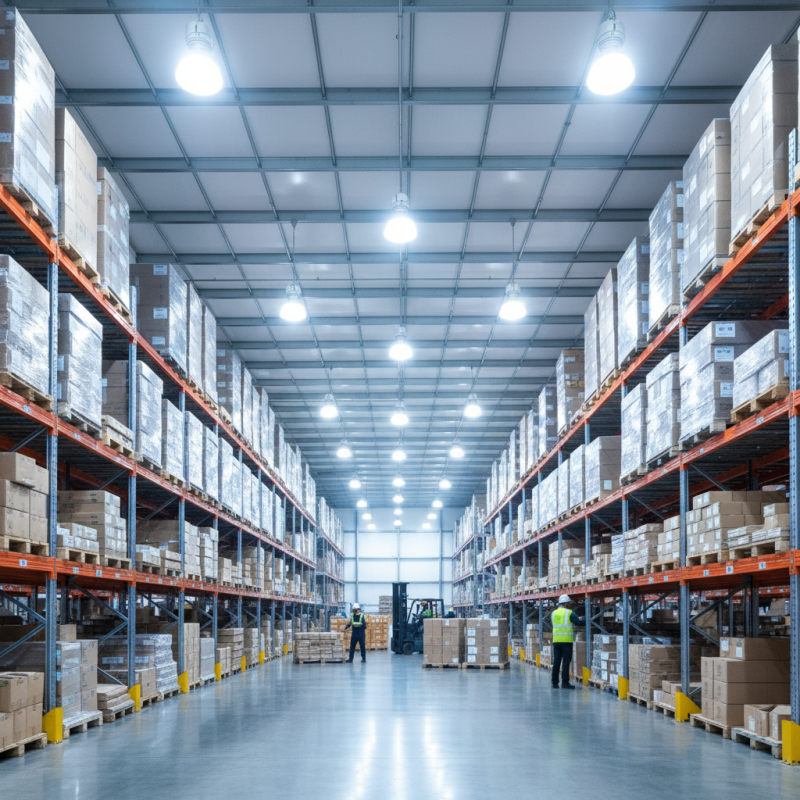
The benefits of LED corn light bulbs extend beyond just energy efficiency. They have a longer lifespan compared to standard bulbs, often lasting up to 25,000 hours. This durability means less frequent replacements, which can be a hassle for business owners. In settings like warehouses or outdoor spaces, these lights ensure that every corner is illuminated. However, businesses must consider that not all LED products are made equal. It's important to evaluate quality over price to avoid poor performance and flickering issues.
Selecting the right lighting can be a challenge. Brightness, color temperature, and beam angle are crucial factors. Many businesses overlook these aspects, leading to inadequate lighting solutions. Proper illumination can enhance productivity and safety, creating a better working environment. Therefore, understanding the specific needs of your business is vital when choosing LED corn light bulbs.
Energy Efficiency: Lowering Operational Costs with LED Bulbs
LED corn light bulbs offer significant energy efficiency benefits for businesses. They convert more electrical energy into light, which leads to lower utility bills. When businesses switch to LED bulbs, they often see a reduction in operational costs by up to 75%. This substantial savings can improve the overall financial health of a business.
Beyond energy savings, LED bulbs require less maintenance. They last longer than traditional incandescent or fluorescent bulbs, reducing replacement frequency. Businesses can save on labor costs associated with frequent bulb changes. However, transitioning to LED technology can require an initial investment.
It's also worth considering the environmental impact of LED bulbs. Their reduced energy consumption leads to lower carbon footprints. Yet, some businesses hesitate to switch due to skepticism about performance or upfront costs. An informed decision relies on weighing these factors, including the long-term benefits. Understanding your specific operational needs is crucial.
Longevity and Durability: A Long-Term Investment for Businesses
LED corn light bulbs are becoming a popular choice for businesses looking for reliable lighting solutions. One key factor is their longevity. These bulbs typically last up to 25,000 hours. This means fewer replacements over time, reducing labor and disposal costs. For many businesses, saving money on replacements adds significant value.
Durability is another critical aspect. LED corn light bulbs can withstand harsh environments. They resist shock, vibration, and temperature fluctuations. This reliability is essential for businesses that operate in warehouses, factories, or outdoor settings. However, it's important to recognize that initial investment can be higher than traditional bulbs. Some may hesitate to switch due to upfront costs.
Choosing LED corn lights should be a strategic decision. Balancing initial costs with long-term savings requires careful thought. Understanding the full picture can help businesses make a more informed choice. Investing in quality lighting ultimately leads to better visibility and safety, enhancing overall operations. This journey can reflect a business's commitment to sustainability and innovation.
Versatility of LED Corn Light Bulbs in Various Commercial Settings
LED corn light bulbs have gained significant traction across various commercial settings due to their impressive versatility. A study by the U.S. Department of Energy shows that switching to LED lighting can reduce energy consumption by 75% compared to traditional incandescent bulbs. This substantial decrease in energy usage translates into lower utility bills. For businesses, this means less overhead while maintaining optimal lighting conditions.
Commercial spaces such as warehouses and retail stores benefit greatly from the high lumen output of LED corn bulbs. These bulbs provide bright, uniform lighting, improving visibility for both employees and customers. According to the Lighting Research Center, bright lighting can increase productivity and enhance customer experience. Additionally, LED corn lights have a long lifespan, lasting up to 50,000 hours, which reduces the frequency of replacements and maintenance costs.
Despite these advantages, some businesses may hesitate to make the switch due to upfront costs. The initial investment can be daunting; however, the long-term savings typically outweigh this expense. Some users may find the color temperatures of certain LED bulbs less appealing. Understanding the specific lighting needs of your space can help mitigate this challenge. Careful consideration of these factors can lead to more informed decisions regarding lighting solutions.
Benefits of LED Corn Light Bulbs in Commercial Settings
Environmental Impact: How LEDs Contribute to Sustainability Efforts
LED corn light bulbs are becoming increasingly popular due to their positive environmental impact. These bulbs use up to 80% less energy compared to traditional incandescent bulbs. According to the U.S. Department of Energy, switching to LED lighting can significantly reduce greenhouse gas emissions, potentially preventing over 140 million metric tons of CO2 emissions annually.
The lifespan of LED bulbs also contributes to sustainability. An average LED bulb lasts approximately 25,000 hours, compared to just 1,000 hours for incandescent bulbs. This extended lifespan means less frequent replacements, which reduces waste. The Environmental Protection Agency (EPA) further emphasizes that less waste not only conserves materials but also lowers the energy required for production and disposal.
However, one should consider the challenges of transitioning to LED technology. The upfront cost can be higher, which deters some businesses. Not all LED products are created equal, leading to discrepancies in longevity and efficiency. While many reports highlight energy savings, not all data includes long-term performance metrics. These reflections point to the importance of thorough research before making decisions. Understanding both the benefits and limitations is crucial in the quest for sustainability.
