How to Choose the Best Homogeneous Floor for Your Space?
Choosing the right homogeneous floor for your space can significantly impact aesthetics and functionality. The global flooring market is projected to reach $400 billion by 2026, reflecting a growing interest in quality materials. Homogeneous floors, known for their resilience and uniformity, play a vital role in this trend.
When considering homogeneous flooring, factors such as durability, maintenance, and design are crucial. For instance, reports show that 70% of commercial spaces prefer homogeneous flooring due to its ease of cleaning and longevity. These floors are not just practical; they offer various designs that can enhance any interior.
However, it's essential to acknowledge the limitations. Some users may overlook potential drawbacks, such as the initial installation cost or the need for a specific subfloor. With careful consideration and research, your decision can lead to a beautifully finished space. Selecting the ideal homogeneous floor ultimately requires balancing aesthetics with practicality.
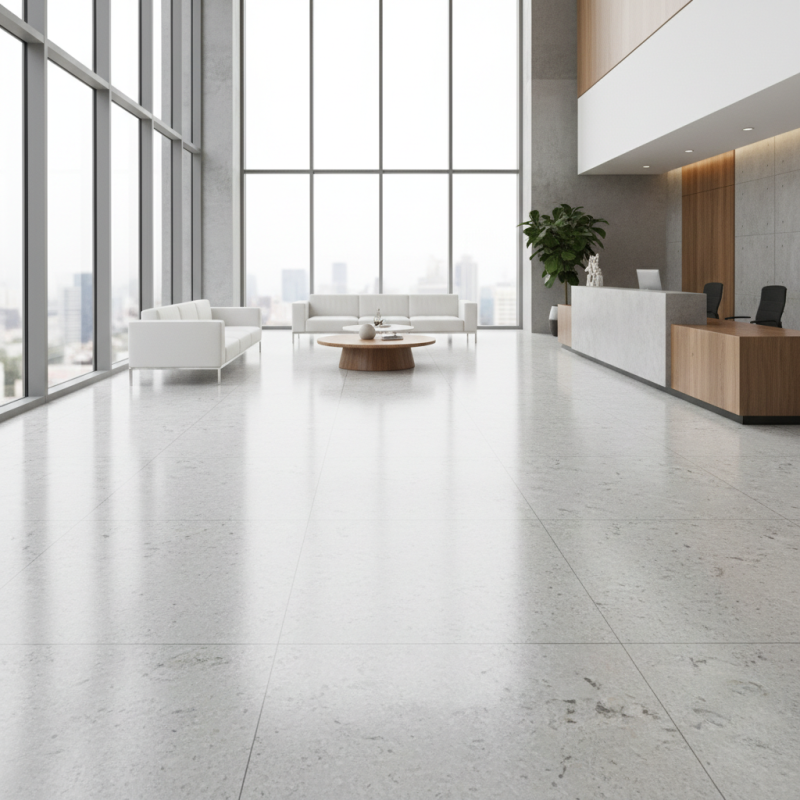
Understanding Homogeneous Flooring: Definition and Benefits
Homogeneous flooring is a type of resilient flooring made from a single layer of material. This design offers a seamless aesthetic that many building designers prefer. It’s crucial to understand its benefits before selecting this option for your space.
One significant advantage of homogeneous flooring is its durability. According to industry research, it can withstand heavy foot traffic without showing wear. It is ideal for commercial areas. Furthermore, its non-porous surface makes it resistant to stains and easy to maintain. Cleaning requires only basic products, saving time and resources. A report by the National Floor Covering Association states that about 70% of users appreciate the ease of maintenance.
However, not all homogeneous flooring is the same. Some materials may not hold up as well as others. The colors and textures can fade with extensive sunlight exposure. Additionally, while installation can be straightforward, improper techniques might lead to buckling or gaps. It’s essential to choose an experienced installer to avoid these pitfalls. Evaluation of your space and needs is key before making a final decision.
Factors to Consider When Choosing Homogeneous Flooring
When selecting homogeneous flooring, several key factors come into play. You should consider the space's purpose. High-traffic areas need durable materials. For quieter spaces, softer finishes may be ideal. Think about slip resistance and maintenance too. These aspects can heavily influence safety and aesthetics.
Pay attention to color and design. Homogeneous flooring offers a variety of designs. Choose colors that match your overall decor. Light colors can make small spaces appear larger. Darker tones may add warmth and sophistication. It’s essential to visualize the flooring in your space before making the final decision.
Tips: Always request samples. This allows you to see how the flooring looks with your lighting and furniture. Consider the acoustic qualities, especially in busy environments. Finally, don’t overlook your budget, but remember that sometimes, investing more upfront can save you in the long run. Each choice should reflect your personal style and meet practical needs.
Choosing the Best Homogeneous Floor: Key Factors to Consider
Types of Homogeneous Flooring Materials and Their Applications
When selecting homogeneous flooring, consider its various types. Each material serves different needs. For example, vinyl flooring is popular in residential spaces. It's durable and easy to maintain. However, it can scratch easily, so choose carefully.
Ceramic tiles offer a hard surface that resists moisture. They are ideal for kitchens and bathrooms. Yet, they can be cold underfoot, which might not be suitable for living rooms.
Laminate flooring mimics wood but is often less expensive. It’s easy to install, but wear can become noticeable over time.
Reflect on your space's function. Will it see heavy foot traffic? Then thicker options might be necessary. Aesthetics matter too; the right color can transform a room. Remember, durability and style can sometimes clash, requiring tough decisions.
Installation Techniques and Maintenance Tips for Longevity
When it comes to installing homogeneous flooring, understanding proper techniques is vital. Start with surface preparation; the subfloor must be clean and even. A smooth, dry base is crucial for a successful installation. Sometimes, unexpected imperfections surface in the subfloor. Addressing these is essential before laying down any material.
Adhesive choice matters significantly. The right adhesive fosters a strong bond and long-lasting performance. Consider the flooring environment too. High-moisture areas require specific adhesive types.
Another point of maintenance is regular cleaning. Dust and dirt can wear down the flooring over time. A simple sweep or damp mop can work wonders.
Don't forget about preventive measures. Using mats at entrances can help reduce wear and tear. It’s easy to overlook minor details, but these add up. Watch for any signs of damage after installation. This helps ensure longevity. Proper maintenance and attention to these small aspects can make a big difference in your flooring's lifespan.
Cost Analysis: Budgeting for Your Homogeneous Flooring Project
When budgeting for homogeneous flooring, several factors should be considered. The type of material directly affects the price. Some options offer a wide range, while others might only be available in specific styles. Installation costs can also vary. Hiring experienced professionals ensures a good finish but may add to your budget. Do you have the skills to install it yourself? If yes, you might save some funds.
Consider the long-term implications of your choice. Cheaper options may save money upfront but could wear out faster. You may end up replacing them sooner. Think about maintenance costs as well. Some materials require special cleaning agents or methods, which can add up over time. It's worth evaluating if your selected flooring fits into your lifestyle.
Create a detailed plan before purchasing. Take measurements of your space accurately. Estimate the required amount of flooring to avoid overbuying or underestimating. Store clerks can sometimes steer you wrong. They might not consider future trends or your personal preferences. Rethink your choices carefully to make a well-informed, budget-friendly decision for your home.
