How to Choose the Best Red Light Mask for Your Needs?
Choosing the right Red Light Mask can be a daunting task. With so many options available, how do you know which one is best for your needs? According to Dr. Emily Tran, a leading expert in light therapy, “The effectiveness of a Red Light Mask largely depends on individual skin types and specific concerns.” Understanding this can guide you in making a more informed decision.
When selecting a Red Light Mask, consider factors like light wavelengths, intensity, and specific features. Some masks focus on anti-aging benefits, while others target acne or skin rejuvenation. It’s essential to reflect on your unique skin goals. Perhaps you want to reduce fine lines, or maybe your primary concern is inflammation.
However, it's also important to recognize the potential shortcomings of these masks. Not every product will deliver the promised results. Misleading marketing can often exaggerate claims. Thus, reading reviews and seeking expert advice can be incredibly beneficial. Ultimately, the best Red Light Mask for you is one that aligns with your specific needs while providing reliable and genuine benefits.
Understanding Red Light Therapy and Its Benefits
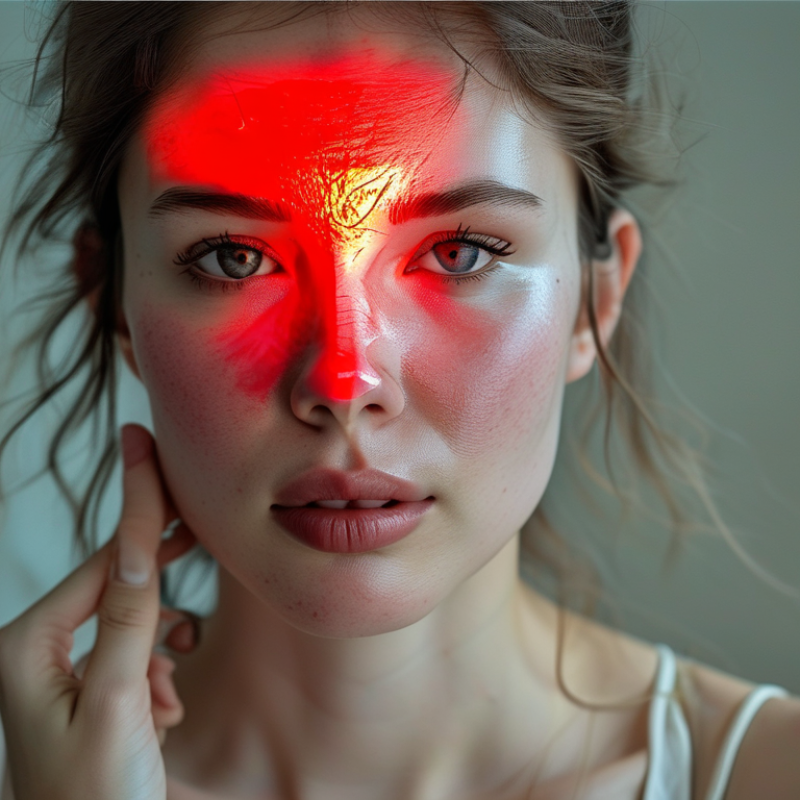
Red light therapy has gained attention for its potential benefits in skin health and overall wellness. This therapy uses low-level wavelengths of light to stimulate cellular function. Many users report improvements in skin tone, texture, and even reduction in fine lines. Clinical studies have shown that red light can increase collagen production, which is crucial for youthful skin.
The mechanism behind red light therapy is fascinating. It works at the cellular level, promoting energy production in mitochondria. This process enhances tissue repair and regeneration. However, despite the promising effects, individual results can vary. Factors such as skin type and the condition being treated play significant roles. Not everyone may experience the same outcomes, and it’s possible to feel disappointment if expectations are too high.
Safety is another critical point to consider. While red light therapy is generally safe, misuse or excessive exposure can lead to skin sensitivity. Consulting with a healthcare provider can provide personalized insights. This ensures that the therapy aligns with your specific skin needs. Assessing effectiveness takes time and may require patience, as the best results often build gradually.
Types of Red Light Masks Available on the Market
Red light masks have become popular for their potential benefits in skin health and healing. When considering these masks, it's essential to understand the various types available. Two major categories are handheld masks and full-face panels. Handheld devices are great for targeted treatment. They allow users to focus on specific areas like fine lines or blemishes. However, they require more time to use effectively, as you need to move the device around.
Full-face panels cover a larger area and provide uniform treatment. They can be easier to incorporate into a skincare routine. Many users report more significant results in less time with these masks. However, some models may feel bulky or difficult to manage. Users often express concerns about the design and comfort of wearing a full-face mask for longer periods.
Another essential aspect involves varying wavelengths used in red light therapy. Most masks emit light between 600 to 650nm, targeting different skin concerns. Some masks also include near-infrared light, which can penetrate deeper layers of skin. This can increase effectiveness but may also lead to confusion about which mask to choose. Users often need to consider their specific skin goals, such as anti-aging or acne treatment. Reflecting on personal needs can help narrow down the options and ensure the chosen device truly meets one's requirements.
Comparison of Different Types of Red Light Masks
Key Features to Consider When Choosing a Red Light Mask
Selecting a red light mask involves understanding key features that align with your specific needs. Consider the wavelengths emitted by the mask. Research indicates that effective red light therapy operates primarily within the 620-650 nm range for skin health and 800-880 nm for deeper tissue penetration. Masks with adjustable settings can offer tailored experiences.
Tip: Look for clinical studies that back the effectiveness of the wavelengths provided by the mask. This data can help you make informed choices.
Another crucial aspect is the mask's design and comfort. A well-designed mask should fit snugly yet comfortably to ensure even light distribution. Masks that are too tight may lead to discomfort, while loose ones can hinder effectiveness. User reviews often highlight these design features, emphasizing the importance of user comfort.
Tip: Read consumer feedback on product comfort and usability. This can save you from a subpar experience.
Lastly, consider the product’s safety features. An effective red light mask should have built-in protective measures to prevent overheating. Overexposure can lead to skin irritation, undermining the therapy's benefits. Reliable products will demonstrate rigorous safety testing and quality assurance.
Tip: Verify safety certifications and testing results. This can enhance confidence in your chosen product.
Identifying Your Skin Type and Specific Needs
Choosing the right red light mask begins with understanding your skin type. Oily, dry, sensitive, or combination skin can affect your decision. For oily skin, look for masks that help regulate oil production. They can improve texture without clogging pores. If your skin is dry, hydration-focused masks may be more beneficial. They provide nourishment and combat dullness.
Assess your specific skin concerns too. Are you dealing with acne, aging, or pigmentation issues? Some masks target fine lines, while others may reduce redness and inflammation. It’s vital to align the mask’s technology with your needs. Research ingredients known for anti-aging or skin healing. Often, simpler is better.
Don’t forget to patch-test any new product. Your skin might react unexpectedly. A patch test can help you avoid any allergic reactions or irritation. Pay attention to how your skin feels during and after use. Everyone’s skin is unique, and what works for someone else might not work for you.
Tips for Safe and Effective Use of Red Light Masks
When using a red light mask, safety is paramount. Ensure your skin is clean and free from products before use. This helps in better absorption of light. A patch test on a small area is wise. It lets you gauge any skin reaction without risking larger areas. Keep an eye on your treatment time. Overuse can lead to irritation. Start with short sessions, about 10-15 minutes.
Effectiveness hinges on consistency. Regular use enhances results. However, every skin type reacts differently. Some might notice changes in a week, while others take a month. Document your progress. Take notes on improvements or any adverse effects. This reflection helps in tailoring your routine over time.
Light intensity is another key factor. Select settings based on your comfort level. Too much intensity could lead to discomfort. If you experience redness or discomfort, consider lowering the intensity or duration. Every device varies, so read all instructions carefully. Engaging with professionals can deepen your understanding and provide personalized advice.
