How to Choose the Best Exterior Plywood?
Exterior Plywood is not a single, all-weather product. It is a family of panels designed for different exposure conditions, uses, and installation details. A sheet beside a sheltered porch may face occasional dampness. One beneath open siding may encounter wind-driven rain, repeated drying, and seasonal movement. Those differences matter. So do the panel’s grade, thickness, veneer quality, and edge protection.
APA – The Engineered Wood Association emphasizes matching a panel’s exposure classification to its intended use. In plain terms: check the grade stamp, not just the front label. “Exterior” does not mean every edge can stay wet indefinitely. The details decide a lot. A small gap, an unsealed cut, or a poorly placed fastener can undermine an otherwise suitable panel. It is easy to focus on the sheet itself and overlook the assembly around it.
This guide will explain how to compare grades, understand exposure ratings, and choose thickness for common projects. It will also cover installation, finishing, and storage, because selection alone cannot guarantee long service. Look for clear product documentation and follow the manufacturer’s instructions. A lower price may suit a protected application, but it can be a poor bargain in a harsher location. Even careful advice has limits: local weather, framing, and workmanship change the result. That deserves a second look before you buy.
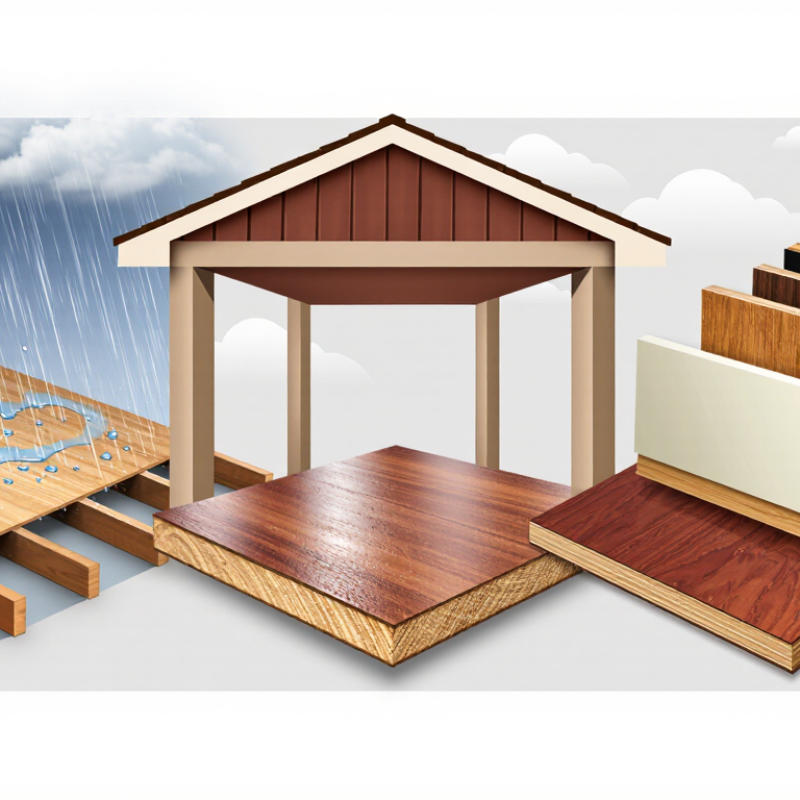
Distinguish APA Exterior Panels from Exposure 1 for Long-Term Weather Use
How to Choose the Best Exterior Plywood?
Distinguish APA Exterior Panels from Exposure 1 for Long-Term Weather Use
Choosing plywood for an outdoor project starts with its exposure rating, not just its thickness. Look for “Exterior” on the panel grade stamp when the sheet will face repeated rain or damp conditions. Exterior-rated panels use a bond designed to withstand repeated wetting and drying. They are not waterproof, though. Sun, standing water, and unsealed edges can still cause damage.
“Exposure 1” panels also use a moisture-resistant bond, but they are intended for temporary exposure during construction, not ongoing weather. It is easy to mistake the two labels because both sound reassuring. That distinction matters. For a shed wall or other permanently exposed surface, choose Exterior-rated plywood and plan a suitable finish. Check local project specifications, too; requirements can vary.
Tips: Read the full grade stamp before buying. Seal cut edges, keep panels clear of soil, and provide drainage so water cannot sit against them. Store sheets flat and covered before installation. A protective coating helps, but it cannot fix poor drainage or replace the correct exposure rating.
Match APA Face Grades A–D to Appearance and Surface Requirements
Exterior plywood selection starts with two separate questions: how should the face look, and what exposure must the panel withstand? APA’s Engineered Wood Construction Guide distinguishes surface appearance from panel performance. The U.S. Department of Commerce’s PS 1-19 standard defines four face grades, A through D, with limits for visible defects. A face grade alone does not confirm weather suitability. Check the panel’s exposure classification and span rating separately.
Grade A has a smooth, carefully finished face suited to visible areas and paint. Grade B allows minor repairs and blemishes, so it works where a neat surface matters but perfection does not. Grade C has more visible knots and other permitted defects; C-plugged faces have repaired openings. Grade D allows more noticeable defects and is commonly used on concealed faces. That distinction matters. For a painted shed door, A or B may save filling and sanding time; behind siding, a lower face grade may be adequate. APA guidance and PS 1-19 describe these grades as appearance and veneer-quality categories, not guarantees of a flawless finish. Read the panel stamp before buying; grade names are easy to overread, and actual surface quality still deserves a close look.
Read Span Ratings: 32/16 Allows 32-Inch Roof and 16-Inch Floor Supports
How to Choose the Best Exterior Plywood?
A 32/16 span rating tells you how far supports may be spaced in two different applications. APA’s Engineered Wood Construction Guide identifies the first number for roof supports and the second for floor supports. In practical terms, 32/16 allows supports spaced 32 inches apart for roofs and 16 inches apart for floors, subject to the panel’s installation requirements. Check the grade stamp before lifting a sheet into place. It should also show panel thickness and exposure classification.
The rating is not a promise that every 32-inch roof framing layout is suitable. Loads, panel orientation, edge support, and local building requirements still matter. A heavy snow load, for example, may call for closer supports or a different panel specification. Small details count. Follow the panel manufacturer’s technical guidance, and confirm the framing plan with a qualified building professional when conditions are unusual. Exterior exposure is a separate issue: a span rating alone does not establish resistance to prolonged moisture. APA guidance distinguishes structural panel ratings from exposure classifications, so check both before buying. It is easy to focus on the large 32/16 stamp and miss the smaller, equally important details.
Check Panel Thickness, Ply Construction, and Applicable PS 1 or PS 2 Standards
Choosing exterior plywood starts with panel thickness, but the right choice depends on the framing beneath it. Check the project plans and span tables, then compare the specified thickness with the support spacing. A sheet that feels sturdy in the yard may flex between widely spaced joists. Measure the edge if the label seems unclear; nominal and actual thickness can differ. Small detail.
Ply construction offers another useful clue. More, thinner plies can improve stability when veneers are balanced across the panel. Look at the cut edge for gaps, overlaps, or an uneven core. I have seen a thick panel with rough internal voids perform less predictably than expected. Still, ply count alone cannot confirm structural capacity; grade, species, adhesive bond, and intended span matter too.
Read the panel stamp before buying. PS 1 sets construction and grade requirements for structural plywood, while PS 2 sets performance requirements for structural-use panels, including plywood and other panel types. The stamp should identify the standard, grade, thickness, and exposure classification. “Exterior” describes a moisture-resistant bond, not protection from standing water or decay. Check local requirements and product documentation for the intended use. I would not guess here.
Assess Preservative Treatment, Edge Sealing, and Installation for Durability
How to Choose the Best Exterior Plywood?
Assess Preservative Treatment, Edge Sealing, and Installation for Durability
Choose plywood rated for the exposure it will face, and verify whether preservative treatment suits the intended use. Treated panels still need thoughtful detailing. The USDA Forest Products Laboratory’s 2021 Wood Handbook (FPL-GTR-282) reports that many decay fungi need wood moisture levels around 20% or higher. Repeated wetting can therefore matter more than a single splash. Seal exposed edges and cutouts with a compatible product, following its application instructions. Pay special attention to panel bottoms, fastener holes, and corners where water can linger.
Tips: Keep panels clear of soil and standing water. Flash joints, allow drainage, and use fasteners suited to treated wood. Follow the panel maker’s spacing and installation guidance. No coating can rescue a wall that traps water; it sounds obvious, but rushed details are easy to miss.
Before installation, inspect panels for damage and keep them dry, flat, and covered. Seal fresh cuts as specified, then check that siding, trim, and flashing shed water away from edges. Edge sealing helps, but it is not a substitute for drainage or suitable treatment. Small gaps and imperfect cuts happen; repair exposed areas before they become wet pathways.
How to Choose Exterior Plywood for Durability
Practical priority ratings for key selection and installation checks (1 = lower priority, 5 = highest priority). These are guidance ratings, not laboratory test results or predicted service-life measurements.
Choose plywood rated for the intended exposure, use preservative-treated material where the project requires decay protection, seal cut edges, and install it to shed water. Follow the panel and coating manufacturers’ instructions for clearances, fasteners, and maintenance.