How to Choose the Best Shower Sprayer for Your Bathroom?

Choosing the best Shower Sprayer starts with how you actually use your bathroom, not with the most impressive product photo. Do you rinse long hair, wash a child, clean the tub, or simply want a gentler stream after work? Those everyday details point toward different spray patterns and designs. A handheld sprayer offers reach and flexibility, while a fixed showerhead keeps the setup simple. Some models combine both, but extra settings are only useful if they feel comfortable and are easy to switch.

Check practical fit before comparing finishes. Measure the existing connection, consider hose length and holder position, and confirm that the sprayer suits your plumbing. Water pressure matters, too: a wide, mist-like spray may feel weak in a bathroom with limited pressure. If possible, handle the controls in a showroom. Notice whether the buttons are easy to grip with wet hands and whether the hose reaches the corners of the tub. Small details matter. A chrome finish may match your fixtures, but it can show water spots; a textured surface may be easier to hold, yet harder to wipe clean. Product descriptions do not always make these trade-offs obvious. I have learned that the most feature-rich option is not automatically the most satisfying one. Think about maintenance, replacement parts, and installation requirements as well. A careful comparison can narrow the choices without turning a simple bathroom upgrade into a guessing game. Start with comfort, compatibility, and daily habits; then weigh the extras against what you will genuinely use.
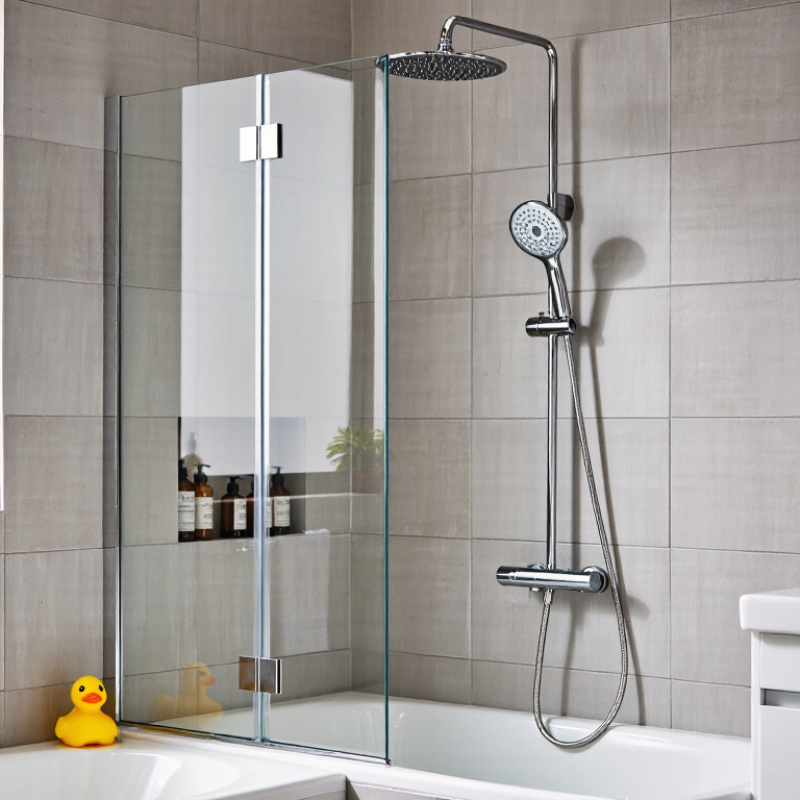
How to Choose the Best Shower Sprayer for Your Bathroom?

Understand the Main Types of Shower Sprayers

Shower sprayers generally fall into a few practical types: fixed, handheld, rain-style, and combination models. A fixed sprayer stays in one position and suits a straightforward setup. It is easy to use, but cleaning the shower or rinsing a child may require awkward reaching. Check that its spray angle works for the height of the people using it.

A handheld sprayer connects to a flexible hose, making it useful for rinsing, bathing pets, or cleaning tile corners. Look at the hose length and how securely the holder grips the sprayer. Small details matter. A short hose can make an otherwise useful model frustrating. Slide-bar versions let you adjust the holder’s height, though the bar needs a firm, well-sealed installation.

Rain-style sprayers provide a broad, gentle flow from overhead. They can feel relaxing, but may use more water or seem weak when household water pressure is low. A combination setup pairs a fixed head with a handheld sprayer, offering more choice but adding parts to maintain. Hard-water deposits can clog small nozzles over time, so removable or easy-to-clean spray faces are worth considering. I would not choose by appearance alone; the spray pattern that looks generous in a showroom may feel too soft at home.

Check Plumbing Compatibility and Bathroom Requirements

Check the existing plumbing before comparing spray patterns. A shower arm may use a standard threaded connection, but its position, condition, and available water pressure still matter. Look at the valve and diverter, too. A handheld sprayer may need a diverter, while a ceiling-mounted head can require different pipework. If the connection feels loose or corroded, measure it rather than guessing.

Pressure matters, too. A low-flow sprayer can feel weak when the home already has low pressure or several fixtures running. The U.S. EPA’s WaterSense showerhead specification limits flow to 2.0 gallons per minute, compared with the federal baseline of 2.5 gallons per minute. EPA estimates an average family can save 2,700 gallons of water yearly by switching to a WaterSense-labeled showerhead. Those figures describe potential savings, not guaranteed performance in every bathroom.

Match the sprayer to the room as well as the pipes. In a compact stall, check that a handheld hose reaches without kinking and that its holder clears shelves and doors. For a shared bathroom, consider whether the controls are easy to reach and adjust. One easy mistake is trusting the fixture’s advertised flow rate without checking household pressure. Read the installation requirements, then compare them with your valve and water-heater setup. A quick check can prevent an awkward return.

Compare Spray Patterns, Controls, and Useful Features

A shower sprayer should suit your daily routine, not just look appealing. A wide rain pattern spreads water over your shoulders and feels gentle, but it may seem less forceful if your home has low water pressure. A focused massage spray can rinse shampoo from thick hair more quickly. Some sprayers offer several patterns, though too many settings can feel unnecessary. Try to compare how the spray feels and how easily the selector moves with wet hands.

Controls and useful features matter just as much. A clearly marked dial is easier to use than a stiff, slippery switch. For a handheld sprayer, check that the hose reaches the tub corners and that the holder keeps the head steady. A pause control can reduce splashing while you lather, but it may not stop every drop. Removable nozzles are helpful when mineral deposits build up. Small details count.

Tips: Before buying, check the shower arm size and your water pressure. If possible, test the spray in a store. Choose a pattern you will actually use; the fanciest setting may disappoint. Keep the manual, too. You may need it later.

How to Choose the Best Shower Sprayer for Your Bathroom? - Compare Spray Patterns, Controls, and Useful Features

Compare common shower sprayer styles to find a practical match for your bathroom and daily routine.
Comparison Handheld Sprayer Fixed Showerhead Rain-Style Showerhead Combination System
Basic design A detachable head connected to a flexible hose, usually mounted on a wall bracket or slide bar. A stationary head attached to a shower arm; the angle may be adjustable on some models. A fixed head designed to distribute water over a broader area, often from overhead. A fixed head and handheld sprayer used separately or together, depending on the diverter design.
Common spray patterns Often offers several settings, such as full spray, massage, or a concentrated rinse; available patterns vary by model. Typically offers a single pattern or a small selection, such as full spray or massage. Usually provides a broad, gentle-feeling spray; some models include additional settings. Pattern options depend on both heads and may include full, massage, or targeted sprays.
Controls Spray settings are commonly changed on the head. A separate valve controls water temperature and flow. Some heads have a selector on the face or side; temperature and flow are controlled at the shower valve. Controls are generally on the shower valve; adjustable spray settings depend on the model. A diverter directs water to the fixed head, handheld head, or sometimes both. The valve controls temperature and flow.
Reach and flexibility High flexibility: the hose lets you direct the spray and remove the head from its bracket. Limited flexibility; coverage depends on the head angle and its position. Fixed overhead coverage; reach and spray direction are usually limited. Offers fixed overhead coverage plus a movable handheld spray, though the layout depends on installation.
Useful for Rinsing children, bathing pets, seated showering, and cleaning the shower enclosure. Simple everyday use and bathrooms where a straightforward, fixed installation is preferred. People who prefer broad overhead coverage and have suitable ceiling height and plumbing placement. Households wanting both hands-free showering and a detachable sprayer for targeted rinsing.
Installation notes Some models connect to an existing shower arm; others require a compatible holder or slide bar. Check hose length and fittings. Many replace an existing showerhead, but connection size, shower-arm condition, and clearance should be checked. Confirm that the arm or ceiling connection can support the chosen head and position it at a comfortable height. May need extra plumbing, a compatible diverter, or more wall space. Verify how the system switches between outlets.
Cleaning and upkeep A detachable head is convenient for rinsing surfaces. Clean spray nozzles as directed by the manufacturer. Clean the face and nozzles regularly; mineral deposits can affect spray performance in hard-water areas. The wider face may need regular wiping and nozzle cleaning, particularly where water leaves mineral deposits. Both heads, the hose, and the diverter may need cleaning and occasional inspection for leaks or wear.
Check before buying Hose length, mounting height, spray selector, and whether the holder keeps the head secure. Spray coverage, adjustment range, connection compatibility, and available clearance. Head size, mounting height, water pressure suitability, and whether the spray feels comfortable for your preferences. Available outlets, diverter operation, installation requirements, and whether simultaneous use is supported.

Buying tip: Spray settings, flow rates, fittings, and installation requirements vary by model and local plumbing standards. Check the product specifications and compatibility with your existing shower valve before purchasing.

Evaluate Water Efficiency, Materials, and Maintenance

Water efficiency is not just about choosing the lowest flow number. Check the sprayer’s listed gallons per minute (GPM). Then consider whether its spray pattern rinses shampoo from thick hair without repeated passes. A lower-flow head may use less water per minute, but weak coverage can keep the shower running longer. Test the spray if possible, or compare product specifications. Small detail, real difference.

Materials affect durability and cleaning. A metal-bodied sprayer may feel solid, while a lighter body can be easier to handle. Neither detail alone proves long-term quality. Check that the hose bends smoothly and the connections feel secure. Flexible silicone nozzles can often be rubbed to loosen mineral deposits. In hard-water areas, buildup may return quickly; follow care instructions and avoid harsh cleaners unless approved. I would not choose by finish alone. Shiny surfaces can still show spots, and that gets old.

Tips: Compare GPM, spray settings, hose reach, and cleaning steps before buying. Keep a soft cloth nearby, and inspect the nozzles regularly.

Choose a Sprayer That Fits Your Budget and Installation Needs

A good shower sprayer should fit your budget after you count more than the price on the box. Include any hose, wall bracket, diverter, sealant, or adapter you may need. A basic fixed sprayer can be affordable and simple to install, while a handheld model often adds flexibility for rinsing the shower or washing a pet. Check the materials and warranty details, too. A low price is less appealing if the finish wears quickly or replacement parts are hard to find. Keep a little room in your budget for surprises.

Installation needs can narrow your choices quickly. Look at the existing shower arm, hose connection, and water pressure before buying. Take a photo of the fittings, and measure the space around the shower controls. Some sprayers attach to an existing connection; others may need a diverter or plumbing changes. That difference matters in a rental or a tiled bathroom where drilling could cause damage. Check the instructions for tool requirements and compatible connections. If the plumbing is old, corroded, or unfamiliar, ask a qualified plumber for an estimate before ordering. It is easy to focus on spray settings and overlook the fitting. I would do that less hastily next time. The simplest option is not always the cheapest once installation is included.