What Is an Electric Floor Mop and How Does It Work?
An Electric Floor Mop is a powered cleaning appliance designed to wash hard floors with less manual effort. It usually combines water application, mechanical scrubbing, and suction in one compact unit. Unlike a traditional mop, it may use rotating rollers, vibrating pads, or spinning brushes to loosen everyday dirt. The motor helps maintain consistent movement across sealed surfaces. Not magic, though. It still needs correct handling.
When the machine starts, a clean-water tank releases a controlled amount of liquid onto the cleaning head. A motorized roller or pad agitates the floor, breaking up footprints, food marks, and thin greasy residue. Some models then vacuum the moisture into a separate recovery tank. This process can leave the surface cleaner and drier than conventional mopping. However, the exact mechanism varies between brands and models. Reading the manual matters.
In practical use, performance depends on floor type, water volume, and cleaning frequency. Sealed tile, vinyl, and finished stone often respond well, but delicate or water-sensitive materials require extra caution. Test an inconspicuous area first. A visible streak can reveal too much solution, a dirty roller, or poor technique. Regularly rinsing the brush, emptying the recovery tank, and drying internal parts can also reduce odors. I have found that convenience sometimes encourages rushed cleaning, which creates its own problems. An Electric Floor Mop saves effort, but it does not replace judgment. This guide explains its main components, working process, realistic benefits, and limitations, so readers can choose and use one more confidently.
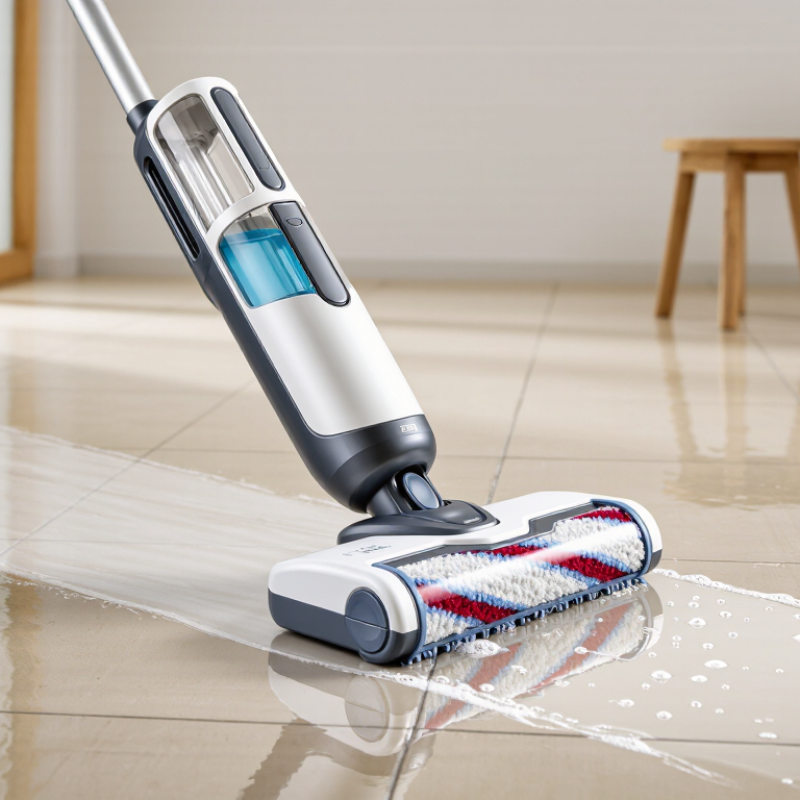
What Is an Electric Floor Mop?
An electric floor mop is a powered cleaning appliance that combines motorized movement with a damp pad, spray system, or suction function. Unlike a traditional mop, it uses electricity to rotate, vibrate, or guide the cleaning head across hard floors. Some models only mop, while others vacuum loose crumbs before wiping.
Its operation is simple but not magical. A rechargeable battery powers a small motor. The motor drives microfiber rollers or oscillating pads, while a water tank releases controlled moisture. The pad lifts softened dirt from surfaces such as tile, sealed wood, and vinyl. Combination machines may collect dirty water in a separate tank, reducing contact with used liquid.
Market data shows why this category is growing. Grand View Research valued the global floor cleaning machines market at about USD 5.7 billion in 2023 and projected continued growth through 2030. Euromonitor International’s 2024 home-care analysis also highlights convenience and time-saving as major household purchase drivers. Still, an electric mop does not replace every cleaning method. Heavy grease may need spot treatment, and excessive water can damage poorly sealed flooring. In my experience, the floor dries faster with controlled spray, but the result depends heavily on pad condition and maintenance. That part is easy to underestimate.
How Does an Electric Floor Mop Work?
An electric floor mop uses a small motor, water system, cleaning pad, and rechargeable battery. When powered on, the motor spins or vibrates the pad against the floor. A pump may release a controlled spray ahead of the pad. Some models also create suction, collecting dirty water into a separate tank.
The process is more mechanical than it looks. Friction loosens dried particles, while moisture softens greasy marks. The pad then captures the loosened soil. Sensors can adjust water flow or detect resistance, but they are not perfect. Thick residue may still need a slower pass. That matters.
The U.S. Department of Energy explains that appliance energy use depends on wattage and operating time. A 150-watt mop running for 30 minutes consumes about 0.075 kilowatt-hours. This is a modest figure, although charging losses add some consumption. The International Electrotechnical Commission’s IEC 60335-2-10 standard addresses safety requirements for floor-treatment machines, including electrical and mechanical risks.
In practical use, technique remains important. Use less water on wood or unsealed surfaces. Empty the recovery tank after cleaning, or odors can develop. A 2024 report from the U.S. Environmental Protection Agency also emphasizes controlling indoor contaminants at their source. An electric mop may remove visible soil, but it cannot replace ventilation or proper spill treatment. Its convenience is real. Its cleaning power still depends on the floor, pad condition, water level, and the user’s pace.
| Data Dimension | Typical Feature or Fact | How It Works or Why It Matters | Practical Consideration |
|---|---|---|---|
| Definition | An electric floor mop is a powered cleaning appliance designed to wash hard floors. | It uses an electric motor to drive one or more cleaning pads, rollers, or brushes instead of relying only on manual scrubbing. | It is mainly intended for sealed hard surfaces rather than carpets. |
| Power Source | Models are either corded or powered by a rechargeable battery. | Corded units receive continuous electricity from a wall outlet, while cordless units store energy in a battery. | Cordless designs offer greater mobility but require charging between uses. |
| Cleaning Mechanism | Common mechanisms include rotating pads, oscillating heads, and powered brush or roller systems. | The motor creates repeated movement that loosens and lifts soil more consistently than a stationary mop head. | The mechanism should match the floor type and the level of cleaning required. |
| Water Delivery | Many electric mops use a small clean-water tank or an integrated spray system. | Water or cleaning solution is released onto the floor or cleaning pad in a controlled amount. | Using too much liquid can leave residue or expose moisture-sensitive flooring to unnecessary water. |
| Dirt Removal | Some models wipe dirt into a reusable pad, while others collect liquid and debris in a separate recovery tank. | A pad-based design traps soil in the fabric; a wet-dry design can use suction or a rotating roller to transfer dirty water into a waste container. | A recovery tank can reduce the need to push dirty water across the floor, but it adds components to clean. |
| Floor Compatibility | Typical suitable surfaces include sealed tile, vinyl, linoleum, laminate approved for damp cleaning, and sealed wood. | The appliance applies mechanical cleaning and limited moisture to a hard, non-porous or properly sealed surface. | Always follow the flooring manufacturer's care instructions, especially for wood and laminate. |
| Cleaning Pads | Pads may be made from microfiber, textile blends, or other washable materials. | The fibers absorb liquid and capture fine particles while the powered head agitates the surface. | Pads should be washed or replaced regularly to prevent spreading collected dirt. |
| Brush or Roller | Wet-dry models commonly use a soft roller or brush designed to contact the floor continuously. | The moving roller combines agitation with liquid pickup and can help collect wet debris. | Hair and fibers can wrap around moving parts, so routine removal is important. |
| Controls | Basic controls generally include power, spray, cleaning mode, or suction settings. | Controls allow the user to regulate motor operation and, on some models, the amount of water or cleaning intensity. | A lower-moisture setting is useful for floors that should not remain wet for long. |
| Operating Process | The normal sequence is fill, power on, apply or distribute moisture, move across the floor, and empty or wash components. | The motor agitates the surface while the pad or roller captures loosened soil. | Large loose debris is usually best removed before wet mopping to reduce clogging and streaks. |
| Drying Result | Electric mops generally leave less standing water than traditional soaking methods when used correctly. | Controlled liquid delivery and, in some designs, liquid recovery reduce the amount of moisture left behind. | The floor may still need ventilation or a short drying period, particularly after heavy cleaning. |
| Maintenance | Routine care may include rinsing pads, emptying tanks, cleaning filters, and checking the brush or roller. | Removing trapped dirt and moisture helps maintain cleaning performance and limits odor buildup. | Parts should be allowed to dry according to the appliance instructions before storage. |
| Safety | Electrical components should be kept dry, and the appliance should be used only as directed. | Water is managed through designated tanks and channels rather than being allowed to reach the motor or charging system. | Do not immerse the main electrical body or use a corded appliance near standing water. |
| Main Benefit | It combines powered agitation with mopping in a single cleaning process. | The motor reduces manual scrubbing effort and can provide more consistent movement across the floor. | Performance depends on the floor condition, cleaning head, liquid amount, and maintenance. |
| Main Limitation | It requires charging or access to an outlet and regular cleaning of its washable or removable parts. | Powered components add operating and maintenance requirements compared with a conventional mop. | It may not be suitable for unsealed floors, deep grout contamination, or surfaces that cannot tolerate moisture. |
What Are the Main Components of an Electric Floor Mop?
An electric floor mop combines water, motion, and suction in one compact machine. Its main components determine cleaning performance and safety. The rechargeable battery supplies direct current to the motor and control board. Most modern models use lithium-ion cells because they provide strong energy density with manageable weight. The motor drives a rotating roller or brush, while a small pump releases clean water onto the floor. A separate recovery tank collects dirty liquid, hair, and loose particles.
According to the International Energy Agency’s Electric Motors and Systems report, motors consume about 40% of global electricity. That figure explains why motor efficiency matters, even in a small household appliance.
The roller cover controls contact with tile, wood, or sealed stone. A scraper removes excess moisture before the suction channel pulls liquid away. Sensors can detect tank levels, brush resistance, and charging status. The circuit board coordinates these signals.
In real homes, this system is less perfect than product diagrams suggest. Sensors may react poorly to foam, thick dust, or uneven flooring. Filters also need regular cleaning. A blocked filter can reduce airflow and leave visible wet lines. Reports from the U.S. Department of Energy consistently identify maintenance as a practical factor in appliance efficiency, although floor-mop conditions vary widely.
Tips:
- Empty the recovery tank after each use.
- Rinse the filter and roller separately.
- Do not overfill the clean-water tank.
- Check the floor material first.
- A delicate surface may need less water and slower movement.
- Recharge the battery before storage, but avoid storing the mop while wet.
Which Floor Types Can an Electric Floor Mop Clean?
An electric floor mop combines powered brushes or rollers with water control to loosen and collect everyday dirt. Its best results usually appear on sealed hard floors, where moisture cannot easily enter the surface. Ceramic tile, porcelain tile, sealed vinyl, and many sealed laminate floors are generally suitable. The machine can remove footprints, dried spills, and fine dust more evenly than a traditional wet mop.
Sealed hardwood may also be cleaned, but only with limited water and gentle settings. Too much moisture can reach joints, swell boards, or damage the finish. Natural stone needs extra care because polished, porous, or waxed surfaces may react poorly to water or cleaning solutions. Unsealed wood, damaged laminate, cork, and floors with peeling coatings are usually poor choices. Carpet is not the normal target, even when the mop has strong suction. It may leave the fabric wet and create unpleasant odors.
Tips: Check the floor-care guide before cleaning. Test one hidden area first. Use a small amount of water, especially on wood and laminate. Keep the mop moving instead of leaving it parked on one spot. A clean roller matters more than many users expect. Grit can scratch delicate finishes. I have found that slower passes lift sticky marks better, but excessive pressure can spread dirty water. Let the floor dry naturally, and inspect seams afterward.
How Should You Use and Maintain an Electric Floor Mop?
An electric floor mop combines motorized scrubbing with liquid dispensing and suction or wiping action. Its rotating pad loosens dried spills while the cleaning head collects moisture. Unlike a traditional mop, it needs power, charging, and routine care to work safely.
Use it on loose dirt first. The U.S. Environmental Protection Agency reports that indoor pollutant levels can be two to five times higher than outdoor levels, so vacuuming dust before mopping is sensible. Fill the clean-water tank only to its marked line. Use the recommended cleaning solution, and avoid excess foam. Move slowly in overlapping passes, especially around grout and kitchen edges. Do not leave standing water on wood or unsealed floors. I sometimes move too quickly. That leaves dull, wet tracks.
Maintenance decides whether the machine stays hygienic. A 2023 report from Grand View Research identifies growing demand for powered floor-cleaning equipment, but household performance still depends on care. Empty the dirty-water tank after every session. Rinse the roller, tray, and recovery path under clean water. Let each part dry separately before reassembly. A damp roller can develop an unpleasant odor. Check the filter weekly, or more often in homes with pets. Remove tangled hair from the brush by hand, with the machine unplugged. Charge the battery according to the manual, rather than leaving it permanently connected. Inspect seals and wheels monthly. Small leaks are easy to miss.
What Is an Electric Floor Mop and How Does It Work?
An electric floor mop uses a motor-driven roller or pad to loosen dirt while dispensing clean water. Many models collect used water in a separate tank, helping reduce the amount of manual scrubbing required.
How Should You Use and Maintain an Electric Floor Mop?
Empty the dirty-water tank after each cleaning session, rinse the roller or pad, and allow washable parts to dry completely. Clean the filter about once a week and inspect seals, tanks, and the brush assembly monthly. These are general household guidelines; always follow the instructions supplied with your specific model.