What Is a Film Cutting Machine Used For?

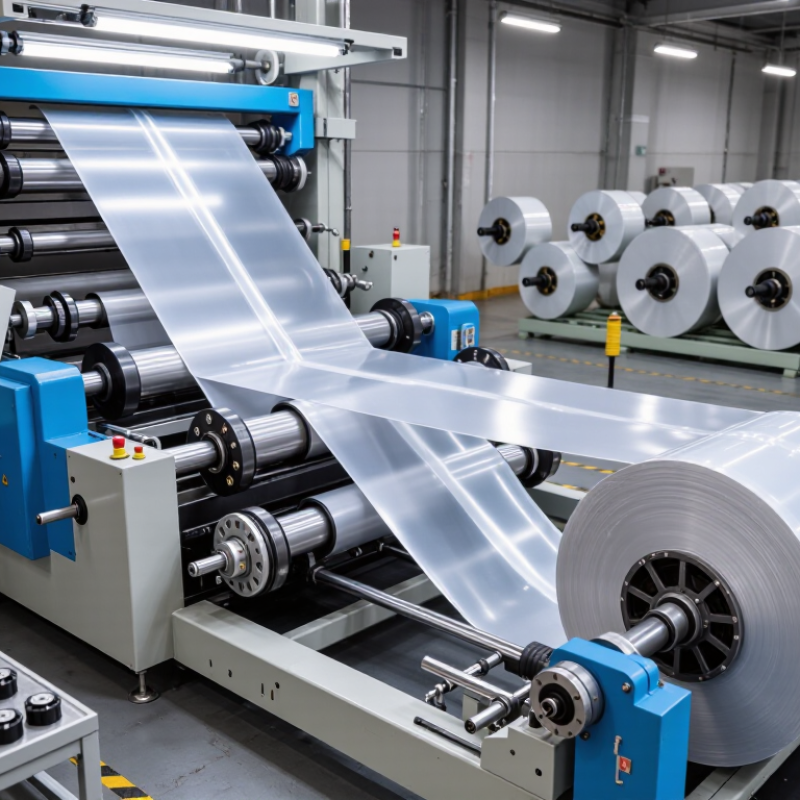
A Film Cutting Machine turns wide rolls or sheets of film into narrower, accurately sized pieces for packaging, labels, protective layers, and other converting tasks. It may use rotary blades, shear knives, or laser systems, depending on the material and required finish. Operators adjust web tension, blade position, and feed speed to limit wrinkles, drifting edges, and unwanted stretching. Even a small setup error can leave a long roll unusable.

Web-handling specialist David R. Roisum is known for his work on web stability and tension control. A practical shop-floor principle that reflects those concerns is: “A clean cut begins with a stable web.” This is a summary, not a direct quotation from Roisum. It points to a detail that is easy to overlook: the blade cannot compensate for film that wanders or sags.

The sections ahead explain how cutting machines work, which materials and applications they serve, and what buyers should check before choosing equipment. They also consider blade wear, setup time, and cut consistency. Numbers on a specification sheet matter. So does a real production trial. Film behavior can vary with thickness, coating, and temperature, and this introduction cannot replace testing with the actual material. A tidy edge is useful, but it is not the whole story.
What Is a Film Cutting Machine Used For?

Film Cutting Machines in Flexible Packaging: Core Functions and Materials

In flexible packaging, a film cutting machine converts wide master rolls into narrower rolls or sheets ready for printing, sealing, or pouch production. It slits the web to specified widths, trims uneven edges, and rewinds finished rolls for downstream use. Some lines also cut film to length. Small errors matter.

Common materials include polyethylene (PE), polypropylene (PP), BOPP, and PET films. Packaging structures may combine several layers, such as PET bonded to PE, or include a thin aluminum layer. Each material behaves differently under tension and at the blade. A soft PE web can stretch, while a brittle laminate may form rough edges if the blade or settings are unsuitable. There is no universal setup.

Operators control web tension, blade position, and rewind pressure to keep cuts straight and rolls stable. They may inspect edge quality, roll hardness, and width during production, not just at the end. A cut can look clean yet create waste if the roll telescopes or the film wrinkles later. That issue is easy to underestimate. Material thickness, coating, and adhesive layers can all affect results, so trial runs and measured adjustments are often more reliable than assumptions.

Slitting and Rewinding: Converting Wide Rolls into Narrow Film Webs

A film cutting machine, often called a slitter rewinder, converts a wide parent roll into narrower film webs. It cuts the material lengthwise, then winds each strip onto a separate core. Operators choose blade type and spacing to match the film and target width. They also control tension: too much can stretch thin film, while too little can create loose, uneven rolls.

The Flexible Packaging Association’s 2023 State of the U.S. Flexible Packaging Industry report put U.S. industry sales at $42.5 billion in 2022. That scale helps explain why consistent converting matters. Slitting defects can travel downstream, causing wrinkles, uneven edges, or trouble on a packaging line. A neat-looking edge is not always a good edge. Inspection under steady lighting can reveal burrs or telescoping that a quick glance misses.

Tips: Confirm roll width, core size, and winding direction before setup. Run a short trial and check both edges. Record tension and blade settings for repeat jobs, but verify them again when film thickness changes. Small details matter.

How slitting and rewinding converts film rolls

In this example, a 1,200 mm-wide master roll is slit into six 200 mm-wide film webs. The output widths add up to the original width; actual setups may also include trim.

Sheeting and Cross-Cutting: Producing Film at Specified Lengths

A film cutting machine turns a continuous roll into sheets or lengths matched to a production need. In sheeting, feed rollers move the film forward, and a cross-cutting blade cuts across its width. The programmed feed distance sets each piece’s length. This is useful for packaging liners, protective layers, and other materials supplied in repeatable sizes. Clean edges matter. Uneven cuts can make sheets harder to stack or handle.

Length accuracy depends on more than the machine setting. Film tension, roller grip, material stretch, and blade condition can all affect the result. Operators often check several cut pieces with a ruler or measuring gauge, then adjust the feed or tension if needed. A thin film may shift slightly during cutting. Even a tidy setup can drift over a long run, so occasional checks are worthwhile. The achievable tolerance depends on the material and equipment.

Tips: Load the roll evenly and keep the film path free of wrinkles. Test a short run before full production. Measure pieces from different points in the run, not just the first cut. If lengths vary, inspect roller pressure and blade sharpness before changing several settings at once. Small adjustments are easier to evaluate.

Die Cutting: Forming Repeatable Shapes for Labels and Components

A film cutting machine uses a shaped die to cut film into consistent forms. In die cutting, the tool presses through or partly into the material, depending on the required finish. This process can produce label outlines, small insulating pieces, protective layers, and other flat components. The die sets the shape; machine settings help control cut depth and alignment. That matters.

For labels, repeatable cuts keep edges even across a production run and can make parts easier to peel or place. For components, accurate shapes help pieces fit their intended spaces. Results depend on film thickness, adhesive, die condition, and machine setup. A sample run can reveal issues such as lifted edges or incomplete cuts before more material is processed. Still, even a careful setup may need adjustment when the material changes.

Tips: Check a few samples under normal lighting, and measure critical edges with suitable tools. Record the material and settings for future runs. If a cut looks clean but the liner is damaged, the depth may need revisiting. Small details count.

What Is a Film Cutting Machine Used For? - Die Cutting: Forming Repeatable Shapes for Labels and Components

Application Typical Materials Cutting Operation Resulting Shape or Feature Quality Checks
Pressure-sensitive labels Face stock, adhesive, and release liner Kiss cutting cuts the label material while leaving the liner intact. Repeatable label outlines, including rounded corners and custom profiles. Check cut depth, edge quality, spacing, and that the liner remains uncut.
Adhesive gaskets and seals Foam, rubber, or adhesive-backed film Through cutting separates the gasket from the surrounding sheet or roll. Consistent openings, profiles, and outer dimensions for assembly. Inspect dimensions, internal cutouts, material compression, and clean separation.
Protective display films Polyester or other flexible polymer film with a liner Die cutting forms the perimeter and may create openings or notches. Protective pieces shaped to fit a panel or product surface. Verify fit, edge cleanliness, alignment, and absence of unwanted creases.
Electrical insulation parts Insulating film, flexible sheet, or adhesive-backed material Flatbed or rotary die cutting produces profiles and functional apertures. Repeatable insulating shapes with slots, holes, or tabs. Check critical dimensions, hole position, burrs, and material damage.
Flexible shielding components Conductive fabric, foil, or laminated shielding material Die cutting trims the material to a defined outline; layering may be used for laminates. Components shaped for placement around openings, seams, or enclosure features. Inspect outline accuracy, layer alignment, and continuity where required by the design.
Packaging and presentation pieces Paper, coated paper, thin plastic film, or laminated sheet Cutting can be combined with creasing or perforating, depending on the tooling. Repeatable blanks, fold lines, tear lines, or shaped inserts. Check cut-through, crease position, perforation consistency, and folding performance.

Die cutting uses a shaped tool to produce consistent parts from sheet or roll materials. Suitable tooling, cutting method, and achievable tolerances depend on the material, thickness, layer structure, and part design.

Quality Control: ISO 4593 Thickness Measurement and ASTM D882 Testing for Films Under 1.0 mm

A film cutting machine helps prepare consistent specimens for quality control, but accurate results begin with thickness measurement. ISO 4593 describes a mechanical scanning method for measuring plastic film and sheeting. A calibrated gauge moves across the sample, revealing local variation rather than relying on one reading. Small differences matter.

For films under 1.0 mm, ASTM D882 is used to assess tensile properties. Cut specimens with clean, parallel edges; small nicks can become failure points during a pull test. Test samples in the machine direction and, where relevant, across the web. Record thickness, specimen width, gauge length, and test conditions so results can be compared fairly.

A practical routine pairs measurements from several film locations with tensile tests on carefully prepared strips. If one region is thicker, its strength readings may not represent the whole roll. That is easy to overlook. Cutting quality also deserves attention: a sharp blade and steady feed help reduce edge damage. Still, no procedure removes every source of variation, so operators should note unusual breaks and repeat questionable tests.