What is Indoor WPC Wall Panel Benefits and Uses?
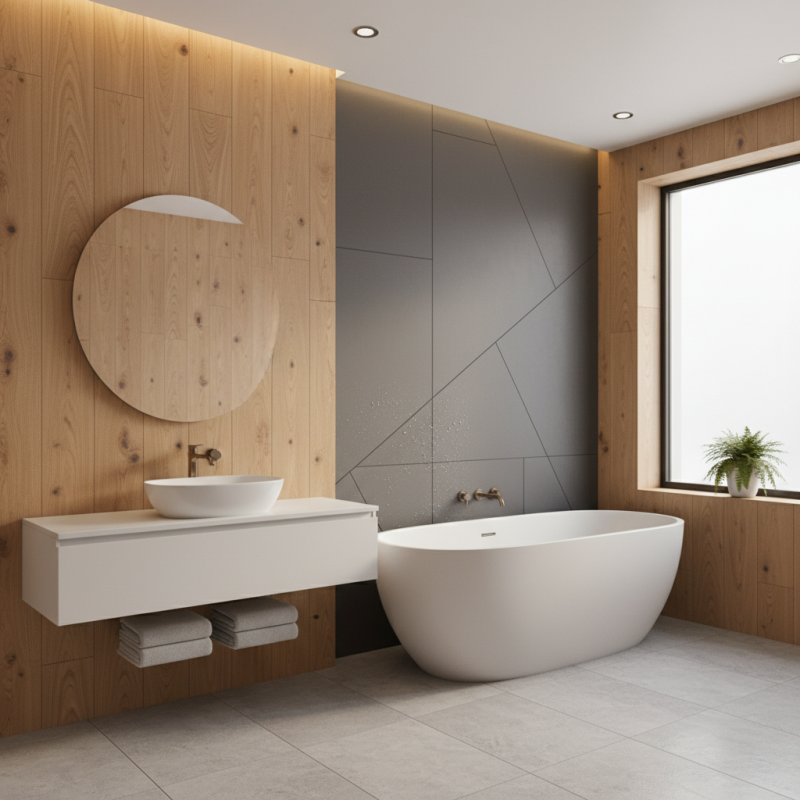
Indoor wpc wall panel has become a popular choice for modern interiors. These panels combine aesthetics with functionality, providing an excellent solution for both residential and commercial spaces. Made from wood-plastic composites, they offer the warmth of wood while resisting moisture and pests. This makes them ideal for places with high humidity, such as bathrooms and kitchens.
The benefits of indoor WPC wall panels extend beyond durability. They are easy to install and require minimal maintenance. Unlike traditional wood panels, they do not warp or fade easily. Their variety of textures and colors allows for creative design options, enhancing the overall look of a room. Additionally, WPC panels provide good insulation, helping to regulate temperature and reduce energy costs.
While there are many advantages, it's essential to consider the specific needs of your space. Indoor WPC wall panels may not be the best option for every design scenario. Careful planning and selection are crucial to ensure they align with your vision. Balancing style, functionality, and sustainability can lead to a successful interior transformation.
Benefits of Indoor WPC Wall Panels for Modern Interiors
Indoor WPC (Wood Plastic Composite) wall panels are transforming modern interiors. They combine the warmth of wood and the durability of plastic. This fusion offers unique advantages for homeowners and designers alike. WPC panels resist moisture and insect damage, making them ideal for various settings. They are perfect for high-traffic areas, such as living rooms and hallways.
One of the key benefits of WPC wall panels is their aesthetic flexibility. Available in various designs and colors, they can easily match different decor styles. You can create a cozy rustic feel or a sleek modern look. Furthermore, these panels are lightweight, which simplifies installation. However, some may question their long-term durability compared to traditional wood.
Another important aspect is maintenance. WPC panels require minimal upkeep. A simple wipe with a damp cloth usually suffices. They do not need painting or staining like natural wood. This can save time and effort. On the downside, the initial investment may be higher than traditional options. Nonetheless, the longevity and low maintenance arguably balance the cost.
Durability and Maintenance Advantages of WPC Wall Panels
WPC wall panels offer remarkable durability that makes them a preferred choice for indoor applications. Unlike traditional materials, WPC panels resist moisture, which is crucial in areas prone to humidity. Their composite structure, blending wood and plastic, enhances strength and longevity. These panels withstand impacts better than conventional wood, making them suitable for high-traffic areas.
Maintenance is another key advantage. WPC panels require minimal upkeep compared to wood. A simple wipe with a damp cloth can restore their original luster. This low-maintenance requirement is attractive to homeowners and businesses alike. However, some users may find that the surface scratches over time. Regular cleaning helps mitigate this issue, yet deeper scratches can be more challenging to address.
Installation is straightforward, further adding to their appeal. They can be cut and mounted with standard tools, making it easy for DIY enthusiasts. It’s essential to ensure proper sealing during installation to maximize longevity. Despite these strengths, users should be aware of potential thermal expansion. As temperatures fluctuate, slight warping can occur. Understanding these factors is crucial for optimal performance.
Eco-Friendly Attributes of WPC Wall Panels Compared to Alternatives
WPC wall panels offer a range of eco-friendly benefits. Made from recycled wood and plastic, they significantly reduce waste. This composite material minimizes the need for timber. Consequently, it helps preserve forests and natural resources. In contrast, traditional wood panels often result in deforestation. By choosing WPC, consumers can contribute to sustainability.
Additionally, WPC panels are more durable than many alternatives. They resist moisture, mold, and warping. This longevity means less frequent replacements, which, in turn, reduces the environmental footprint. Even so, the manufacturing process does use energy. While the impact is lower than that of conventional materials, there is room for improvement in energy efficiency.
The aesthetic versatility of WPC wall panels is another advantage. They can mimic natural wood without harming the environment. Custom colors and patterns allow for personalized design. As the market evolves, ongoing assessments of environmental impact are crucial. While WPC panels present many benefits, awareness of their full lifecycle is essential. This ensures that they remain a beneficial choice for eco-conscious consumers.
Cost Analysis: Long-Term Savings from WPC Wall Panels
Indoor WPC wall panels are gaining traction for their numerous benefits. One significant aspect to consider is the cost analysis regarding long-term savings. According to industry reports, WPC panels can reduce maintenance costs by up to 60% over time. This reduction is primarily due to their durability and resistance to moisture, mold, and warping.
The installation of WPC wall panels typically costs more upfront compared to traditional materials. However, the long-term savings emerge from lower repair and replacement expenses. A study by an independent construction analysis firm suggests that buildings utilizing WPC wall panels report a 30% decrease in overall lifecycle costs. This factor can lead to substantial financial benefits for homeowners and construction companies.
Additionally, WPC panels offer superior thermal insulation, potentially lowering heating and cooling costs by 20-30%. While these figures appear promising, it is important to reflect on the initial investment and weigh it against future savings. Making an informed decision requires analyzing local market conditions and individual project needs. Not every project will achieve the same savings, which calls for careful consideration of your specific situation.
Popular Applications of Indoor WPC Wall Panels in Residential and Commercial Spaces
Indoor WPC (Wood Plastic Composite) wall panels have gained popularity in both residential and commercial spaces. These panels combine wood fibers with plastic, creating a durable and moisture-resistant solution. Reports indicate that WPC wall panels can last over 20 years in indoor environments. They are particularly favored for their aesthetic appeal and functional benefits.
In residential applications, WPC wall panels can enhance living rooms, kitchens, and bedrooms, providing a warm and inviting atmosphere. They come in various designs and colors, allowing for personalized interiors. Commercial spaces, such as offices and retail stores, utilize WPC panels for their ease of maintenance and resistance to wear. A study by the National Institute of Building Sciences highlights that WPC materials can reduce maintenance costs by up to 30%.
Tips: Consider the environmental impact when choosing materials. WPC panels can be more sustainable as they use recycled materials. Also, assess your space's humidity levels. Some WPC options perform better in high-moisture settings.
Attention to detail matters. Installation must be precise to avoid gaps or warping. Each room's design should incorporate lighting and layout that complements the WPC’s texture. Reflect on how different finishes can alter a room's atmosphere.
