Red Light Therapy Tips for Optimal Health Results?
Red Light Therapy has gained popularity for its potential health benefits. This innovative treatment uses specific wavelengths of light to enhance cellular function. Many users report improvements in skin health, mood, and overall wellness. However, understanding how to maximize these benefits is crucial.
To achieve optimal results with Red Light Therapy, it's essential to follow some key tips. Choosing the right device matters. Not all devices are created equal. Consider factors like wavelength, intensity, and exposure time. Users should also maintain a consistent routine. Missing sessions can hinder progress.
Listening to your body is vital. Some may experience side effects or discomfort, which should not be ignored. Reflection on your personal experiences can lead to better outcomes. Prioritizing safety and quality in your Red Light Therapy journey will ensure the best possible results. Stay informed and enjoy the benefits this therapy has to offer.
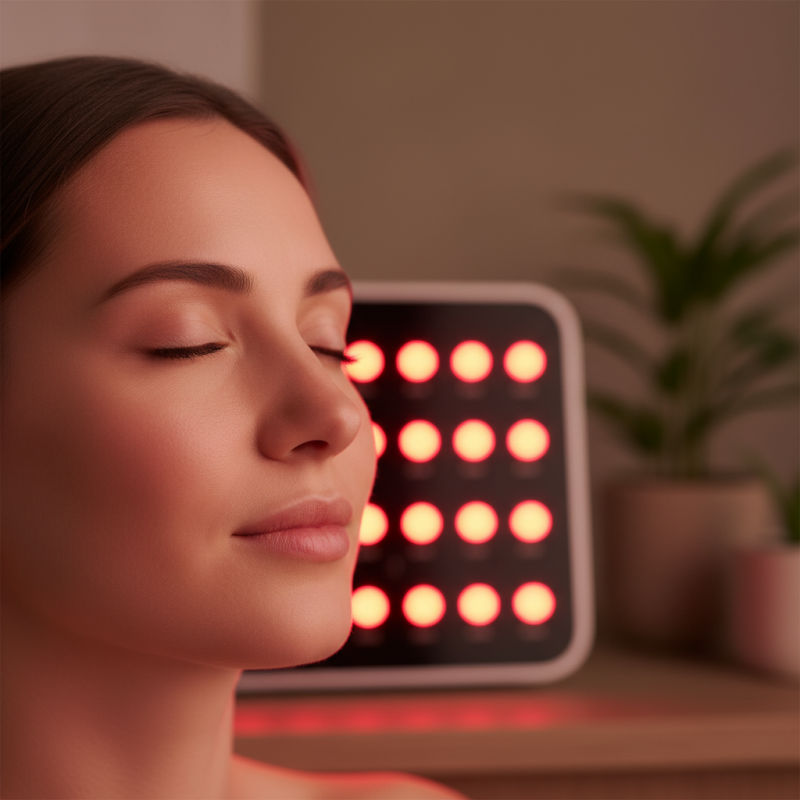
Understanding Red Light Therapy: A Brief Overview
Red light therapy, or RLT, utilizes low-wavelength light to improve health. This therapy penetrates the skin, potentially stimulating cellular repair and regeneration. It may reduce inflammation and promote faster healing. Many users report feelings of relaxation during sessions, which can be a notable benefit.
In recent studies, RLT shows promise for various conditions. Some research suggests it aids in wound healing and reduces pain. However, not all results are consistent. Personal experiences can vary widely. It’s crucial to approach this therapy with realistic expectations. Some users may notice minimal or no improvement initially.
When considering RLT, a consultation with a healthcare professional is essential. They can guide you based on your individual health needs. Regular use may enhance results, but frequent use may not be suitable for everyone. Understand that not every method works universally. Each individual might respond differently to red light therapy.
The Science Behind Red Light Therapy and Its Health Benefits
Red light therapy involves the use of specific wavelengths of light, typically ranging from 600 to 1000 nanometers. Research shows that these wavelengths penetrate the skin, influencing cellular functions. Clinical studies note that red light therapy can enhance healing by promoting cell revitalization and reducing inflammation. A report from the Journal of Photomedicine and Laser Surgery outlines that up to 70% of patients experience improvement in pain relief and skin rejuvenation after consistent treatments.
For optimal results, consider timing your sessions. Research suggests that 10-20 minutes per treatment, a few times a week, is ideal. This duration minimizes fatigue and maximizes benefits. Also, consistency is key; regular exposure is crucial for sustained health improvements. Experiment with your setup to find what feels comfortable and effective for you.
Be mindful of your environment. Make sure the area is free from distractions. This helps you focus during your therapy sessions, enhancing the overall experience. Take note of how your body responds. Some may feel energized, while others notice fatigue. This reflection can guide your future treatments, promoting a more personalized approach to your health journey.
Essential Tips for Choosing the Right Red Light Therapy Device
Choosing the right red light therapy device is crucial for achieving optimal health results. Start by considering the wavelength of the light. Devices typically range from 600 to 1000 nanometers. For skin issues, look for devices closer to 600-650 nm. If you're targeting deeper tissues, aim for 800-850 nm.
Another essential tip is to understand the size of the treatment area. Smaller devices can be great for localized pain or specific areas, but larger panels are ideal for full-body treatments. Evaluate your needs and space before purchasing.
Pay attention to the device's power output. Higher power means quicker and more effective treatment sessions. However, keep in mind that higher wattage can also lead to heat production, which might require cooling breaks during use. Additionally, read user reviews and research clinical studies to ensure the device's effectiveness. Each person may respond differently, so track your progress and adjust usage as needed.
Best Practices for Incorporating Red Light Therapy into Your Routine
Integrating red light therapy into your wellness routine can yield impressive health benefits. Studies indicate that red light therapy can improve skin texture and reduce inflammation. One survey from the Journal of Photochemistry and Photobiology reported that consistent use can enhance collagen production by up to 30%. Clearly, maintaining regular sessions is crucial.
To maximize results, aim for sessions lasting between 10 to 20 minutes. This duration is optimal for absorption without overexposure. Using it on clean skin helps enhance its effectiveness. Layering serums or moisturizers can further amplify the effects of the therapy. If you're unsure about how often to use it, consult with a healthcare professional who specializes in light therapy.
Listening to your body is key. Some people may experience mild redness or discomfort after treatment. This could indicate that you're using the device too frequently or at too high an intensity. Take notes on your experience to fine-tune your routine. Ultimately, adapting your approach based on personal responses ensures you reap the maximum benefits of red light therapy.
Safety Considerations and Potential Side Effects of Red Light Therapy
Red Light Therapy has gained popularity for its health benefits and applications. However, safety considerations are crucial before starting any new treatment. It is essential to understand how this therapy works to ensure safe usage. Red light penetrates the skin, promoting healing and reducing inflammation. Yet, the depth of penetration can vary based on individual skin types.
Some users report mild side effects like skin irritation or redness. These reactions may occur due to skin sensitivity or excessive exposure. Protective eyewear is often recommended. Light sensitivity can vary; users should start with shorter sessions and gradually increase their time.
Consulting a healthcare professional is advisable to assess individual conditions. They can provide tailored recommendations, ensuring effective use. While many find benefits, it's essential to monitor any adverse reactions closely. Awareness of these factors can lead to a safer experience with Red Light Therapy.
Red Light Therapy Effects Over Time
The bar chart above illustrates the perceived benefits of red light therapy over various durations. As therapy progresses from 1 to 12 weeks, improvements in pain relief, skin appearance, and fat loss percentage are evident, showcasing the potential of red light therapy for optimal health results.
