Best Tips for Choosing Solar Lights for Garden Spaces?
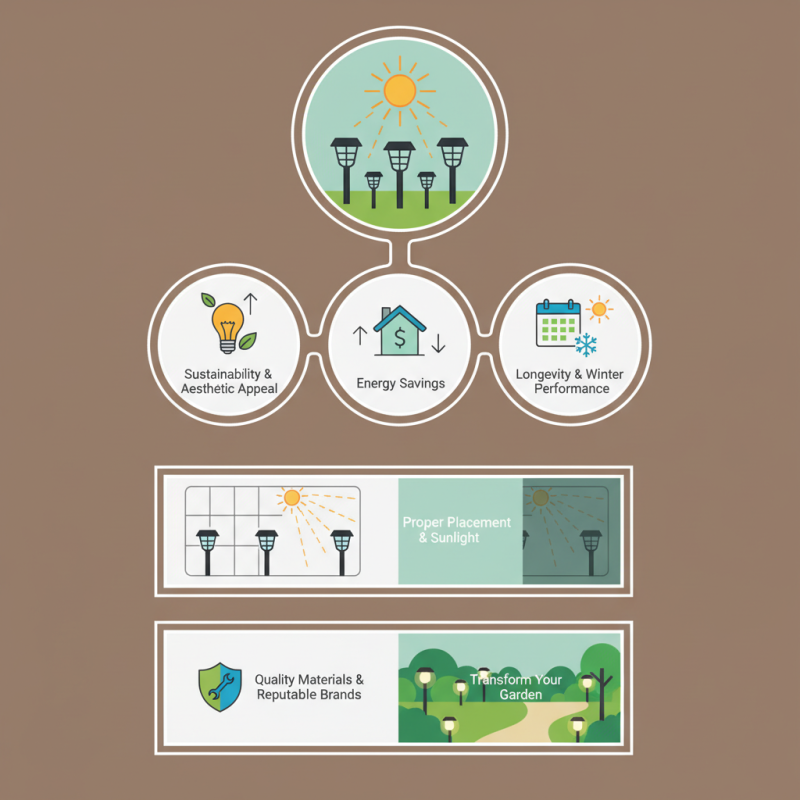
Choosing the right solar lights for garden spaces can be overwhelming. With numerous options available, what factors should you prioritize? According to a recent industry report, the demand for solar lighting solutions has surged by 25% in the last year. Homeowners are increasingly conscious of sustainability while seeking aesthetic appeal in their gardens.
Solar lights for gardens not only enhance outdoor beauty but also contribute to energy savings. Research indicates that well-placed solar lights can reduce electricity costs by up to 75%. Yet, it’s crucial to understand the different types and their features. For instance, some models may not provide sufficient brightness or longevity during winter months.
Many consumers overlook the importance of proper placement and spacing. Solar lights require direct sunlight to function efficiently, and inadequate exposure can lead to disappointing performance. By prioritizing quality materials and reputable brands, you can avoid common pitfalls. Investing time in selecting the right solar lighting can transform your garden into a captivating space while supporting an eco-friendly lifestyle.
Understanding the Benefits of Solar Lights for Garden Spaces
Solar lights can transform garden spaces in remarkable ways. They are eco-friendly and harness energy from the sun. This renewable energy source is not only sustainable but also cost-effective in the long run. Many homeowners enjoy the freedom of reducing electricity bills. This makes solar lights an attractive option for outdoor illumination.
One of the main benefits of solar lights is their ease of installation. There’s no need for complicated wiring. You simply place them where you want light. However, this simplicity can sometimes lead to poor placement choices. If not positioned correctly, they may not receive enough sunlight. Also, the light output can vary based on the location and weather conditions.
Solar lights add charm and safety to garden spaces. They illuminate pathways, enhance landscapes, and create inviting atmospheres. But they often require maintenance to function optimally. Dirt and debris can block solar panels, reducing their effectiveness. Regular cleaning is necessary to ensure consistent performance. These details remind us that while solar lights bring beautiful benefits, attention and care are essential for maximizing their potential.
Factors to Consider When Choosing Solar Lights for Your Garden
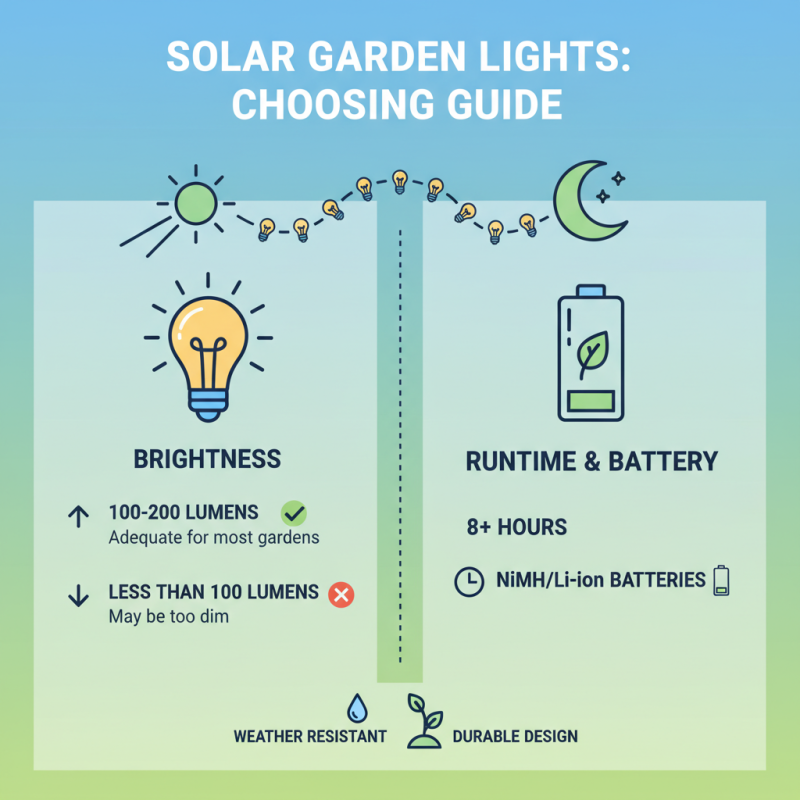
When selecting solar lights for your garden, several factors warrant attention. The first consideration is brightness, measured in lumens. According to industry reports, most solar garden lights emit between 10 to 200 lumens. For pathways, lights of 50 to 100 lumens suffice, creating a warm ambiance without overwhelming glare.
Battery capacity is crucial too. Many solar lights utilize lithium-ion batteries, which can last longer and charge faster. However, not all systems are created equally. A light with a smaller battery may fail on cloudy days. It's also wise to think about the placement. Lights should be positioned where they can receive ample sunlight. Some might overlook the importance of this, resulting in dim lighting at night.
Choosing the right design enhances your garden aesthetics. Solar lights come in various styles, from modern to vintage. Ensure the design complements your existing landscape. Opt for durable materials. Weatherproofing is essential. Look for lights rated for outdoor use. Many products lack proper hydrostatic pressure resistance, leading to potential failures.
Consider these factors before making your purchase. Your garden deserves the best illumination.
Types of Solar Lights Suitable for Different Garden Areas
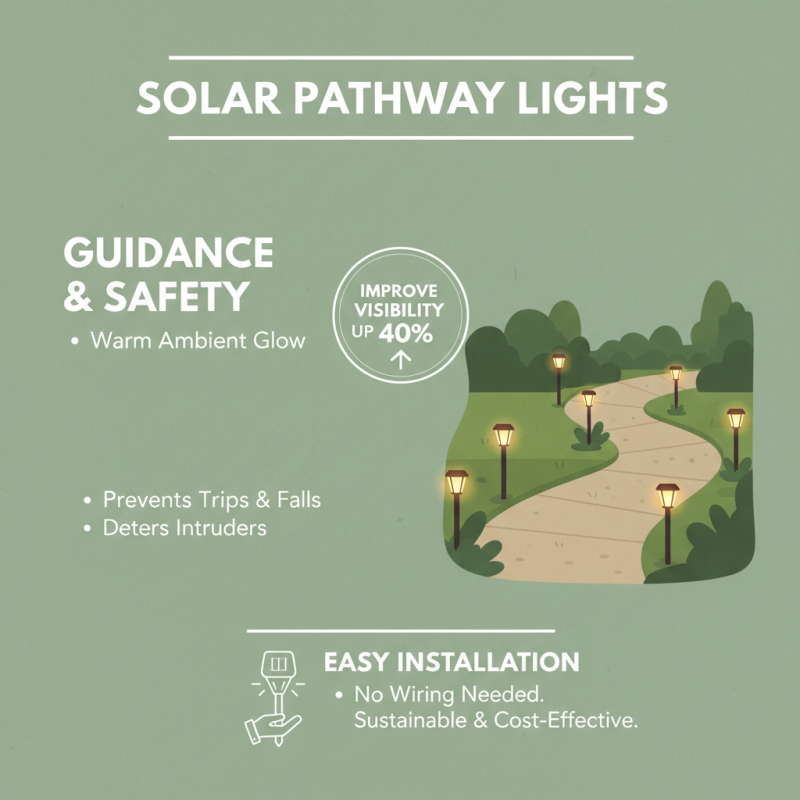
When selecting solar lights for garden areas, understanding the types available is crucial. Pathway lights provide guidance and enhance safety. They typically emit a warm glow, creating an inviting atmosphere. According to industry reports, pathway lights can improve visibility by up to 40%, making them a smart choice for garden paths and walkways.
For larger garden spaces, flood lights are essential. They can illuminate specific areas such as patios or seating zones. These lights often have adjustable brightness levels. In fact, brightness can vary between 100 to 800 lumens, catering to different needs. These lights can be quite energy-efficient but may require more initial investment.
Spotlights are perfect for accentuating garden features. Whether highlighting a sculpture or a tree, they direct light precisely where needed. Some users struggle to find the right angles for optimal effect. The right placement can make or break the overall look. Testing different positions is often necessary. Balancing illumination and shadows requires a bit of trial and error. This process may feel frustrating but leads to a more cohesive garden design.
Important Features to Look for in Quality Solar Garden Lights
When choosing solar lights for garden spaces, several important features can enhance your selection. Light brightness is crucial. Look for lumens ratings that suit your garden size. Generally, 100 to 200 lumens provide adequate illumination. Less than 100 lumens may not be enough.
Additionally, durability is essential. Ensure the lights are waterproof and weather-resistant. This helps them withstand rain, snow, and UV rays. Check materials, like stainless steel or durable plastic, that resist rust and corrosion. Solar panels should also be efficient. Larger panels absorb more sunlight, which means better performance on cloudy days.
Finally, consider design and functionality. Some lights offer adjustable brightness or motion sensors. These features can save energy when not much light is needed. A few designs might not match your garden's theme. It’s important to find a balance between functionality and aesthetic appeal. Remember, sometimes it’s best to test multiple lights to see what works.
Tips for Installation and Maintenance of Solar Garden Lights
When installing solar garden lights, choose a location that receives
plenty of sunlight. Without adequate sun exposure, the lights won't charge fully. Look for spots free from
shade. Positioning lights along pathways or in flower beds can enhance your garden’s aesthetic. Make sure
they’re placed at a height that prevents obstruction.
Regular maintenance is essential for the longevity of your solar lights. Clean the solar panel periodically
to remove dirt and debris. Dust can block sunlight, reducing efficiency. Check the battery life annually.
Sometimes, batteries don't hold a charge as expected. It may be time for a replacement if the lights
flicker or dim.
Reflect on the placement and functionality
of your lights. They should not only be beautiful but also practical. Occasionally, lights may get
knocked over or buried by plants. Pay attention to their condition and adjust accordingly.
Maintaining your garden lights will ensure they illuminate your outdoor space beautifully each night.