Top 10 Visual Art Graphic Design Suppliers Worldwide
Visual Art Graphic suppliers influence how ideas appear across packaging, campaigns, digital interfaces, and printed materials. Their work is visible in small details: a precise color match, clean type on a box, or artwork that remains sharp on a phone screen. Choosing a supplier, however, involves more than judging a polished portfolio. Production capacity, communication, file preparation, and quality control matter too.
Adobe’s 2022 Future of Creativity Study reported 165 million new creators worldwide over two years. It estimated a global creator population of 303 million. These figures describe creators broadly, not graphic-design procurement alone. They still point to a crowded, fast-moving creative landscape. Adobe’s numbers should not be mistaken for proof that every supplier offers the same skills or reliability. That distinction matters.
Paul Rand, the influential American graphic designer, wrote, “Design is the silent ambassador of your brand.” His observation captures why supplier selection deserves care: visual choices can shape how audiences read a brand before they encounter its message. This Top 10 overview considers suppliers through practical criteria, including service range, portfolio evidence, production reach, and fit for different project needs. No supplier is perfect. A strong studio may have limited capacity, while a large provider may feel less personal. The comparison is a starting point, not a substitute for checking current samples, timelines, and specifications. The gaps matter.
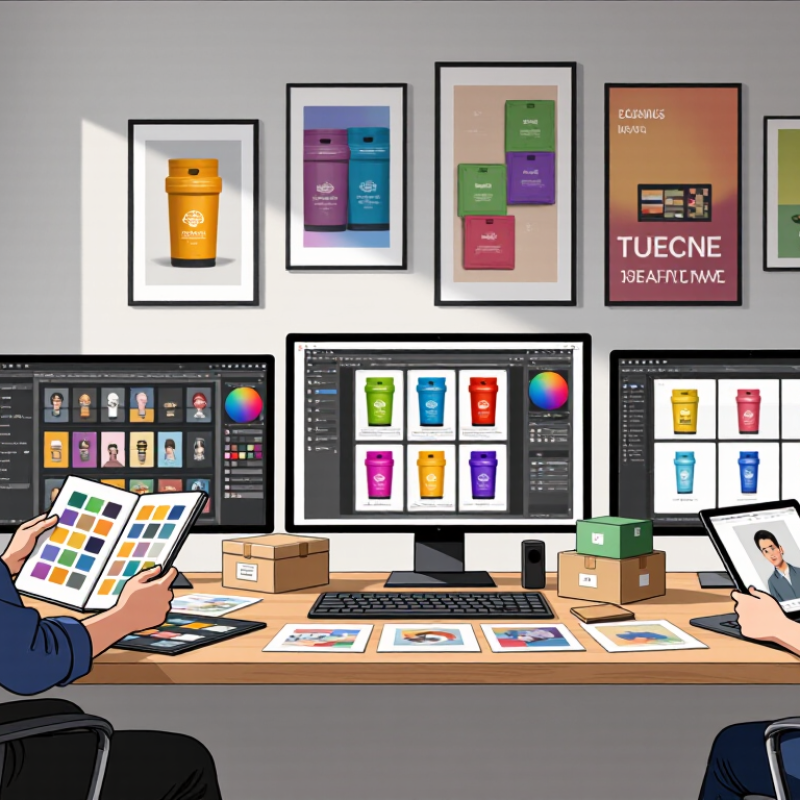
Scope and Definition of Visual Art Graphic Design Suppliers
Top 10 Visual Art Graphic Design Suppliers Worldwide
Scope and Definition of Visual Art Graphic Design Suppliers
Visual art graphic design suppliers are individuals or teams that create visual materials for communication, education, culture, or commerce. Their work may include illustration, posters, editorial layouts, infographics, packaging artwork, and digital graphics. Some suppliers develop concepts; others refine existing ideas into production-ready files. The scope depends on the brief. That distinction matters.
A supplier’s service can also cover revisions, file preparation, and coordination with print or digital production teams. Buyers should clarify what is included, such as editable files, image resolution, color specifications, delivery dates, and revision limits. A polished sample does not guarantee a suitable process. Ask how the supplier handles feedback and checks final artwork. The boundary between visual art and graphic design is not always neat, and project briefs can leave important details unstated. That is worth examining.
Tips: Share the intended audience, final format, and a few visual references before requesting a quote. Ask for a small sample of relevant work, then confirm deliverables in writing. Check that the proposed timeline includes review time. If the brief changes, pause and agree on the revised scope; otherwise, even a strong design can miss its purpose.
Top 10 Visual Art Graphic Design Suppliers Worldwide — Scope and Definition
A supplier-neutral view of one practical part of the field: preparing visual designs for standardized print formats.
Bars show the area of ISO 216 A-series sheets, calculated from their nominal dimensions and rounded to three decimal square metres. Visual art and graphic design suppliers may create or prepare assets for these print formats, alongside services such as illustration, layout, and digital design. This chart describes format standards, not supplier rankings.
Criteria for Evaluating Suppliers Worldwide
Evaluating visual art and graphic design suppliers worldwide requires more than comparing portfolio images. Ask for a recent production sample, color specifications, file-handling procedures, and a clear revision schedule. Check whether the same artwork holds detail across a screen proof, a printed sheet, and the final packaging. Color shifts matter. Confirm who approves proofs, what happens when a deadline slips, and whether quotes include shipping, setup, and rework. A low price can hide costly gaps.
Smithers estimated the global print market at about $834 billion in 2022, with growth projected to roughly $874 billion by 2027. That scale makes documented production capacity important, but a large operation is not automatically the right fit. Request references for work similar in material, size, and finish to yours. The World Economic Forum’s Future of Jobs Report 2025 projects that 39% of workers’ core skills will change by 2030. Ask suppliers how their teams maintain skills in prepress, color management, and workflow tools. Small details count.
Compare suppliers using a short, shared scorecard: sample quality, communication speed, delivery reliability, data security, and material sourcing. Ask for measurable evidence, such as defect rates or on-time delivery records, rather than broad promises. For overseas projects, test communication with one paid pilot and note how quickly questions receive useful answers. One weakness in this method: a pilot cannot reveal every production problem. I would still treat it as a better signal than a polished sales presentation.
Global Landscape of the Visual Art and Graphic Design Industry
Global visual art and graphic design production sits between creative judgment and dependable execution. Suppliers may provide illustration, layout, image preparation, print coordination, or digital asset support. Their work crosses regions, languages, and production methods. A poster designed for a narrow gallery wall has different needs from a campaign adapted for mobile screens. Small details matter.
Color is one example. A vivid screen image can appear muted on uncoated paper, while fine lines may disappear at small sizes. Skilled teams check proofs, image resolution, file formats, and local writing systems before delivery. These checks reduce avoidable rework, but they cannot guarantee that every audience will read an image in the same way. Context matters. So does access to clear feedback.
The worldwide supplier landscape is broad, yet not uniform. Some studios focus on hand-drawn artwork; others emphasize technical production, motion graphics, or scalable design systems. Buyers should compare portfolios, revision practices, timelines, and communication across time zones, not just quoted prices. Ask who checks final files and how changes are documented. A polished portfolio helps, but it shows selected outcomes, not every constraint behind them. Even careful workflows can miss something. That deserves reflection.
| No. | Supplier Segment | Typical Core Services | Common Delivery Model | Typical Buyers | Key Selection Consideration |
|---|---|---|---|---|---|
| 1 | Integrated Design Agencies | Brand identity, campaign concepts, digital and print design, and creative direction | Multidisciplinary teams working on project or retainer agreements; local and cross-border delivery | Organizations needing coordinated creative work across multiple channels | Range of capabilities, team availability, project governance, and consistency across deliverables |
| 2 | Brand Identity Studios | Logo systems, visual identity guidelines, typography, color systems, and brand applications | Strategy and design engagements, often followed by implementation support | New organizations, rebranding teams, and businesses updating their visual systems | Strategic process, originality, practical usage guidelines, and ability to support rollout |
| 3 | UI and UX Design Firms | User research, interface design, wireframes, interactive prototypes, and design systems | Embedded product teams, fixed-scope projects, or ongoing product-design support | Digital product teams, service providers, and organizations improving websites or applications | Research approach, accessibility practice, prototyping capability, and developer handoff |
| 4 | Illustration Studios | Custom editorial, advertising, publishing, educational, and product illustrations | Commission-based work with agreed creative briefs, usage rights, and delivery formats | Publishers, agencies, media organizations, and businesses seeking distinctive imagery | Style fit, licensing terms, revision process, and rights for intended uses and territories |
| 5 | Motion Design and Animation Studios | Animated graphics, explainers, title sequences, short-form video, and visual effects | Production projects delivered in stages, from concept and storyboard to final assets | Advertisers, broadcasters, digital publishers, and organizations producing video content | Animation capability, production schedule, file specifications, and scope of revisions |
| 6 | Packaging Design Specialists | Packaging structure and graphics, label systems, product mockups, and print-ready artwork | Product-launch or redesign projects, often coordinated with manufacturers and printers | Consumer-goods producers and teams preparing products for retail or direct sales | Material and production knowledge, regulatory coordination, and artwork accuracy |
| 7 | Editorial and Publication Designers | Books, magazines, reports, catalogs, page layouts, and digital publication formats | Project-based collaboration with editors, writers, illustrators, and production teams | Publishers, cultural institutions, research organizations, and corporate communications teams | Typography, long-document layout experience, accessibility, and production quality control |
| 8 | Production Design and Artwork Services | Design adaptation, artwork preparation, versioning, prepress checks, and localization | High-volume project workflows, retainers, or scheduled production support | Large creative teams managing many formats, languages, or recurring campaign assets | Quality-control procedures, turnaround capacity, file management, and version accuracy |
| 9 | Stock Image and Creative Asset Providers | Licensed photographs, illustrations, vectors, video, templates, and other reusable assets | Online search and licensing, typically with usage terms defined by asset and license type | Designers and organizations needing ready-made visual materials | License scope, exclusivity, permitted uses, model or property releases, and asset quality |
| 10 | Print and Large-Format Graphics Providers | Posters, signage, exhibition graphics, event displays, and printed marketing materials | Order-based production with proofs, specified materials, and delivery or installation options | Retailers, event teams, institutions, and organizations requiring physical visual displays | Color consistency, material specifications, proofing, production lead time, and shipping needs |
This table compares major supplier segments rather than ranking individual companies. Supplier capabilities and delivery terms vary by provider, project scope, and region.
Profiles of Ten Leading Suppliers Worldwide
A worldwide supplier search reveals different strengths rather than one universal leader.
A credible comparison should consider physical samples, revision policies, production capacity, and communication across time zones. Ask how color proofs are approved, not just whether they are offered. Some portfolios look flawless on screen, yet printed results can differ. That gap deserves scrutiny. Supplier fit depends on the artwork, budget, deadline, and intended viewing distance.
Comparison of Services, Capabilities, and Market Reach
A useful comparison of the top 10 visual art and graphic design suppliers starts with service depth, not portfolio polish. Check whether each team handles identity systems, packaging, illustration, motion graphics, and production-ready files. A striking concept can still fail when a printer receives the wrong color profile or a local team cannot adapt the copy. Small details matter. Ask how revisions, file handoffs, and usage rights are managed.
Market reach needs equally practical checks. Compare local-language support, time-zone coverage, regional production partners, and experience adapting designs for different formats. Grand View Research estimated the global graphic design market at about US$45.8 billion in 2023, with projected annual growth of 4.8% from 2024 to 2030. This broad market estimate signals demand, but it does not rank individual suppliers or measure service quality. Treat it as context, not a score. A supplier with offices in many countries may still rely on a narrow production network; a smaller team may offer stronger local adaptation. No ranking is perfect. Look for documented workflows, relevant regional examples, and clear evidence that the team can deliver consistently across channels.