What Are the Top 10 One Stop Sourcing Services in China?
Choosing among China’s One-Stop Sourcing Services takes more than comparing website claims. A polished catalog cannot show how a team handles a delayed sample or a carton label that does not match the order. The useful question is what happens between your first product brief and the shipment leaving the supplier.
Quality expert W. Edwards Deming is widely credited with the line, “In God we trust; all others must bring data.” It is a practical lens for sourcing. Ask for clear inspection records, written specifications, and an explanation of how supplier changes are approved. Details matter. A service may coordinate supplier searches, samples, production checks, packaging, and shipping, but the scope varies. Confirm what is included, who performs each task, and which costs sit outside the quoted fee.
This guide compares ten sourcing options in China through practical criteria: product fit, communication, quality control, transparency, and support after an order is placed. It is not a universal ranking. A small importer seeking a few custom samples may value hands-on guidance; a mature purchasing team may need reliable reporting across repeat orders. Not always the same answer. Even careful checks cannot remove every production risk, and that deserves honest attention. Use the list as a starting point, then verify service claims against your product, timeline, and budget before committing.
What Is a One-Stop Sourcing Service in China?
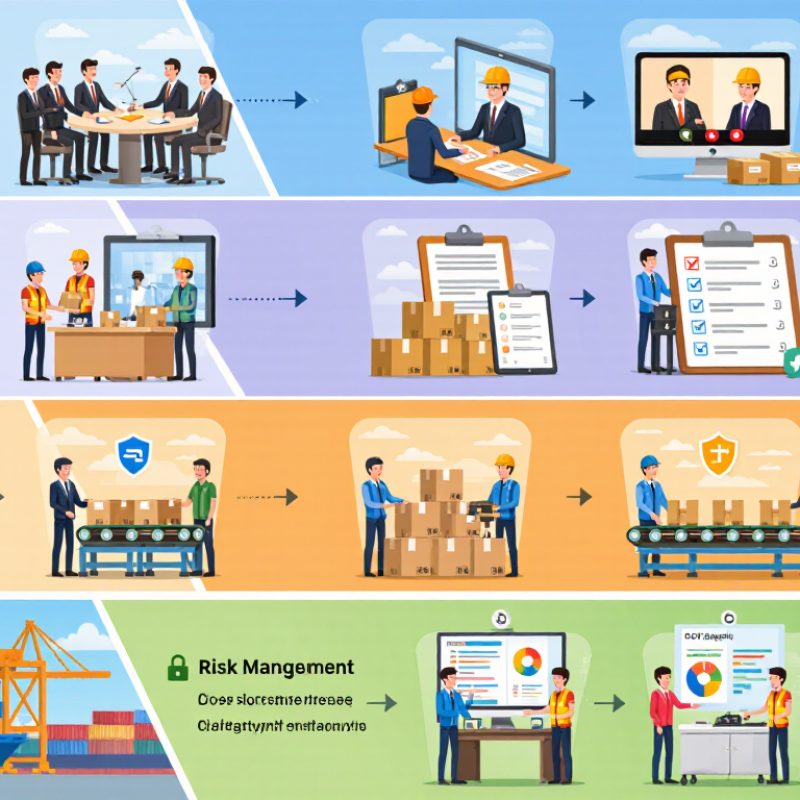
A one-stop sourcing service in China coordinates several purchasing tasks through one point of contact. Depending on the provider, this may include finding suppliers, requesting quotations, arranging samples, checking production, and organizing shipping. Instead of managing separate conversations, a buyer can track these steps with one team. The actual scope varies, so ask what is included before agreeing to a service.
For example, a buyer sourcing ceramic mugs might receive quotes from several factories, compare sample finishes, and approve a production sample before a larger order begins. During production, the service provider may arrange inspections and share dated photos or written reports. Clear records help buyers compare what was promised with what was made. That matters. A quotation alone does not confirm product quality, and an inspection only covers the items and criteria agreed in advance.
The phrase “one-stop” can sound more complete than the service really is. Some providers coordinate logistics but do not control factory schedules; others may charge separately for sampling, inspections, or storage. Ask who verifies supplier details, how defects are reported, and what happens when a sample differs from the finished goods. I have seen even a tidy process leave gaps when expectations were vague. A written product specification, approval process, and fee breakdown can make those gaps easier to spot.
Which Services Do China Sourcing Providers Typically Offer?
One-stop sourcing services in China usually cover the steps between a product idea and a shipment. Providers may identify factories, compare quotations, request samples, and help negotiate order terms. Supplier checks can include business records, production capacity, and references, but the depth of each check varies. Ask what evidence you will receive. A spreadsheet alone may not reveal much.
After an order is placed, services can include factory visits, production updates, quality inspections, and shipment coordination. Inspectors may check dimensions, colors, packaging, and sample units against agreed specifications. Some providers also consolidate goods from several suppliers and arrange freight documents. Details matter. A missed packaging requirement can delay delivery, even when the product itself passes inspection. No provider handles every task equally well, so define responsibilities before paying for a package.
Tips: Share clear drawings, target quantities, and acceptable tolerances before requesting quotes. Ask for a sample inspection report and confirm who pays for rework or a second inspection. Keep approvals in writing. Providers can reduce communication friction, but they cannot remove every sourcing risk. That takes time. A useful question: what happens when an inspection finds a defect?
What Are the Top 10 One Stop Sourcing Services in China? — Which Services Do China Sourcing Providers Typically Offer?
A one-stop sourcing provider may coordinate several stages of procurement, from supplier search to delivery. The exact scope varies by provider, product, destination, and service agreement.
| No. | Service | Typical Scope | Common Deliverables | When It Is Useful |
|---|---|---|---|---|
| 1 | Supplier Search and Shortlisting | Identifying potential manufacturers or trading companies based on product specifications, target price, order quantity, and production requirements. | A shortlist of potential suppliers with available business and product information. | When a buyer needs to find potential sources for a new product or category. |
| 2 | Supplier Screening and Due Diligence | Reviewing business documents, production capabilities, relevant experience, and other available information; factory visits may be arranged where appropriate. | Supplier profiles, screening findings, and identified questions or risks for follow-up. | Before placing an order with a new supplier or committing to a significant purchase. |
| 3 | Request for Quotation and Price Negotiation | Collecting and comparing quotations, clarifying minimum order quantities, tooling charges, payment terms, lead times, and other commercial conditions. | A quotation comparison and a record of agreed commercial terms. | When comparing offers or negotiating the terms of a purchase. |
| 4 | Product Development and Customization Coordination | Communicating product specifications, materials, dimensions, artwork, packaging requirements, and revision feedback between the buyer and supplier. | Confirmed specifications, revision records, and development samples where applicable. | For private-label, customized, or newly developed products. |
| 5 | Sample Coordination | Arranging product samples, checking them against the requested specifications, and coordinating feedback and revisions. | Sample status updates and documented feedback for the supplier. | Before approving production or comparing product quality between suppliers. |
| 6 | Purchase Order and Production Follow-Up | Coordinating purchase order details, production milestones, supplier updates, and changes that may affect schedule or specifications. | Order records, progress updates, and notice of reported production delays or changes. | When buyers need local communication and visibility during production. |
| 7 | Quality Inspection Coordination | Arranging checks such as pre-production, during-production, or pre-shipment inspections, using agreed specifications and inspection criteria. | Inspection findings, photographs where available, and records of identified defects or non-conformities. | To assess product conformity at agreed stages before shipment. |
| 8 | Packaging, Labeling, and Compliance Coordination | Communicating packaging and labeling requirements and coordinating available product documentation or third-party testing. Import requirements depend on the destination market and product. | Packaging and label checks against buyer instructions, plus available compliance documents or test reports. | When a product must meet specific packaging, labeling, or market-entry requirements. |
| 9 | Shipping, Freight, and Export Coordination | Coordinating shipment booking, transport options, shipping documents, and communication with logistics providers. Customs responsibilities depend on the agreed shipping terms and parties involved. | Shipment status information and copies of available shipping documents. | When buyers need help arranging transport from the supplier to a destination. |
| 10 | Warehousing, Consolidation, and Order Coordination | Where available, receiving goods from multiple suppliers, arranging temporary storage, combining shipments, and coordinating dispatch. | Warehouse or consolidation records and a coordinated shipment plan. | When purchases from multiple suppliers can be combined or dispatch timing needs coordination. |
How Are One-Stop Sourcing Services Evaluated?
A useful evaluation looks beyond a low quotation. Check whether the service can identify suitable factories, verify supplier details, explain costs, inspect production, and coordinate shipping. The 2023 World Bank Logistics Performance Index ranked China 19th among 139 economies, using six measures, including customs, logistics competence, tracking, and timeliness. This offers useful context, but it rates national logistics systems, not individual sourcing providers. Keep that distinction clear.
Ask for a sample inspection report and a written breakdown of product, sampling, transport, and service fees. Compare quotations using the same product specifications; otherwise, a cheaper offer may hide thinner materials or different packaging. For quality control, confirm inspection timing, defect criteria, photo records, and how issues are handled before shipment. Also test communication with a small request. A fast reply is helpful, but it does not prove factory access or careful follow-through. Some checks still depend on judgment.
Tips: Score providers on supplier verification, cost transparency, quality checks, communication, and shipping support. Request evidence, not promises. Record problems too; a scorecard can miss the feel of a real production delay.
What Are the Top 10 One-Stop Sourcing Services in China? How Are They Evaluated?
Suggested evaluation weights for comparing sourcing providers
Supplier verification and quality control carry the greatest suggested weight, followed by pricing transparency and logistics support. These percentages are an illustrative evaluation framework, not the results of a market survey or a ranking of specific companies.
What Are the Top 10 One-Stop Sourcing Services in China?
A one-stop sourcing service in China can cover ten practical tasks: supplier discovery, factory verification, quotation comparison, negotiation, sample coordination, product customization, quality inspection, packaging checks, order consolidation, and freight coordination. Together, these services help buyers manage a product from a factory floor to a loading dock. For example, a sourcing team might compare three quotes, inspect a sample’s stitching, and check carton labels before approving production. Small details matter. A low unit price can lose its appeal when rework or split shipments add costs.
China’s General Administration of Customs reported that the country’s goods trade reached 43.85 trillion yuan in 2024, up 5% year over year; exports rose 7.1%. That scale offers buyers broad supplier choices, but not automatic quality. The World Trade Organization’s April 2024 Global Trade Outlook projected 2.7% growth in global merchandise trade volume for 2024, highlighting the value of reliable coordination across orders and shipping. Buyers should ask for dated inspection records, clear defect criteria, and written freight terms. A single contact is convenient, but it can also hide weak checks. I would still verify critical samples independently. Even careful sourcing has gaps.
How Can Businesses Choose a Suitable Sourcing Partner?
What Are the Top 10 One Stop Sourcing Services in China?
How Can Businesses Choose a Suitable Sourcing Partner?
A suitable sourcing partner should fit your product, order size, and communication needs—not just offer a long service list. Check whether the team can explain supplier screening, sample checks, production follow-up, and shipping coordination in clear terms. Ask who handles each step. Vague answers can signal gaps.
Compare two or three providers using the same product brief. Request a sample, a written cost breakdown, and a realistic production timeline. Look for itemized charges, clear inspection criteria, and regular progress updates. A partner should flag problems early, such as a fabric color mismatch or delayed packaging, rather than promise that everything will be perfect. No checklist catches everything. Review references where available, and verify claims independently. I would also revisit your own requirements; unclear specifications can create avoidable disputes.