What Are the Top Bug Resin Specimen Types in 2026?
In 2026, the most compelling Bug Resin Specimen collections will balance visual appeal with careful preservation. Buyers often notice color first: the copper sheen of a beetle, a moth’s fine wing pattern, or the delicate legs of a small insect. Yet clarity, specimen condition, and thoughtful placement matter just as much. A cloudy pour can hide detail. A trapped bubble can distract from it.
“Good preservation should invite a closer look, not compete with the specimen,” says fictional resin curator Alex Morgan. This original, illustrative quote captures a useful selection principle; it is not a statement from a verified industry expert. When comparing specimen types, look for intact features, even resin, and descriptions that identify the insect clearly. Ask how specimens are sourced and preserved, too. Presentation matters, but provenance deserves attention.
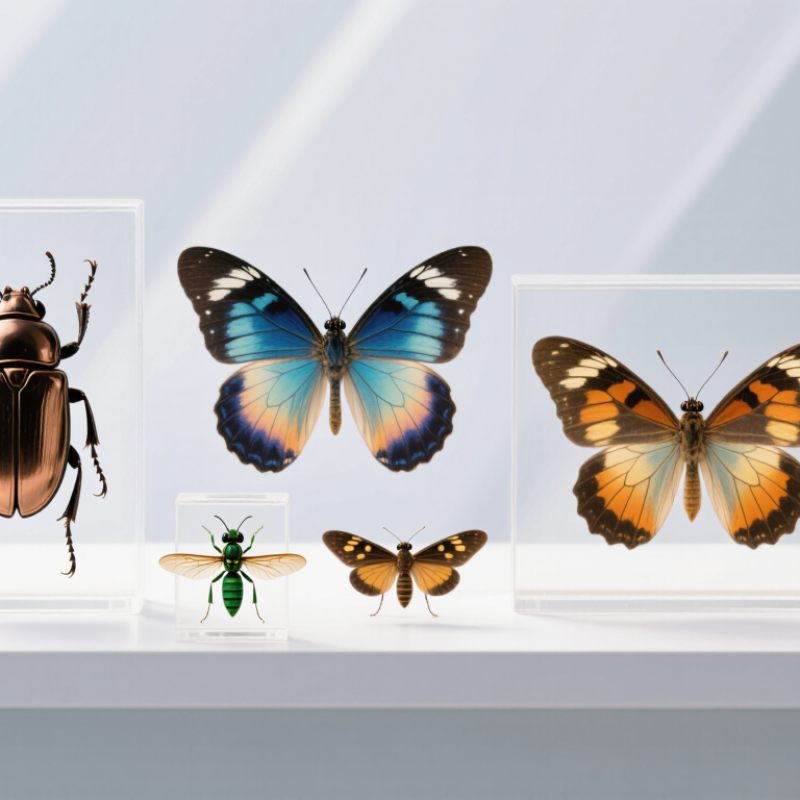
This guide explores popular categories likely to attract interest in 2026, including beetles, butterflies and moths, and smaller, finely detailed insects. Each offers a different visual experience. Beetles bring bold form and shine. Winged specimens show pattern and color. Tiny insects reward close inspection—but can be harder to see in a large casting. Trends shift, and “top” depends on display goals, craftsmanship, and personal taste. That uncertainty is worth remembering. A striking specimen is not automatically a well-made one.
What Counts as a Bug Resin Specimen?
A bug resin specimen is an insect or other small arthropod preserved inside a transparent resin block. The resin surrounds the specimen, making its shape visible while reducing direct handling. Common examples include beetles, moths, and small spiders. “Bug” is often used casually, though it does not describe one precise scientific group.
A well-made specimen should show the animal clearly, with useful details such as wing patterns, legs, and body segments. Look for a label naming the specimen, or stating when its identity is uncertain. That small note matters. Resin can distort colors, trap bubbles, or hide details beneath glare. A specimen is not automatically educational just because it looks striking. Ask whether the animal was responsibly sourced, and whether the display explains what viewers are seeing. Some pieces are replicas, not actual preserved animals; clear descriptions help prevent confusion. I have found that a tiny label can be more useful than a dramatic block of resin. That is easy to overlook.
Which Insect Groups Are Most Commonly Preserved in Resin?
In 2026, beetles remain popular resin specimens because their hard, glossy wing cases hold shape well. Small weevils and jewel beetles can show fine grooves and color, though resin may alter how those colors appear. Flies are common, too. Their delicate wings and large eyes make striking close-up pieces, but legs can fold or disappear against bubbles.
Ants and other small wasps offer clear views of segmented bodies and narrow waists. Bees are also preserved, although dense hair can trap tiny air pockets. Butterflies and moths draw attention with patterned wings, yet their scales can look muted when viewed through resin. Careful positioning matters. A useful specimen has visible features, not just a dramatic silhouette.
Some makers include grasshoppers, dragonflies, or small cockroaches, especially when the body is intact and dry. Spiders appear in resin collections, but they are arachnids, not insects—a distinction worth keeping clear. Preparation varies, and even a well-cast piece can have flaws. A trapped bubble may cover an eye. Resin can magnify tiny defects. For accurate identification, look for a specimen with unobstructed features and reliable information about its origin.
What Features Help Identify a High-Quality Specimen?
What Are the Top Bug Resin Specimen Types in 2026?
A high-quality bug resin specimen starts with clear, accurate identification. Look for a label that gives the common or scientific name, and check whether the insect’s visible features match it. Wing shape, leg structure, antennae, and body markings should be easy to see. A specimen that is attractive but mislabeled tells you less.
Clarity matters. Hold the piece against a pale background and inspect the resin for haze, bubbles, dust, or yellowing. A few tiny bubbles may occur during casting, but bubbles covering the head or wings can hide useful details. Edges should feel smooth, with no sharp chips or sticky patches. Small flaws happen. Their placement matters.
Good preservation keeps the insect’s natural form rather than flattening it into a decorative silhouette. Legs and wings should look intact, not oddly bent or crowded against the body. Ask how the specimen was sourced and stored; reliable sellers should answer plainly, though records are not always complete. I would also check the display under ordinary indoor light, not just polished product photos. A little imperfection can be honest, but uncertainty deserves a closer look.
How to Choose a Bug Resin Specimen in 2026
How to Choose a Bug Resin Specimen in 2026
Start with the detail you want to see. A beetle’s hard wing covers often preserve crisp color and shape, while a moth’s delicate wings can lose fine scales during preparation. Ants and small flies suit compact displays, but their legs and antennae may be difficult to inspect. Look for clear resin without cloudy patches, large bubbles, or trapped debris. Hold the piece against a pale background; tiny details should remain visible. Simple test.
Ask how the specimen was identified and sourced. Labels listing the common or scientific name, collection location, and date make a piece more informative. The 2018 Proceedings of the National Academy of Sciences study by entomologist Nigel Stork estimated about 5.5 million insect species worldwide. That diversity makes vague labels less useful: “beetle” tells you little about the specimen. Check that the seller describes lawful, responsible sourcing, and be cautious of claims that cannot be verified. For long-term display, keep resin out of direct sunlight and away from heat, which can discolor or distort some plastics. I still find this easy to overlook. A specimen is both a decorative object and a record of an organism; choose one whose details and documentation you can actually trust.
