How to Use Desizing Enzyme for Effective Fabric Preparation?
The textile industry focuses on quality and efficiency. A crucial step in fabric preparation is the use of desizing enzyme. This enzyme targets and removes unwanted starches from fabrics. As a result, it improves the overall performance of the material.
desizing enzyme application is not as straightforward as it seems. Various factors impact its effectiveness. The type of fabric, enzyme concentration, and application time all play significant roles. For instance, overusing the enzyme can damage delicate fibers. It’s essential to find a balance.
Experimentation may be necessary to perfect the process. Each fabric type may react differently. Understanding these nuances leads to better results. When used correctly, desizing enzyme enhances the quality of textile production. Yet, careful attention must be paid to avoid potential pitfalls.
Understanding Desizing Enzymes and Their Role in Fabric Preparation
Desizing enzymes play a vital role in fabric preparation. These enzymes effectively remove size materials from woven fabrics, enhancing the quality of the final product. According to a 2023 report by the Textile Research Institute, using desizing enzymes can increase the efficiency of fabric processing by up to 30%. This improvement significantly reduces water and energy consumption during manufacturing.
The application of desizing enzymes can lead to smoother, cleaner fabrics. However, not all enzymes yield the same results. Factors like temperature, pH, and enzyme concentration affect their performance. A study noted that improper application might lead to fabric damage, which is a crucial concern for manufacturers. Achieving a perfect balance requires substantial testing and adjustment, and this trial-and-error process can be costly.
Enzymes like amylase and cellulase are widely used in the desizing process. While they are effective, the use of these enzymes does not come without challenges. Overexposure can weaken the fabric. Some manufacturers find themselves re-evaluating their enzyme selections after noticing inconsistent quality. Balancing efficiency and fabric integrity remains a pressing issue in the industry.
Types of Desizing Enzymes Used in the Textile Industry
Desizing enzymes are crucial in the textile industry. They help prepare fabrics for dyeing and finishing. Different types of desizing enzymes are used, each with unique characteristics. Typically, enzymes such as amylases, cellulases, and proteases are employed. They break down starches and other substances that can hinder dye absorption.
Amylases are the most common desizing agents. They efficiently remove starch sizing from fabrics, improving dye interactions. According to industry reports, the use of amylases can enhance dye uptake by up to 30%. Cellulases, on the other hand, are effective for cotton fabrics. These enzymes not only assist in desizing but also improve the fabric's softness. Their multipurpose functionality makes them a staple in many processing plants.
Despite their benefits, enzyme usage isn’t without challenges. The effectiveness can vary based on temperature and pH. If conditions are not optimal, the results may be subpar. Some producers have noted inconsistent performance, leading to fabric quality issues. While enzymes generally offer considerable advantages, careful monitoring and adjustments are essential for achieving the best results. Evaluating enzyme performance regularly can help avoid unexpected setbacks in production efficiency.
Step-by-Step Process of Applying Desizing Enzymes
Desizing enzymes are vital for preparing fabrics. They remove starch and other sizing agents, enhancing fabric texture. This process leads to better dye absorption and improved quality.
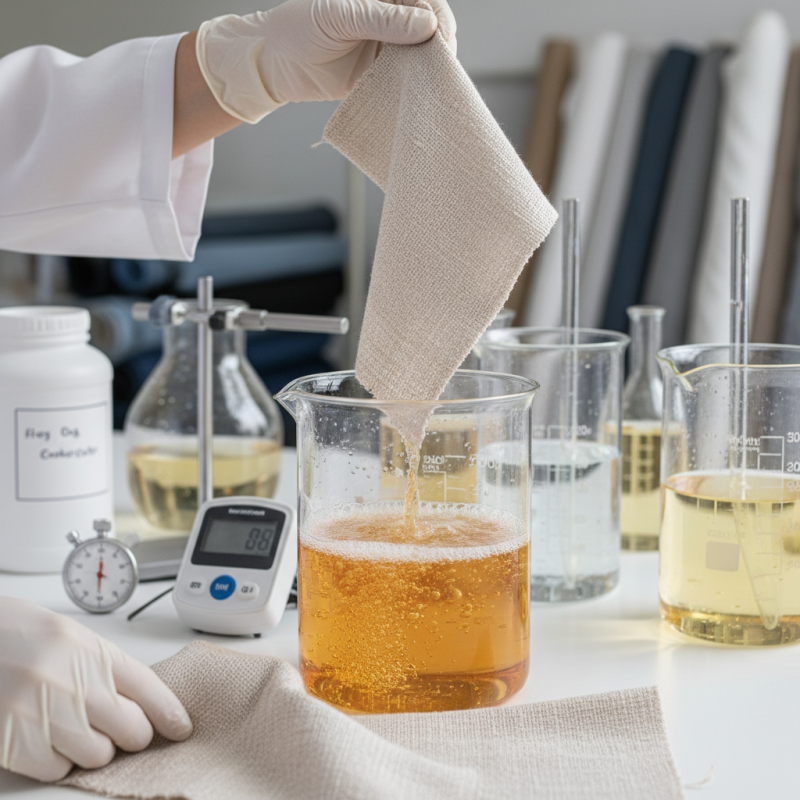
Start by selecting the right desizing enzyme. Different fabrics require specific enzymes for effective results. Read up on compatibility. Prepare a solution with the enzyme and warm water for optimum performance. Ensure the temperature is suitable. Temperatures that are too high can damage the fabric.
Soak the fabric in this solution for the recommended time. Monitor closely. Over-soaking can weaken the fabric. Rinse thoroughly after soaking. Any residue can affect dyeing. Dry the fabric in a controlled environment. Air-drying might introduce dust and other contaminants. The process has its challenges, and it might require adjustments based on the fabric type. Keep experimenting to find the best approach.
How to Use Desizing Enzyme for Effective Fabric Preparation? - Step-by-Step Process of Applying Desizing Enzymes
| Step | Description | Recommended Enzyme Type | Temperature (°C) | pH Level | Application Time (minutes) |
| 1 | Prepare the fabric for desizing by washing to remove any surface dirt. | N/A | N/A | N/A | 30 |
| 2 | Select the appropriate desizing enzyme based on the fabric type. | Amylase | 60 | 6.0 - 7.0 | 15 |
| 3 | Dilute the enzyme in warm water as per the manufacturer instructions. | N/A | N/A | N/A | 5 |
| 4 | Immerse the fabric in the enzyme solution and agitate gently. | N/A | 60 | 6.0 - 7.0 | 30 |
| 5 | Rinse the fabric thoroughly to remove any residual enzyme. | N/A | N/A | N/A | 10 |
Best Practices for Effective Fabric Treatment with Enzymes
Using desizing enzymes for fabric preparation can transform the textile treatment process. Enzymes break down the size applied during weaving, making fabrics softer and easier to dye. It’s essential to select the right enzyme based on the fabric type. Different enzymes target specific sizing agents. For cotton, a specific cellulase is effective, while for synthetic fibers, different enzymes work better.
Temperature and pH levels are critical factors that influence enzyme performance. Higher temperatures can enhance reaction rates, but too much heat can denature enzymes. A pH level around neutral often yields the best results. Conducting small tests can help determine optimal conditions. Monitoring time is also vital. Over-treating can lead to fabric damage or texture changes.
Effective treatment requires careful observation and adjustment. If results are inconsistent, it’s worth re-evaluating the enzyme concentration. Sometimes, results may not meet expectations and need further testing. Different batches or fabric sources may react differently. It's always a learning process in the quest for perfect fabric preparation.
Desizing Enzyme Effectiveness in Fabric Preparation
Common Challenges and Solutions in Desizing Enzyme Application
Desizing enzymes are essential for preparing fabrics by removing sizing agents. However, their application comes with challenges. One common issue is insufficient enzyme activity. This can occur if the temperature or pH level is not optimal. Monitoring conditions is crucial. For instance, too low a temperature may slow down reactions. Each fabric type also reacts differently. Knowing the right parameters is necessary to enhance enzyme effectiveness.
Another challenge is ensuring complete removal of the sizing agent. Incomplete desizing can lead to fabric defects. This is especially true for complex blends or heavily sized materials. To combat this, testing small fabric samples can provide insights. Regular inspections during the process help track progress. Additionally, adjusting enzyme concentrations might be necessary. An adequate amount ensures maximum coverage and effectiveness.
Finally, residual enzymes can sometimes affect dyeing processes. If not properly rinsed, they may lead to unexpected results. This is a vital aspect to consider. Performing rinse tests after desizing helps clarify this issue. Keeping a close watch on fabric behavior post-treatment will aid in refining the process. The journey of perfecting desizing enzyme applications is ongoing. Each step requires careful thought and adjustment.