How to Use Solar Containers for Sustainable Energy Solutions?
solar containers represent a groundbreaking solution in the pursuit of sustainable energy. These innovative structures harness solar power efficiently. By converting standard shipping containers into energy-producing units, solar containers can supply clean energy in various locations.
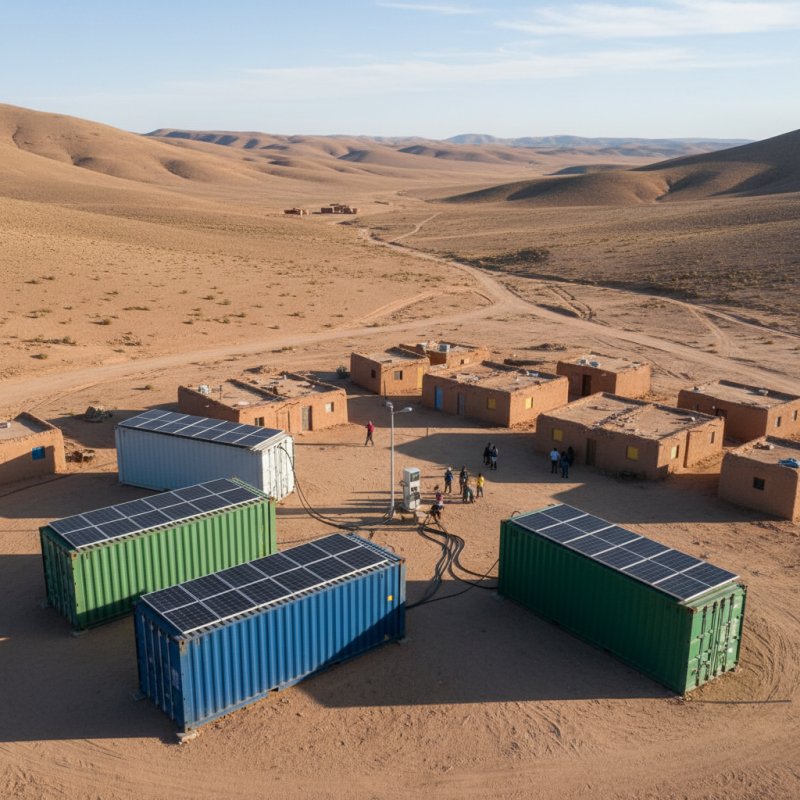
Imagine a community without reliable electricity access. A solar container could light homes and power essential services. These mobile units fit into remote areas. They can be quickly deployed to meet urgent energy needs. However, the implementation of solar containers isn't without challenges.
Not all solar containers meet every community's needs. Costs and maintenance are important considerations. Each location may require a different design or capacity. It's crucial to reflect on these complexities to ensure effective usage. Solar containers have great potential, but careful planning and adaptability are necessary for success.
Understanding Solar Containers and Their Benefits for Sustainability
Solar containers are innovative solutions for sustainable energy. They integrate solar panels into portable units. These units can generate electricity in various settings, from remote villages to urban environments. The ease of deployment is a key benefit. Just place them in sunlight, and they start working.
One significant advantage of solar containers is their flexibility. They can be used for multiple purposes. For instance, powering schools, clinics, or even small businesses becomes effortless. However, there are challenges to consider. Not every location receives ample sunlight year-round. This aspect requires careful planning and adjustment.
Moreover, the initial setup costs can be a hurdle. Many people may hesitate to invest in solar technology. Yet, the long-term savings on energy are worth it. People need to weigh the upfront costs against the potential benefits. Meanwhile, enhancing awareness about solar containers can foster a sustainable movement. As more individuals understand their advantages, adoption may increase, leading to a greener future.
Types of Solar Containers Available for Renewable Energy Use
Solar containers are innovative solutions for renewable energy. They provide portable power options that can be adapted to various needs. There are several types of solar containers available on the market, each designed for specific applications.
One popular type is the solar storage container. These units store energy captured from the sun. They are useful for remote locations. Some designs even allow for rapid deployment. However, they can be expensive. Many users also struggle with maintenance. Sizing issues can occur too.
Another variant is the mobile solar generator. This type is compact and easy to transport. It can provide power for events or emergency situations. However, the energy output may not always meet high demands. Some units can be bulky, complicating their use in tight spaces. Sometimes the technology can feel overwhelming, leaving users puzzled.
Steps to Implement Solar Containers for Energy Solutions
Solar containers are an innovative solution for sustainable energy. These portable systems can generate power in remote locations. To implement solar containers, start by assessing energy needs. Gather data on energy consumption patterns. An energy audit reveals how much power is necessary.
Next, choose the right size of the solar container. Industry reports indicate that a typical container can deliver about 5-10 kW of energy. This capacity can power various appliances. However, consider that energy efficiency varies based on location. Solar irradiation data can help determine potential output.
Installation follows the design phase. Ensure proper placement to optimize sunlight exposure. Regular maintenance is essential. Performance metrics should be tracked to understand any issues. Ravages of weather may cause unexpected wear and tear. Reflecting on these insights can improve future implementations. Embrace the learning process for better outcomes.
Challenges and Solutions in Using Solar Containers for Energy
Solar containers present a promising solution for sustainable energy, yet they also face several challenges. One major issue is the initial cost. According to the International Renewable Energy Agency (IRENA), the average cost of solar energy systems is declining, but the upfront investment can still be significant, especially for portable setups. This financial hurdle often deters potential users from adopting solar container technology.
Another challenge is the efficiency and reliability of solar panels. Recent reports indicate that solar panels operate optimally under direct sunlight. However, cloudy or rainy conditions can drastically reduce efficiency by 50% or more. This variability affects energy production, leading users to depend on alternative energy sources. Furthermore, the storage capacity of batteries integrated into solar containers can limit their effectiveness. Most containers use lithium-ion batteries, which may degrade after a few years. In fact, a study by the National Renewable Energy Laboratory suggests that battery performance can drop by 20% or more after just five years of use.
The logistical aspects can also be complicated. Transporting and setting up solar containers involves intricate planning. Unforeseen issues like regulatory compliance or site suitability can complicate deployment. Real-world case studies reveal that even with solid technology, project delays are common. These obstacles require careful consideration and innovative strategies to overcome in order to realize the full potential of solar containers.
How to Use Solar Containers for Sustainable Energy Solutions? - Challenges and Solutions in Using Solar Containers for Energy
| Aspect | Details | Challenges | Solutions |
| Energy Generation | Solar panels integrated into containers to harness solar energy. | Dependence on sunlight hours and weather conditions. | Incorporate battery storage to ensure energy availability. |
| Portability | Easy transportation and placement at various sites. | Potential damage during transport. | Use robust materials and proper safeguarding during transit. |
| Scalability | Easily scalable based on energy demand. | Possible regulatory hurdles for installation. | Engage with regulatory bodies early in the planning process. |
| Cost Efficiency | Lower operational costs compared to traditional power sources. | High initial investment for setup. | Explore funding options like grants and incentives. |
| Maintenance | Requires regular maintenance for optimal performance. | Lack of trained personnel for maintenance tasks. | Provide training programs and resources for local technicians. |
Future Prospects of Solar Containers in Sustainable Energy Applications
The future of solar containers in sustainable energy is bright yet complex. These portable units harness solar energy efficiently. A recent report from the International Renewable Energy Agency (IRENA) indicates that global solar capacity could reach 6,000 gigawatts by 2025. This growth creates opportunity for solar containers. They offer flexibility to deploy renewable energy solutions where needed.
Tips: When considering solar containers, think about location. Urban areas might benefit more from portable solutions. Installations in remote areas also show promise.
Despite the potential, challenges exist. Integration with existing infrastructure can be difficult. The initial cost can deter some users. However, as prices for solar technology decline, these barriers may lessen. Adopting solar containers could lead to localized energy resilience.
Understanding local regulations and grid requirements is vital. Some regions may face stricter rules. Researching these factors can save time and resources. Solar containers hold promise but require careful planning and consideration.
Future Prospects of Solar Containers in Sustainable Energy Applications
The above bar chart illustrates the potential adoption rates of solar containers across various application areas in sustainable energy solutions. Residential use shows the highest potential, followed by commercial sectors, while industrial, agricultural, and off-grid applications show lower adoption rates. This highlights the opportunities for expanding solar container technology in future energy applications.