Why Are Smart Solar Lights Worth Buying?
Smart Solar Lights promise more than automatic dusk-to-dawn illumination. They combine solar panels, rechargeable batteries, sensors, and controls that can adjust brightness or timing. That can mean a lit garden path without trenching cable, plus lower grid use. But performance depends on practical details. A panel shaded by a porch roof may collect too little sunlight, while a small battery can struggle after cloudy days.
For this draft, fictional solar-lighting engineer Maya Chen offers this design principle: “A smart solar light is only as dependable as its sunlight, battery, and sensor settings.” The idea is simple. Placement matters. So does a clear view of the sky. Smart features can help conserve stored energy, but they cannot replace adequate charging time or sound hardware. A motion sensor may also trigger too often near moving branches. Small details count.
This guide explores when Smart Solar Lights are worth buying, which features deserve attention, and where expectations should stay realistic. Check the panel rating, battery capacity, weather resistance, and replacement options before choosing a model. Compare real installation conditions, not just bright product photos. There is a trade-off. A lower purchase price may mean shorter runtime or fewer serviceable parts. Solar lighting is convenient, but it is not maintenance-free; panels collect dust, and batteries eventually lose capacity.
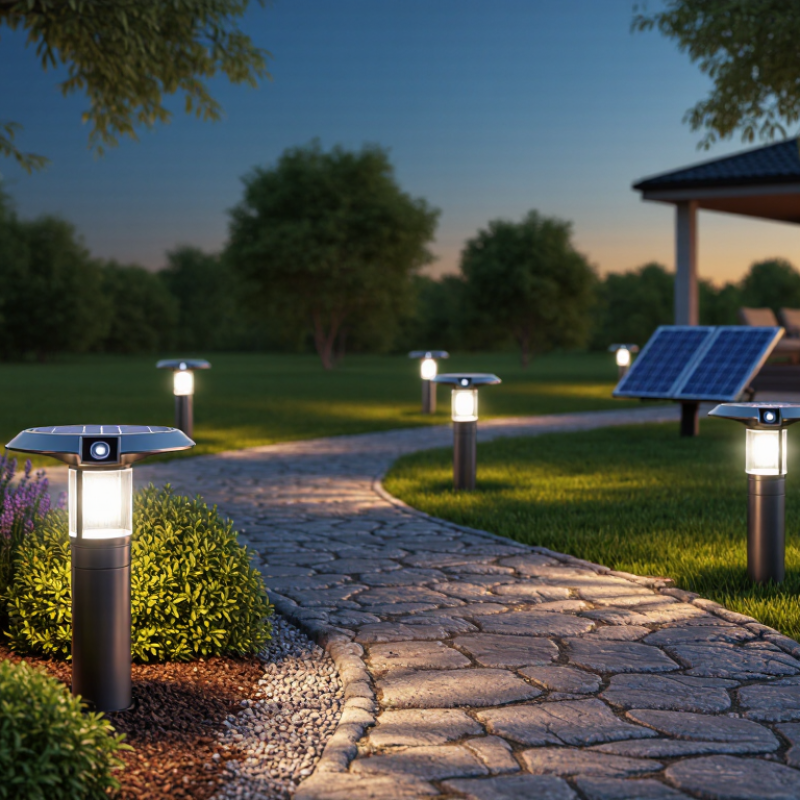
What Defines a Smart Solar Light: Solar Panel, Battery, LED, and Controls
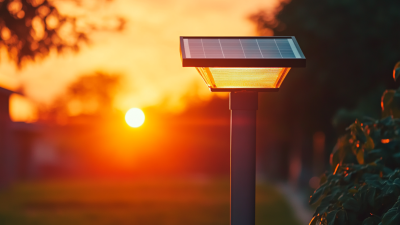
A smart solar light is a small energy system, not just an LED with a panel attached. During daylight, the panel converts sunlight into electricity and charges an internal battery. Panel size, angle, and shade all affect how much energy is collected. A light beneath a leafy tree may receive too little sun, even on a bright day. That matters.
The battery stores energy for evening use, so its capacity should match the light’s brightness and operating hours. Cold weather and repeated charging can reduce performance over time. LEDs use relatively little power, but brighter settings drain the battery faster. Motion-activated dimming can help stretch a charge; steady full brightness may not last until morning. Specs do not always reflect a cloudy week.
Controls make the system “smart.” Depending on the model, they may include a timer, motion sensor, brightness settings, or an app connection. These features are useful only when they work reliably outdoors and are simple to adjust. Check whether settings remain saved after the battery runs low, and whether the sensor covers the path you need lit. It is easy to overvalue an app and overlook a poorly placed panel. A practical choice balances sunlight, battery capacity, LED output, and controls for the actual location.
How Sensors, Dimming, and Storage Work Together After Sunset
Why Are Smart Solar Lights Worth Buying?
After sunset, a light sensor detects falling daylight and switches the fixture on. Motion sensors can then raise brightness when someone approaches. When the area is quiet, dimming uses less stored energy while keeping a soft pool of light near a path or doorway. The change should feel gradual, not like a sudden spotlight.
Tips: Place the panel where it receives several hours of direct sun. Keep it clear of leaves and check that nearby lamps do not shine onto its sensor. Small placement details matter.
A rechargeable battery stores daytime energy for evening use, but cloudy weather can reduce the available charge. Efficient LEDs and sensible dimming help lights last longer overnight, though performance varies with panel size, battery condition, temperature, and shade. One trade-off is that a dim setting may not suit every task; steps or gates may need stronger illumination. Smart controls are useful, but they cannot create energy the panel did not collect. Check the light after a few cloudy days, and adjust its position or settings if it fades too early. I would not assume every sensor reacts perfectly: wind-blown plants or passing animals can trigger some models.
LED Efficiency Benchmark: DOE Reports at Least 75% Less Energy Use vs. Incandescent
DOE reports that LED lighting uses at least 75% less energy than incandescent lighting. This benchmark makes LED efficiency a strong reason to consider smart solar lights, but it does not guarantee identical performance across fixtures. A solar light also depends on panel size, battery capacity, sunlight, and control settings. On a clear afternoon, a panel may recharge steadily. Under a porch roof or through several cloudy days, runtime can fall. Check the stated brightness and operating hours, not just the word “LED.”
Smart controls can stretch stored energy. A motion sensor may keep a path dim, then brighten it when someone approaches. A timer can prevent needless overnight operation. Still, settings are not magic: frequent triggers, cold weather, dirty panels, or aging batteries can reduce performance. I’d treat advertised runtime as an estimate, not a guarantee. Place the panel where it receives direct sun, then observe the light for a week before adjusting sensitivity. Lower brightness often means longer operation, which may suit a quiet garden path better.
Why Are Smart Solar Lights Worth Buying? - LED Efficiency Benchmark: DOE Reports at Least 75% Less Energy Use vs. Incandescent
Energy comparison for approximately 800 lumens of light. Energy figures per 1,000 operating hours are calculated from the listed wattages; actual performance varies by product and use.
| Lighting option |
Approx. input power |
Energy per 1,000 operating hours |
Energy reduction vs. incandescent |
What to know |
| Incandescent reference bulb |
About 60 W |
About 60 kWh |
Baseline |
A common reference point for an approximately 800-lumen bulb. |
| Standard LED bulb |
About 9–12 W |
About 9–12 kWh |
About 80–85%* |
The U.S. Department of Energy reports that LEDs use at least 75% less energy than incandescent lighting. |
| Smart LED bulb |
Typically in the LED range; varies by model |
Depends on wattage and operating time |
LED efficiency plus possible use-based savings |
Scheduling, dimming, and occupancy controls can reduce runtime or brightness; additional savings depend on how the controls are used. |
| Smart solar LED light |
Uses stored solar energy during operation |
No grid electricity during solar-powered operation |
Avoids operational grid electricity when charged by sunlight |
Nightly runtime depends on sunlight, panel and battery capacity, weather, settings, and light output. Grid use may occur if a model supports backup charging. |
*Calculated using a 60 W incandescent reference and a 9–12 W LED: (60 W − LED wattage) ÷ 60 W. DOE’s “at least 75%” figure is a general benchmark; product results vary.
Solar Cost Context: IRENA Reports PV Costs Fell 89% from 2010 to 2022
Why Are Smart Solar Lights Worth Buying?
IRENA’s Renewable Power Generation Costs in 2022 reports that the global weighted-average levelized cost of utility-scale solar electricity fell 89% between 2010 and 2022, from $0.445 to $0.049 per kilowatt-hour. That is a major shift. It helps explain why solar technology has become more practical, but it does not mean every solar light is automatically inexpensive or reliable. A garden light has different costs, including its panel, battery, sensor, and housing.
Smart controls can improve the value of that hardware. Motion sensing and dimming use less stored energy when nobody is nearby, which can help a light last longer through cloudy periods. Still, IRENA’s utility-scale figures are context, not a direct price forecast for small outdoor lights. Battery quality and replacement costs matter. So does winter sunlight. I would check whether the battery is replaceable, and whether the panel receives several hours of unobstructed daylight. Small details count.
Tips: Place the panel where leaves and eaves will not shade it. Test the motion range at night. Keep expectations modest; performance can vary with weather and installation. Some lights may need more attention than expected.
Why Are Smart Solar Lights Worth Buying?
Global solar photovoltaic electricity costs fell by 89% between 2010 and 2022.
The global weighted-average cost of electricity from utility-scale solar PV declined from $0.445 per kilowatt-hour in 2010 to $0.049 in 2022. Lower solar generation costs provide useful context for considering solar-powered lighting, while smart controls can help manage when lights are used. Source: IRENA, Renewable Power Generation Costs in 2022.
How to Assess Value: Compare Sunlight, Runtime, Weather Rating, and Warranty
Smart solar lights are worth buying when their real-world performance fits your yard, not just the product description.
Start by checking daily sunlight. A panel under a leafy tree may receive only a few bright hours, even on a clear day. Note how shadows move across the spot, especially in winter. More sunlight usually means a fuller charge, but local conditions can vary.
Compare the stated runtime with your needs and the brightness setting used to measure it. A light advertised for ten hours may run less time at maximum brightness or after several cloudy days. Look for adjustable modes, and consider whether a dimmer setting can keep a pathway visible until morning. Small detail, big difference. Runtime claims are useful, but they are not a guarantee for every garden.
Check the weather rating and warranty before deciding. An ingress-protection rating can indicate resistance to dust and water, but it does not mean a fixture can survive every storm or standing water. Mount lights where water drains away, and inspect seals and panels occasionally. I’d also read the warranty terms closely: battery coverage may differ from coverage for the housing or electronics. It is easy to focus on the upfront price and overlook replacement costs. That comparison deserves a little patience.