Top 10 Solar Wall Lights for Outdoor Security?

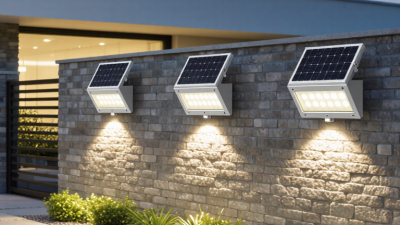
Choosing outdoor lighting is not just about finding the brightest fixture. Solar Wall Lights can make a dark entryway, side path, or garage wall easier to see without adding new wiring. Their usefulness depends on more than the advertised lumen count. A shaded panel may collect too little sunlight, while a motion sensor aimed at passing branches can trigger repeatedly. Small details matter.

This guide to the Top 10 Solar Wall Lights for Outdoor Security compares practical features, including brightness, motion detection, battery capacity, weather resistance, installation, and adjustability. It also considers where each design may work best, from a sheltered porch to an exposed garden wall. Check the manufacturer’s specifications, and remember that stated runtime and brightness can vary with sunlight, temperature, and use. A light that suits one home may disappoint at another. That is worth admitting.

Use the comparisons as a starting point, not a promise of complete security. Solar lighting can improve visibility, but it cannot replace sound locks, clear sightlines, or other appropriate safety measures. Before buying, consider the wall’s sun exposure, the area you want illuminated, and whether you prefer steady light or motion activation. A modest fixture in the right spot may serve you better than a powerful one installed in permanent shade.
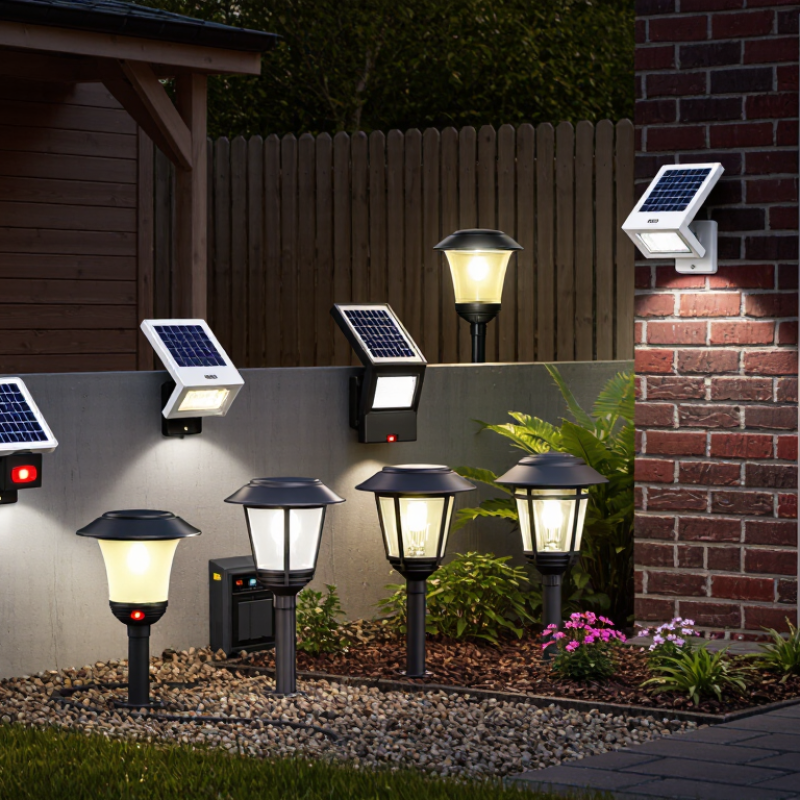
Top 10 Solar Wall Lights for Outdoor Security?

How Solar Wall Lights Improve Outdoor Security

Solar wall lights can improve outdoor security by making doors, side paths, and dark corners easier to see. A motion-activated light near a back entrance can reveal someone approaching and help residents notice movement before opening the door. It also makes steps, handles, and obstacles visible during late-night checks. Useful, but not a replacement for sturdy locks or a complete security plan.

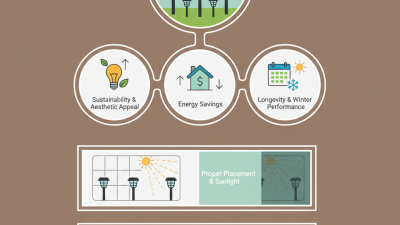
Placement and upkeep matter. Mount the light where its solar panel receives several hours of direct sunlight; shade, short winter days, and cloudy weather can reduce runtime. Aim the beam across an approach, not into a neighbor’s window. A bright patch by the gate may help, though glare can make details beyond it harder to see. Sensor coverage varies, so test the light from the path people actually use.

Tips: Walk toward the entrance from different angles to check the sensor. Wipe dust from the panel regularly and trim branches that cast shadows. If the light fades before dawn, try adjusting its position. A brighter fixture is not always the answer.

Key Features That Distinguish Solar Wall Lights

Top 10 Solar Wall Lights for Outdoor Security?
Key Features That Distinguish Solar Wall Lights

For outdoor security, compare more than brightness. Check the motion sensor’s stated range and detection angle, then position it to cover the gate or path rather than a busy street. Look for adjustable settings, a clear battery indicator, and a solar panel that can face the sun. A compact light may suit a doorway, but leave a dark corner? It may not help much.

Light output and weather resistance matter. The U.S. Department of Energy reports that LED bulbs use at least 75% less energy and can last up to 25 times longer than incandescent bulbs. Those figures compare bulb types, not complete solar fixtures, but they highlight why efficient LEDs are useful when stored energy is limited. Check the fixture’s published lumen output and IP rating; avoid judging brightness from product photos alone.

Tips: Clean the panel when dust or leaves collect, and test the sensor after installation. Aim the beam below eye level to reduce glare. Allow several sunny days before assessing runtime; shade and winter weather can weaken charging. Small detail, big difference. A motion light still cannot replace a well-lit entrance or a careful check of blind spots.

Ten Solar Wall Lights for Outdoor Security

Ten Solar Wall Lights for Outdoor Security

Choosing among ten solar wall light styles starts with the area you need to illuminate. Motion-sensor lights can brighten a gate when someone approaches, while dusk-to-dawn models provide steady light through the evening. Adjustable-head and wide-angle designs help cover corners and long paths. Downlights focus illumination beneath a doorway; up-and-down fixtures spread it across a wall. Integrated-panel lights are simple to mount, while separate-panel models can suit shaded walls if the panel gets better sun elsewhere. Warm-white and high-output options offer different balances of comfort and visibility. Check the sensor range, battery capacity, and stated runtime; performance can fall after cloudy days. Specs are not guarantees.

Tips: Place the panel where it receives direct sunlight for several hours, and keep it clear of leaves and dust. Aim sensors toward likely approach routes, not busy branches or roads. Test coverage after dark. A small adjustment can matter.

For outdoor security, even light is often more useful than a harsh beam with dark gaps. Mount fixtures high enough to reduce accidental knocks, but keep controls and panels accessible for cleaning. Use weather-rated products suited to your climate, and inspect seals and mounting hardware periodically. Solar lighting is helpful, but it cannot replace careful upkeep. In winter, shorter days may mean shorter illumination, and that is easy to overlook.

Top 10 Solar Wall Lights for Outdoor Security? - Ten Solar Wall Lights for Outdoor Security
Light Type Typical Output Solar Panel Battery Capacity Motion Detection Typical Night Operation Weather Rating Approx. Fixture Size Best Suited For
Compact entryway light 100–200 lm About 0.5–1 W About 1,200–2,000 mAh About 3–5 m; wide-angle PIR sensor Low-level light with brighter motion activation IP44 or higher About 12 × 8 × 5 cm Small doors, gates, and narrow paths
Standard single-head security light 200–400 lm About 1–2 W About 2,000–3,000 mAh About 5–8 m Motion-triggered bursts; some models offer dim standby IP44–IP65 About 15 × 10 × 6 cm Side doors and small patios
Dual-head adjustable light 400–700 lm About 1.5–3 W About 2,000–4,000 mAh About 6–10 m Motion-triggered high output; adjustable beam direction IP44–IP65 About 20 × 12 × 8 cm Driveway edges and wider entrances
Wide-panel wall light 300–600 lm About 2–4 W About 3,000–5,000 mAh About 5–8 m Often includes dim mode plus motion boost IP65 common About 22 × 14 × 7 cm Locations needing more daytime solar collection
Three-panel adjustable light 500–900 lm About 2–4 W About 3,000–5,000 mAh About 6–10 m Motion-activated; side panels can be aimed separately IP65 common About 25 × 12 × 9 cm Building corners and broad wall areas
Separate-panel security light 400–800 lm About 3–5 W, mounted separately About 3,000–6,000 mAh About 6–10 m Motion-triggered; panel can be placed in a sunnier spot IP65 common Light about 18 × 12 × 8 cm; panel varies Shaded walls with a nearby sunny roof or fence
High-output multi-head light 800–1,500 lm About 3–5 W About 4,000–8,000 mAh About 8–12 m Usually best suited to short motion-activated bursts IP65 common About 25 × 15 × 10 cm Large driveways and garage approaches
Wall light with dusk-to-dawn mode 150–400 lm About 1–3 W About 2,000–4,000 mAh About 4–8 m, if motion sensing is included Low continuous output; runtime depends on sunlight and setting IP44–IP65 About 16 × 11 × 7 cm Walkways where a steady guide light is useful
Compact decorative security light 80–250 lm About 0.5–1.5 W About 1,200–2,500 mAh About 3–6 m Low ambient light with brief motion activation IP44 or higher About 14 × 9 × 6 cm Porches and smaller garden entrances
Heavy-duty outdoor wall light 500–1,000 lm About 3–5 W About 4,000–8,000 mAh About 6–12 m Motion-triggered; larger battery may support longer operation IP65 common About 24 × 16 × 10 cm Exposed exterior walls and larger utility areas

These are representative specification ranges for common solar wall-light designs, not specifications for particular products. Actual brightness, sensor distance, charging time, and operating hours vary by model, weather, season, installation angle, and battery condition. IP ratings indicate tested protection against dust and water under defined conditions; they do not guarantee performance in every outdoor situation.

Comparing Brightness, Sensors, and Weather Resistance

Top 10 Solar Wall Lights for Outdoor Security?

When comparing solar wall lights, look beyond the brightest number on the box. A light rated around 100–300 lumens can suit a doorway or short path, while a wider yard may need more output. Higher brightness can drain a small battery faster, especially after cloudy days. The figures help, but they do not tell the whole story.

Check how the motion sensor behaves: its detection range, angle, and adjustable-on time matter as much as sensitivity. A sensor that triggers from passing traffic may waste stored energy. Weather resistance deserves equal attention. An IP65 rating indicates protection from dust and water jets, but it does not mean a light can be submerged. Mounting under an eave can still help it last longer.

Tips: Test the sensor after installation at night, then adjust its angle to cover the approach rather than the road. Keep the panel clear of leaves and shade. Solar performance varies with season and location; winter output may disappoint, even with careful placement. That trade-off is easy to overlook.

Selecting and Positioning Lights for Your Property

Choose solar wall lights by the task each area needs, not by the largest lumen number. At a side gate, a motion-activated light can reveal a person without leaving the yard brightly lit all night. Check the panel’s exposure, battery capacity, weather rating, and stated runtime; a shaded north-facing wall may charge poorly in winter. These details matter more than a dramatic product photo.

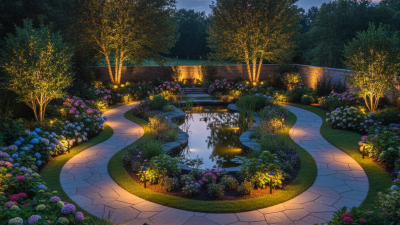
Position lights near entrances, garage doors, and narrow paths, aiming them down and away from bedroom windows and neighbors. Mounting them too high can leave faces in shadow; too low, and shrubs may block the beam. Walk the property after dark and check what the sensor actually detects. A useful reference is the 2008 systematic review by Welsh and Farrington, published in Justice Quarterly: across 13 evaluations, improved street lighting was associated with a 21% reduction in crime overall. That finding concerns public lighting, not solar wall lights, so it cannot promise the same result at home.

Avoid glare. A bright beam can make it harder to see beyond its edge, and a motion sensor may trigger repeatedly when branches move. DarkSky International recommends lighting only where needed, directing it downward, and using warm-color light. I’d test one fixture before installing several. It may still take a few nights to find the right angle.

Top 10 Solar Wall Lights for Outdoor Security?

Selecting and Positioning Lights for Your Property

A common planning rule of thumb for fixed solar panels is to set the tilt angle roughly equal to the site’s latitude for year-round production. Face panels toward the equator, avoid shade, and check the light’s installation instructions: these angles are approximate, not a guarantee of performance.