What Are the Top Low Voltage Garden Lights in 2026?
Choosing the best Low Voltage Garden Lights in 2026 means looking beyond brightness. A path fixture should reveal an uneven edge without shining into someone’s eyes. A small spotlight can bring out the texture of a stone wall or the shape of a mature tree. The right choice depends on the garden, the wiring plan, and how the space is used after dark. There is no single winner for every yard.
Landscape-lighting designer and author Jan Moyer’s published approach can be fairly paraphrased this way: “Reveal the garden’s character; do not overpower it.” It is a useful test when comparing fixtures. Check beam spread, glare control, weather resistance, materials, and compatibility with the low-voltage transformer. Also consider installation details: a well-made light can still disappoint when placed poorly or connected to an overloaded system.
Small details matter. Look for warm, comfortable light and sturdy housings that suit outdoor exposure. Review product specifications rather than relying on dramatic catalog photos. Those pictures can make every garden look effortless. Real yards are messier. Leaves grow, soil shifts, and a carefully aimed beam may need adjustment. This guide compares leading options by application, performance, durability, and value, while noting where product claims deserve a closer look. The goal is practical: lighting that feels inviting, works reliably, and leaves the garden recognizable after sunset.

How Low-Voltage Garden Lighting Works
Low-voltage garden lighting uses a transformer to reduce household mains power, commonly to 12 volts, before electricity reaches outdoor fixtures. The transformer plugs into a protected supply and connects to low-voltage cable. Each light then uses an LED driver, or built-in electronics, to power its LEDs. The lower output voltage reduces shock risk, but outdoor connections still need suitable weather protection.
The U.S. Department of Energy reports that residential LEDs use at least 75% less energy than incandescent lighting and can last up to 25 times longer. That figure describes LEDs broadly, not every garden fixture. For a 2026 installation, check each light’s wattage and add the total load before choosing a transformer. Leave capacity for future lights. Cable length and wire thickness matter, too: long runs can cause voltage drop, making distant fixtures look dimmer. A tidy layout can still perform poorly.
Connect lights in parallel, and test them after dark. Look for even brightness along the path, not only beside the transformer. One small detail often gets missed: wet soil, dense planting, and long cable routes can change installation needs. Follow the fixture and transformer instructions, and use outdoor-rated components. The numbers help, but the actual garden deserves a final check.
What Are the Top Low Voltage Garden Lights in 2026? — How Low-Voltage Garden Lighting Works
How to read this: Lower-voltage garden lighting commonly uses a 12 V supply. This chart estimates voltage at a fixture for a 2 A load on a copper cable circuit, accounting for the out-and-back wire length. Values are calculated using typical copper AWG resistance and Ohm’s law; actual results vary with load, cable, connections, and transformer output. Longer runs and thinner wire cause greater voltage drop, which can reduce light output.
Main Types of Low-Voltage Garden Lights in 2026
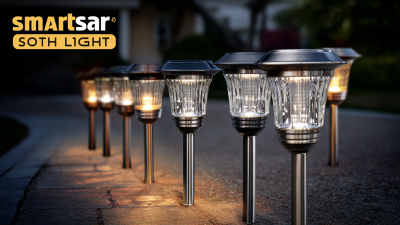
Low-voltage garden lights generally run through a transformer, often on a 12-volt system. Path lights mark walkways and soften dark edges without flooding the garden. Choose shielded tops to reduce glare, and space fixtures so their pools of light overlap slightly. Small details matter. Spotlights and uplights draw attention to trees, stone walls, or textured planting. Aim them carefully; a beam pointed toward a neighbor’s window feels harsh, even at low brightness. Well lights sit flush with the ground and suit steps or planting beds, though leaves and soil can cover them.
Deck and step lights help reveal changes in level near patios and stairs. Their low, sideways glow is usually more comfortable than a bright fixture at eye height. Bollard lights can define open paths, while flexible strip lighting works beneath benches or railings. Not every garden needs every type. Before buying, check each fixture’s outdoor rating, cable compatibility, and total system wattage against the transformer’s capacity. Longer cable runs may also cause voltage drop, so layout matters. A practical approach is to test a few lights after dusk, then adjust their positions. It is a little awkward, but better than discovering a beautiful fixture lights the wrong patch of ground.
What Are the Top Low Voltage Garden Lights in 2026? — Main Types of Low-Voltage Garden Lights
A practical comparison of common low-voltage landscape light types. Figures are typical examples; actual output and power use vary by fixture design.
| Light Type |
Typical System Voltage |
Typical LED Power |
Typical Light Output |
Best Suited For |
Installation Notes |
| Path Lights |
12V AC or DC |
2–5W per fixture |
About 100–400 lumens |
Walkways, garden paths, and low planting borders |
Space to create overlapping pools of light; shielded designs help reduce glare. |
| Spotlights |
12V AC or DC |
3–8W per fixture |
About 200–700 lumens |
Small trees, shrubs, garden features, and focal points |
Aim carefully to highlight the feature without shining into windows or neighboring properties. |
| Well Lights |
12V AC or DC |
3–8W per fixture |
About 200–700 lumens |
Uplighting trees, walls, and architectural details |
Set flush with the ground; select a fixture and lens suited to foot traffic and local drainage conditions. |
| Deck and Step Lights |
12V AC or DC |
0.5–3W per fixture |
About 20–200 lumens |
Stair risers, decks, retaining walls, and changes in level |
Use low-glare placement to make edges visible while keeping the light source out of direct view. |
| Wall-Wash Lights |
12V AC or DC |
4–12W per fixture |
About 300–1,000 lumens |
Broad, even illumination on garden walls, fences, and facades |
Fixture spacing and distance from the surface affect how evenly the wall is illuminated. |
| Bollard Lights |
12V AC or DC |
3–10W per fixture |
About 150–600 lumens |
Open paths, driveway edges, and larger landscape areas |
Choose an appropriate height and shielded light distribution to limit glare and light spill. |
Key Features for Comparing Low-Voltage Garden Lights
Compare garden lights by the scene they create, not wattage alone. Lumens indicate total light output, while beam angle shows whether a path gets a soft wash or a sharp pool. For steps, check for glare from normal standing height. A warm 2,700–3,000 K tone often sits comfortably beside foliage and timber. Still, color labels vary between products; view a sample outdoors before buying a full set.
Efficiency matters, but compare like with like. The U.S. Department of Energy’s Energy Saver guidance says LEDs use at least 75% less energy and can last up to 25 times longer than incandescent lighting. Those figures describe LED technology broadly, not every garden fixture. Read the product’s lumen output, rated life, and replaceability details. A long-life claim is less useful if the sealed unit fails and the whole fitting must be replaced.
Check the electrical details closely. Many garden systems use 12-volt power, but transformer capacity, cable length, and connector compatibility still affect performance. A light at the far end of a long run may appear dimmer; confirm the manufacturer’s voltage-drop guidance. For weather exposure, look for a clearly stated IP rating. IEC 60529 defines the IP classification system, but the right rating depends on placement and exposure. A tidy spec sheet can still mislead. Compare the actual installation conditions, not just the headline number.
Top Garden Light Options for Different Outdoor Needs
Low-voltage garden lights work best when each fixture serves a clear purpose. For paths, choose shielded lights that cast a soft pool across the ground without shining into people’s eyes. Space them to reveal bends and steps, not to create a runway. Subtle is usually safer and more comfortable. For flower beds, adjustable spotlights can pick out a tree trunk or textured leaves. Keep beams aimed away from windows, and check how the effect looks from indoors after dark.
Patios need even, gentle light rather than a row of bright points. Low-voltage string or wall lights can help, provided their fixtures and connections are rated for outdoor use. For darker corners, motion-sensing lights may add practical visibility; check that their coverage suits the space. Before buying, add up fixture wattages and choose a compatible transformer with spare capacity. Long cable runs can reduce brightness, so follow the system’s wiring guidance and use weather-resistant connectors. A detail that is easy to miss: more lights can make a garden feel flatter, not safer. I would test a small layout first. It may take a little adjusting.
Installation, Safety, and Maintenance Considerations
Low-voltage garden lights are only as dependable as their installation. Before choosing fixtures, sketch the path, beds, and transformer location. Keep cable runs practical; long runs can cause voltage drop and dim lights at the far end. Use outdoor-rated fixtures and cable, and follow the transformer maker’s load limits. For professional guidance, UL 1838 covers low-voltage landscape-lighting systems. The U.S. Department of Energy reports that LEDs use at least 75% less energy and last up to 25 times longer than incandescent lamps. That is useful context, though real service life depends on heat, moisture, and build quality.
Safety is not just about the 12-volt side. Install the transformer in a dry, ventilated place, and protect its mains connection as its instructions require. If wiring or protection is unclear, ask a qualified electrician. After rain, check for water inside fixtures, exposed cable, and loose connectors. Small faults can hide under mulch. I have seen neat-looking layouts become frustrating when plants grow over the beams, so leave access for adjustments.
Tips: Test the whole layout before burying cable. Aim beams away from bedroom windows and neighboring paths. Clean lenses with a soft cloth each season, and replace cracked seals promptly. Record transformer load and fixture locations; future repairs are easier with a simple map.